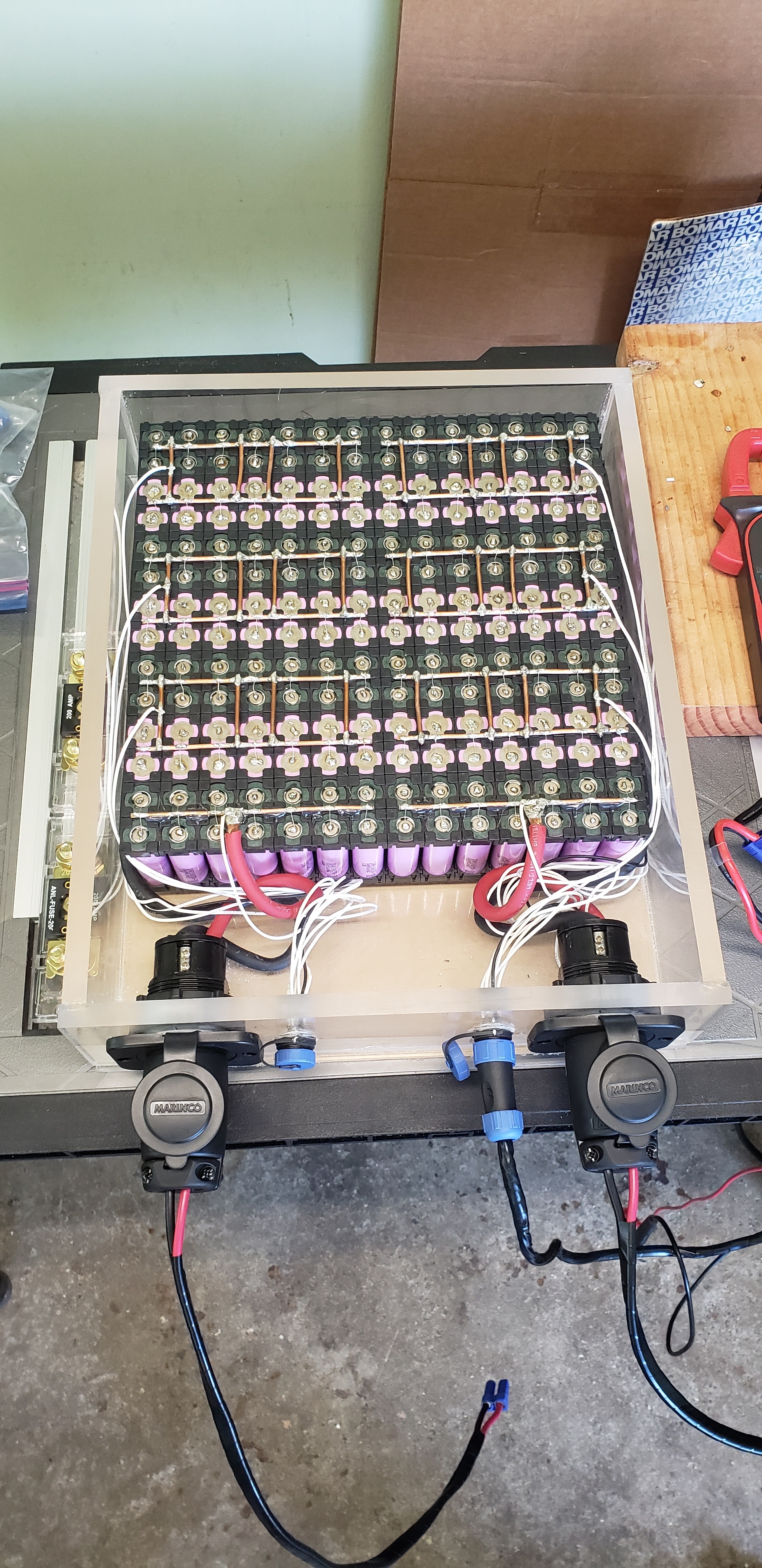
Tested fuse wire.
1/2" length of 30awg on both battery terminals.
Fuse wire does not exceed the temperature of the battery cell at 10amp discharge rate.
The fuse wire voltage drop remains below 3%.
Tested fuse wire.
1/2" length of 30awg on both battery terminals.
Fuse wire does not exceed the temperature of the battery cell at 10amp discharge rate.
The fuse wire voltage drop remains below 3%.
Thats quick! Looks good, thanks for sharing.
I do believe soldering is an option if you know whats you are doing. Check HBpowerwall, in the past he soldered 1000’s of cell this way, still in good operation.
Thx. I’ll let you know how it works. I did all the testing. The math says it should work good. Only one way to find out for sure! 
A very nice job but too fast to attract the most sceptical among us. I am convinced but would you have a normal speed version of the basic tasks ? With commented or sub-titled best practices it would be a must 
That’s a good idea.
I’ll try to do something like that on the other battery builds.


I have some progress to report. The battery is in the testing phase.
Still need to install fuses, waterproof the plugs on my version 1.0 homemade (temporary) enclosure, and do leak testing. But, almost there with the battery build.
I need to start focusing on building the board, mounting the motor, and getting a working ESC.
Hi, what connectors are the big ones?
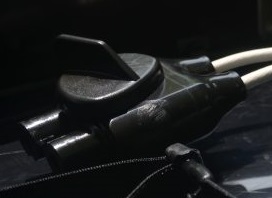
Hi. They are marine trolling motor plugs. Rated at 70amps. But, that is a true marine rating. so equal to +300 amps the way R/C connectors, and bullet connectors are rated. They are designed for saltwater use. So no worry about corrosion. They fit 6 gauge wire no problem.
I used these because they were easy to mount and make waterproof. They are heavy, but I removed the third connector, and plan to do some more mods to reduce weight.
Thank you for the hint!
With these MARINCO connectors, we are not that far from the LIFT ones. Would the LIFT ones be from a military source…  ?
?
Other candidates :
NOCO: Amazon.com
Journeyman: Amazon.com
I’m not sure I would pick either… The connectors fliteboard use (amphenol surelok) are widely available and cheaper.
The lift are most likely custom.
Thx for mentioning the amphenol surelok plug.
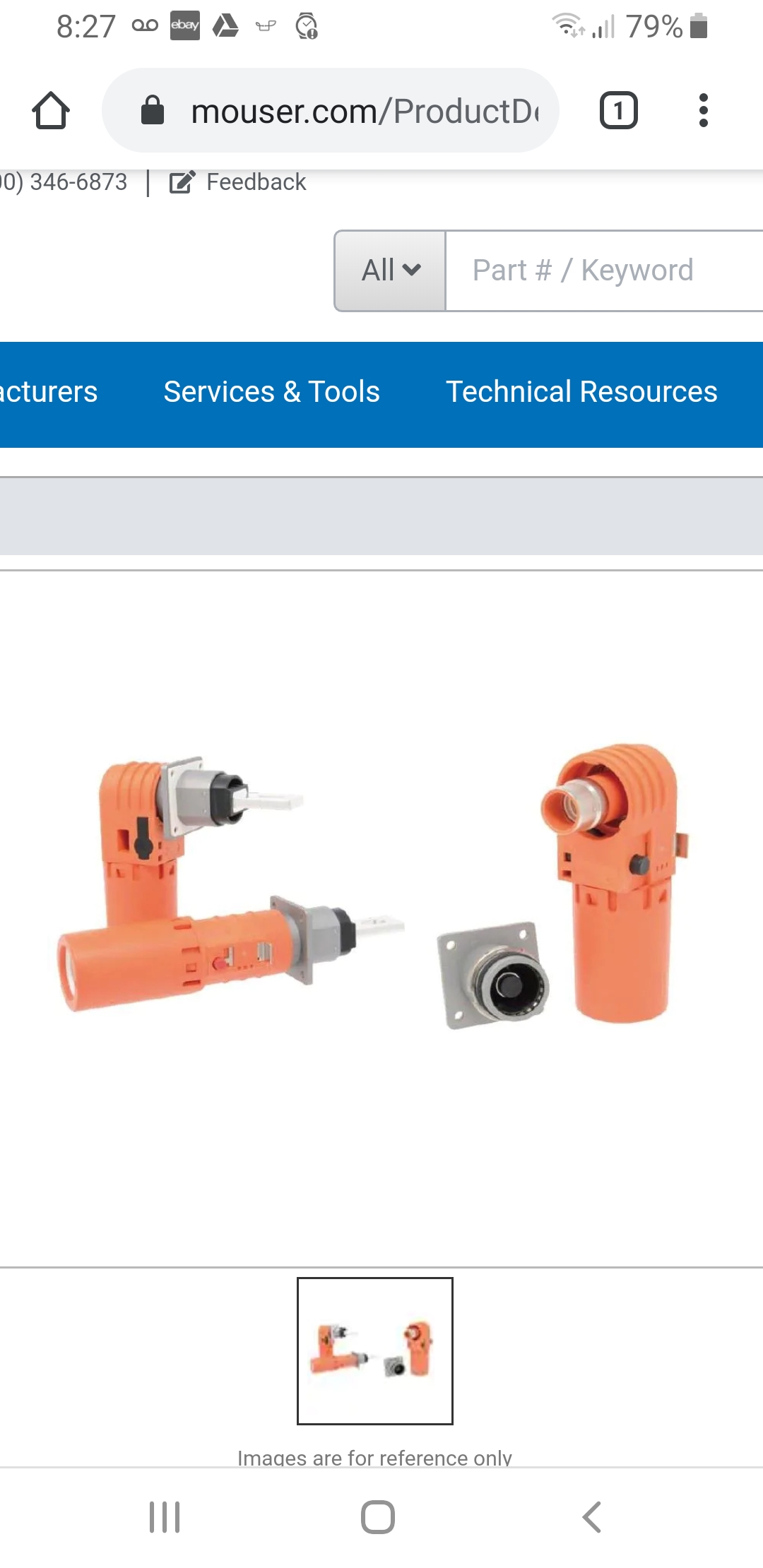
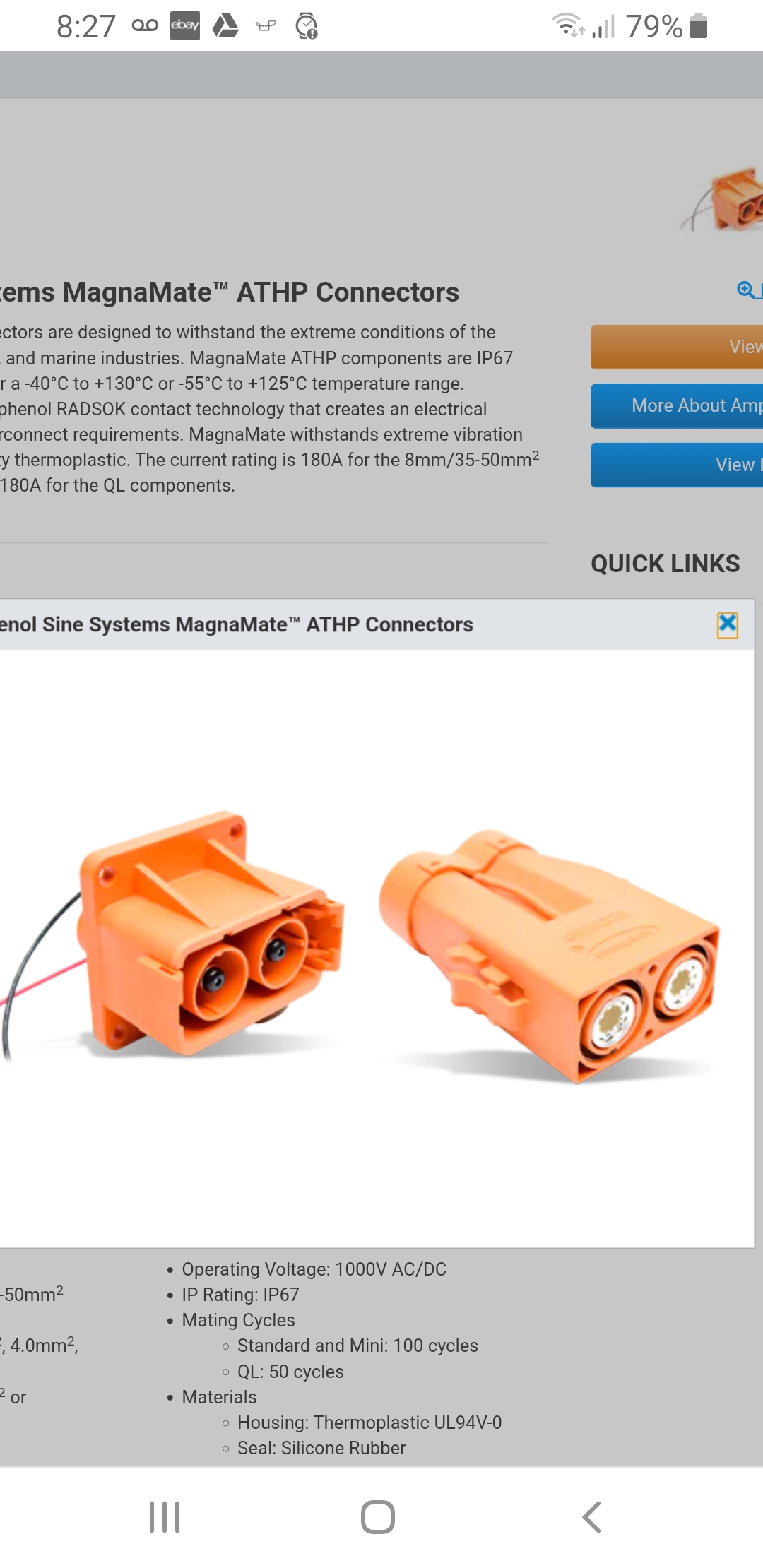
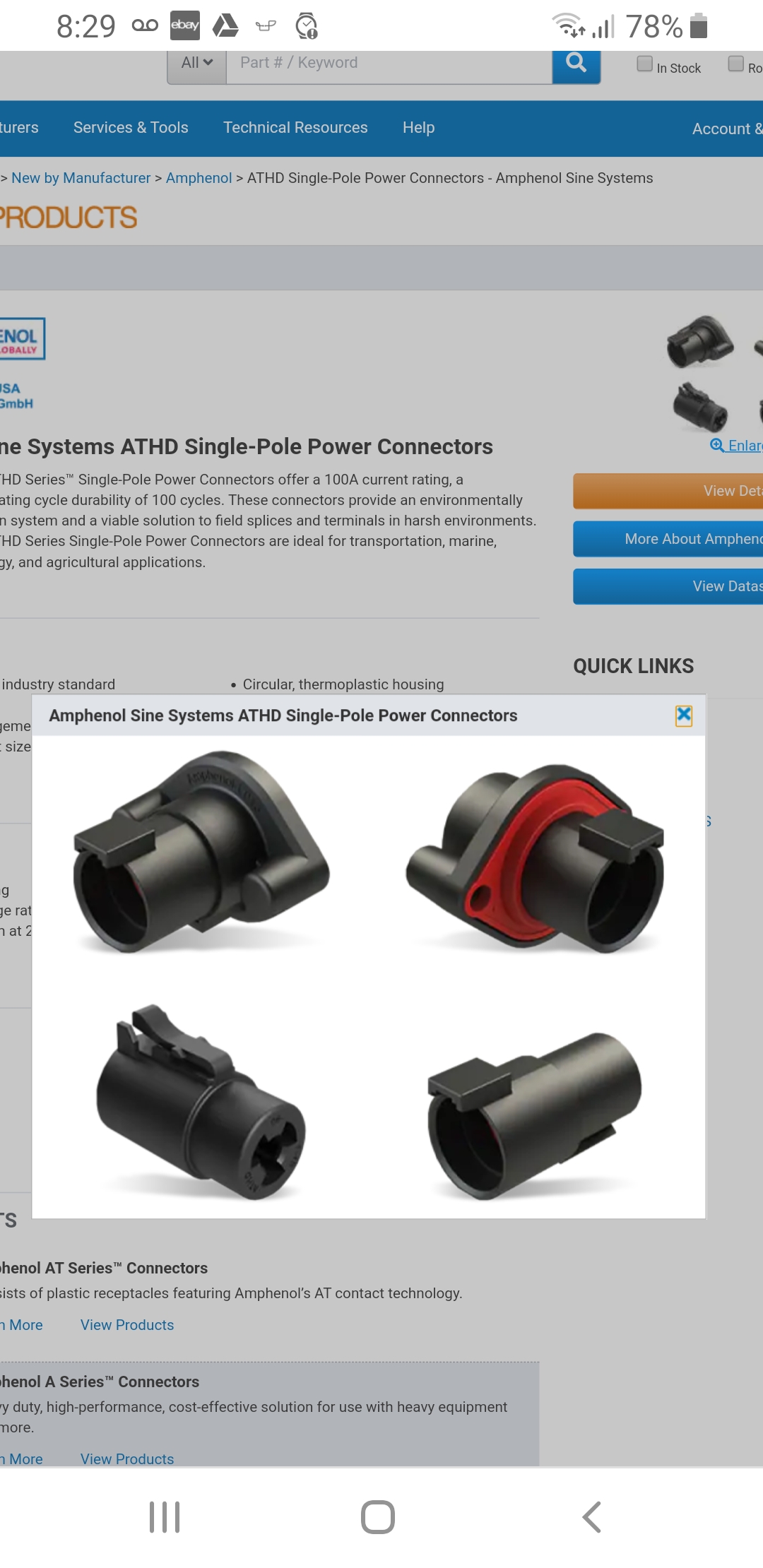
Mouser electronics has several promising looking plugs
Just ordered a set of slp-b50 series.  Its not cheap, but looks promising. We will see…
I am confused about sap-b50 series. Only male parts are listed in mouser can’t find the mating female connector.
Same with there position version:
https://www.mouser.com/ProductDetail/Amphenol-PCD-Shenzhen/HVPTB3N70?qs=sGAEpiMZZMtjzVbpKqo2YZ6cdsX%2Fq5C5MuulNrl33DScpUm6Q%252B7APw%3D%3D
Does these connector comes with female and male already?
All the ones I’ve seen come as pairs. I don’t see the sap-b50 you mentioned. Link?
It’s hard to beat 8mm bullet connectors. Light weight, handle amps pretty well, and if you 3D print a plug housing for them, you got yourself a cheap high amp plug.
I am new to the e-foil building world. I don’t even own a 3D printer yet…so I had to buy something. But one of the guys I’m building these boards with has a 3D printer. So, slowly we are getting up to speed.
In these links it is not clear if it is right angle, female or male
https://www.mouser.com/ProductDetail/Amphenol-Industrial/SLPIPB50BSB0?qs=sGAEpiMZZMtjzVbpKqo2YUZ0ZXmuGl4o49tzxicEpLwpnn9h8VKLmw%3D%3D
Download the datasheet of slp connectors. The partnumbers are the code of each version.
Typ the code into search field.