DIY efoil datalogger for VESC
I thought I would share my project on a DIY data logger for a VESC ESC.
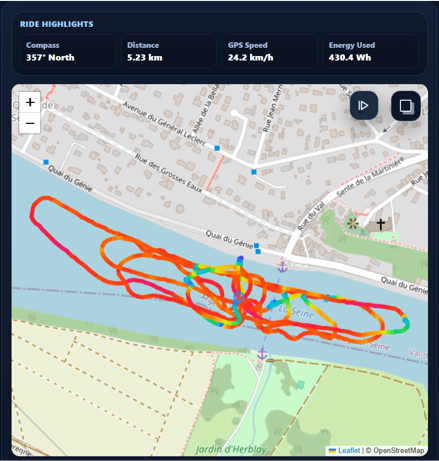
I previously did logging with a Flipsky Wireless Bluetooth Module connected to my phone. This did work and I could read out the data and a map plot on the Vesc tool software to analyse rides, speed efficiency etc.
However, I then managed to lose my brand-new Google Pixel when the neck cord on my waterproof pouch snapped and the phone dropped to the bottom of the river. I did manage to save ot after an hour of diving in 2m murky water and it survived as the waterproof pouch worked. Also, I lost the connection every time I fell off and the phone went in the water – requiring a manual restart of the logging.
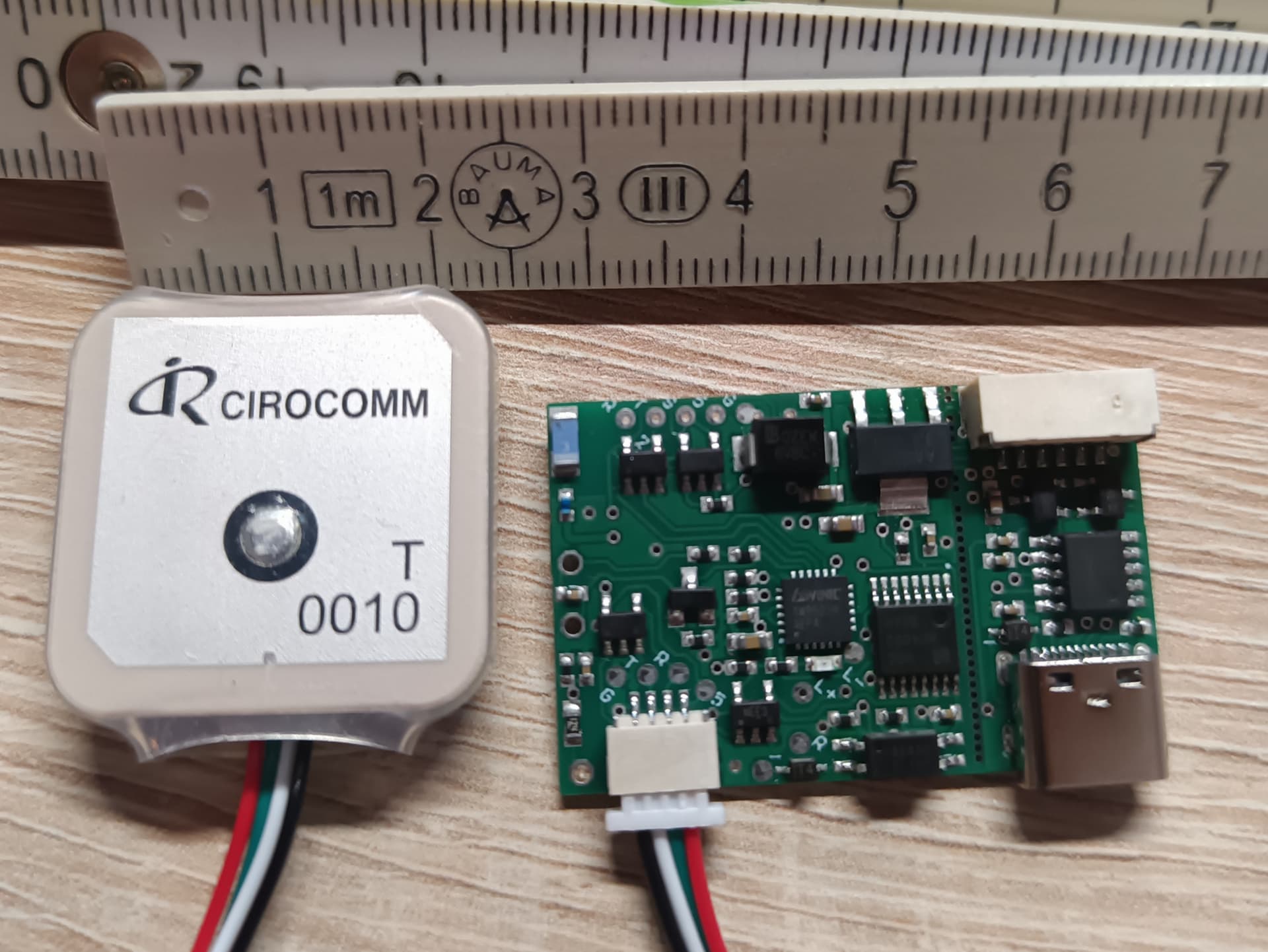
So, I decided to see if I could come up with an alternative that was self-contained, cheap, reliable and customizable. I know there are several commercially available alternatives but they seem either to have reliability issues (Vesc express) or be quite expensive (metr – now discontinued and voyage systems) and anyway I wanted a project.
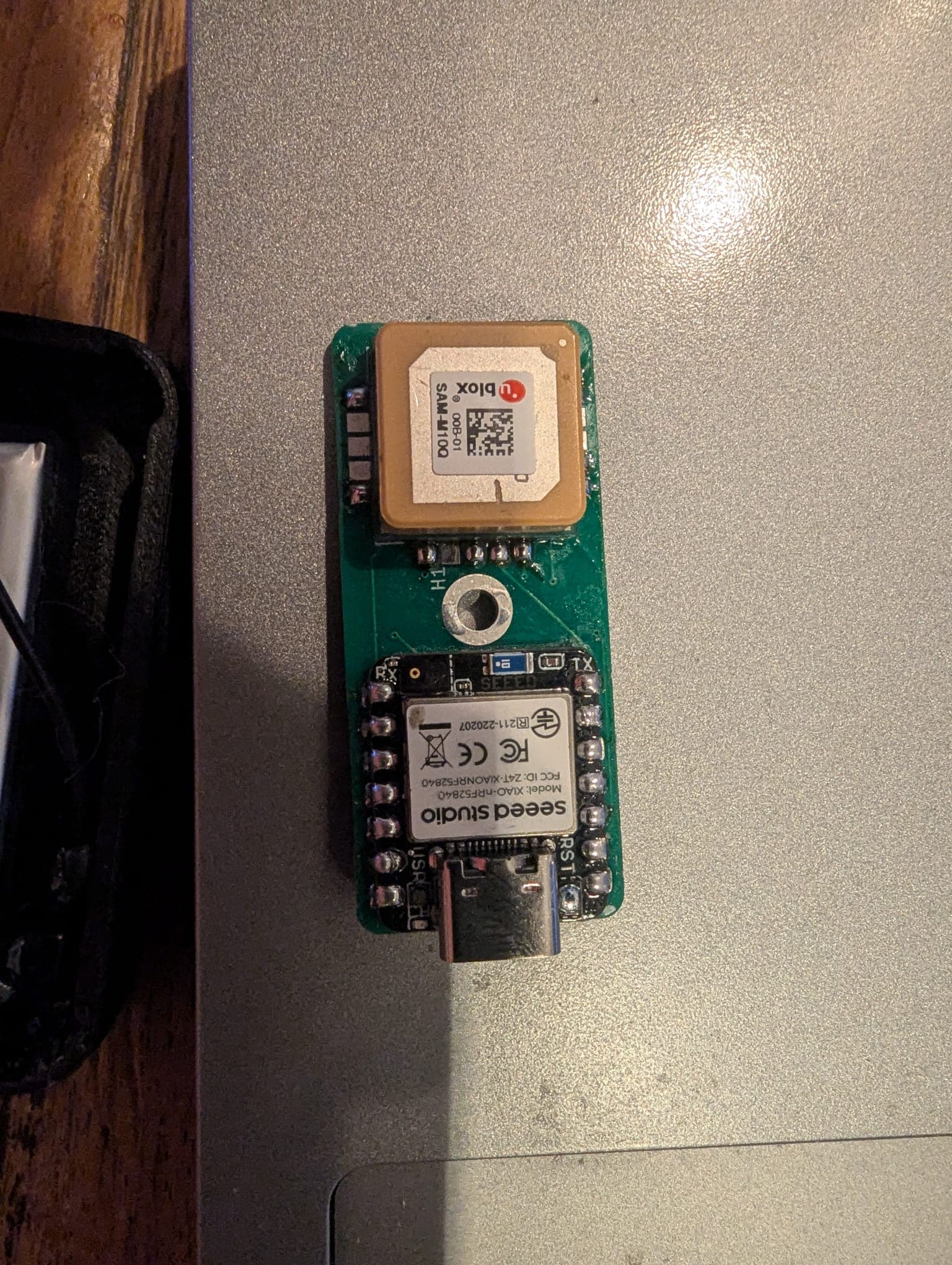
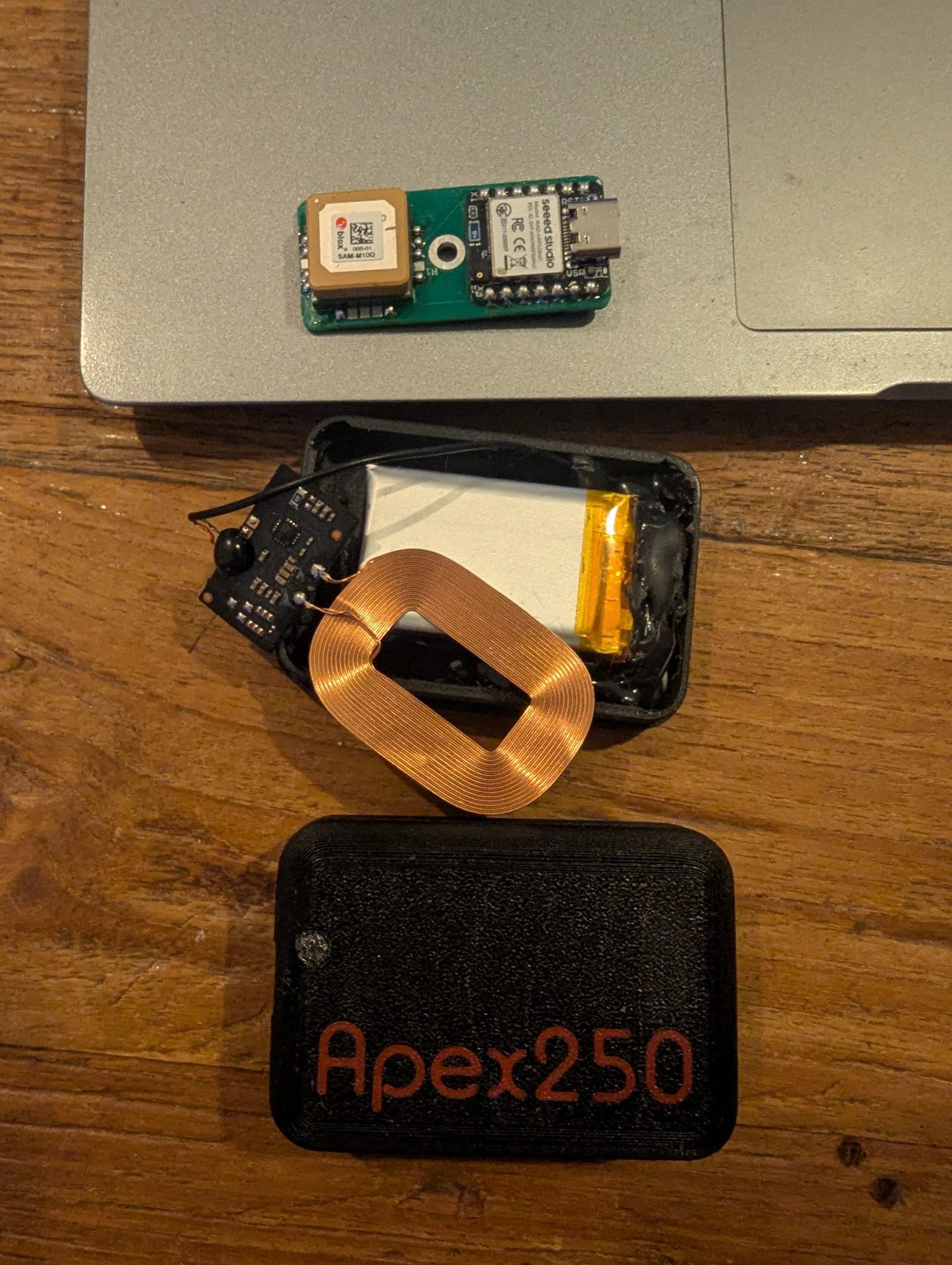
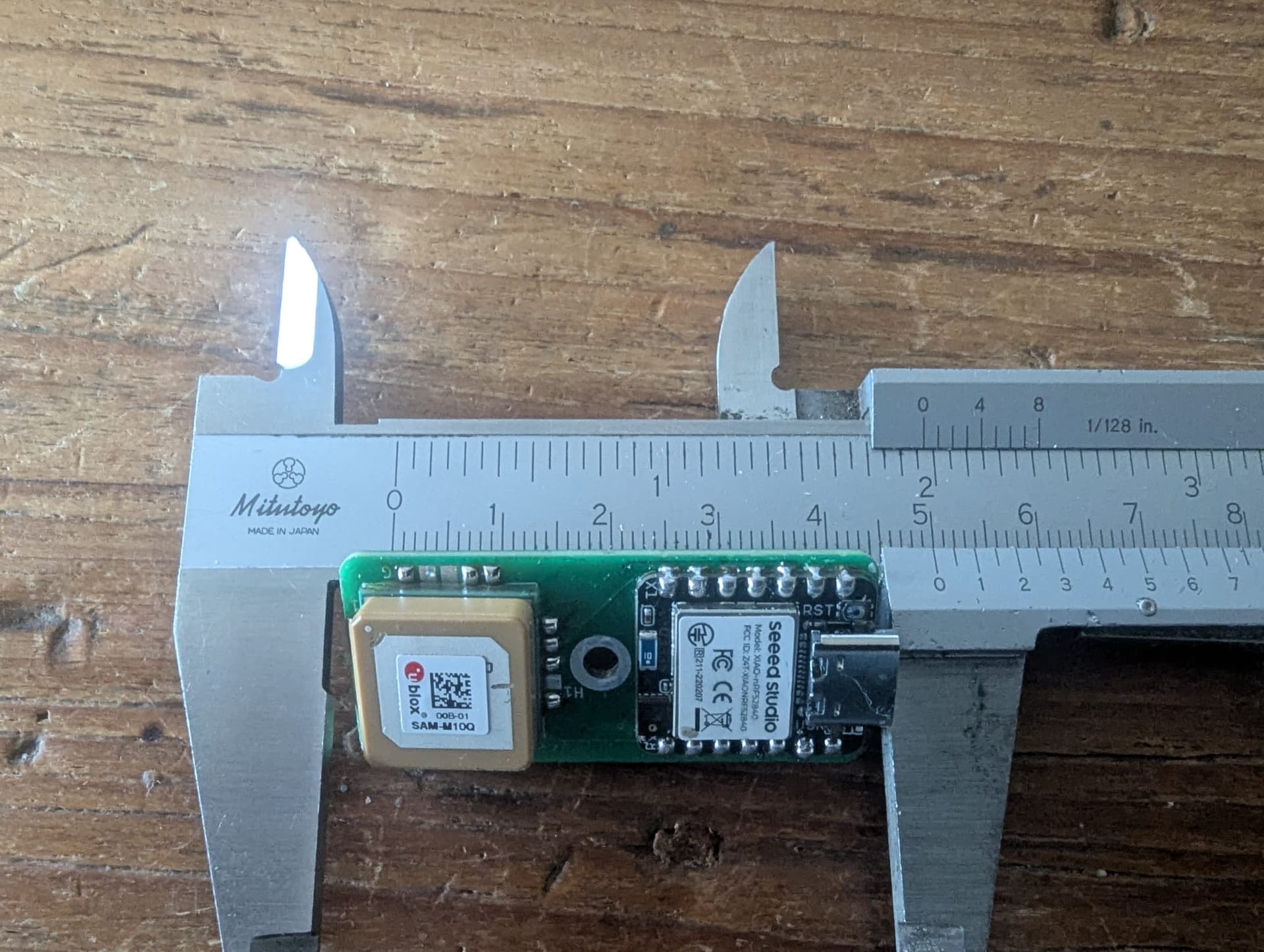
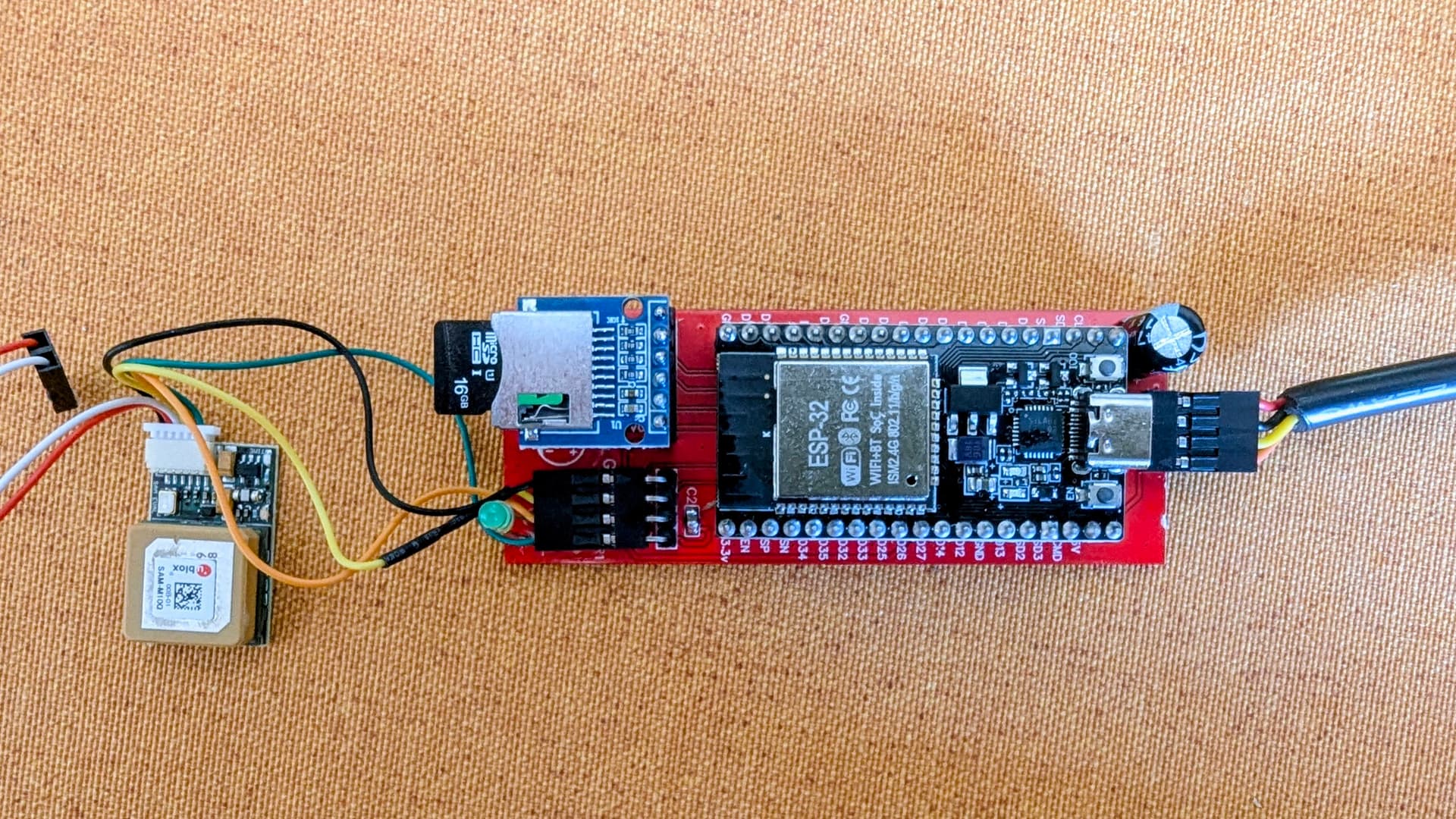
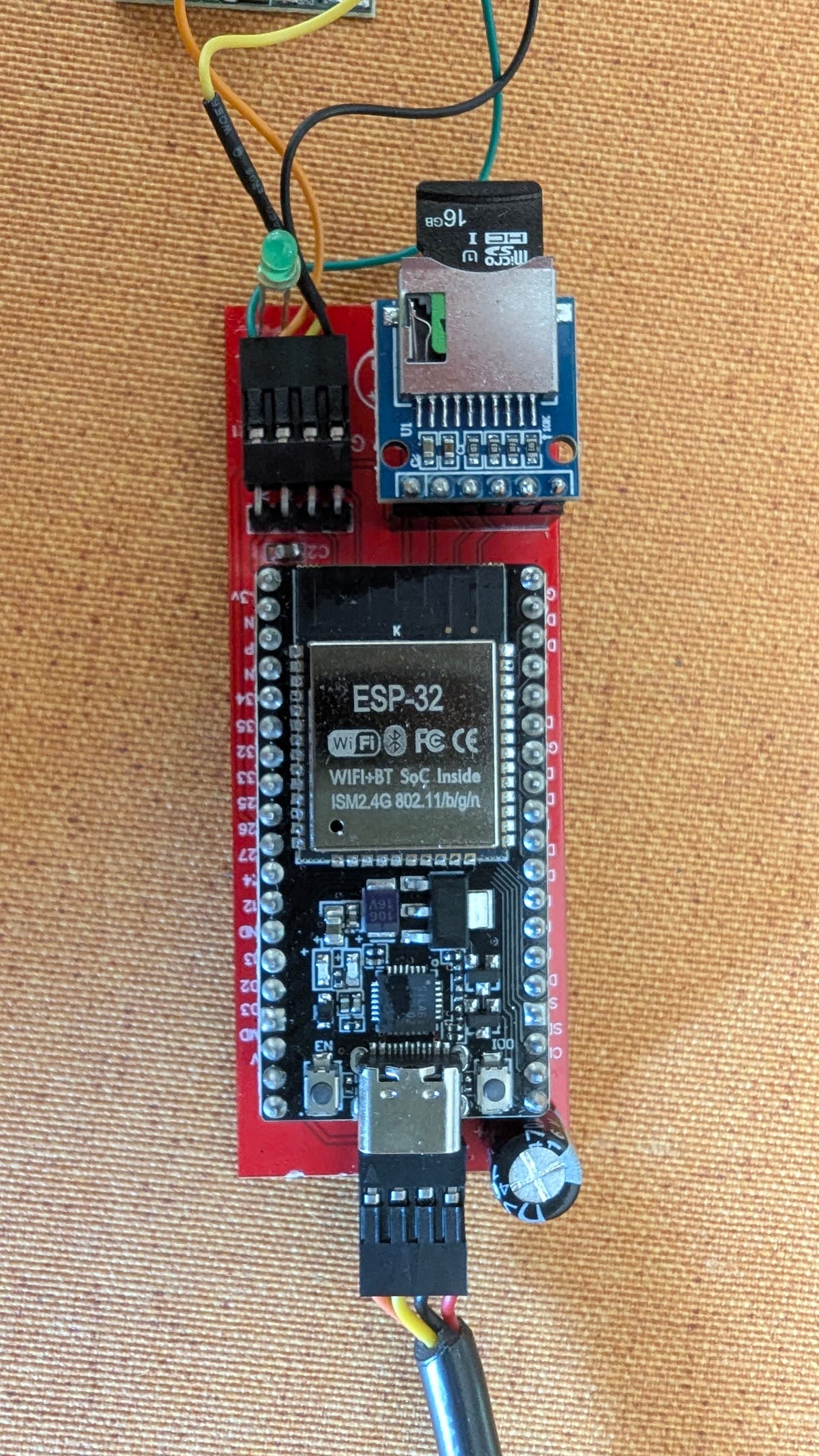
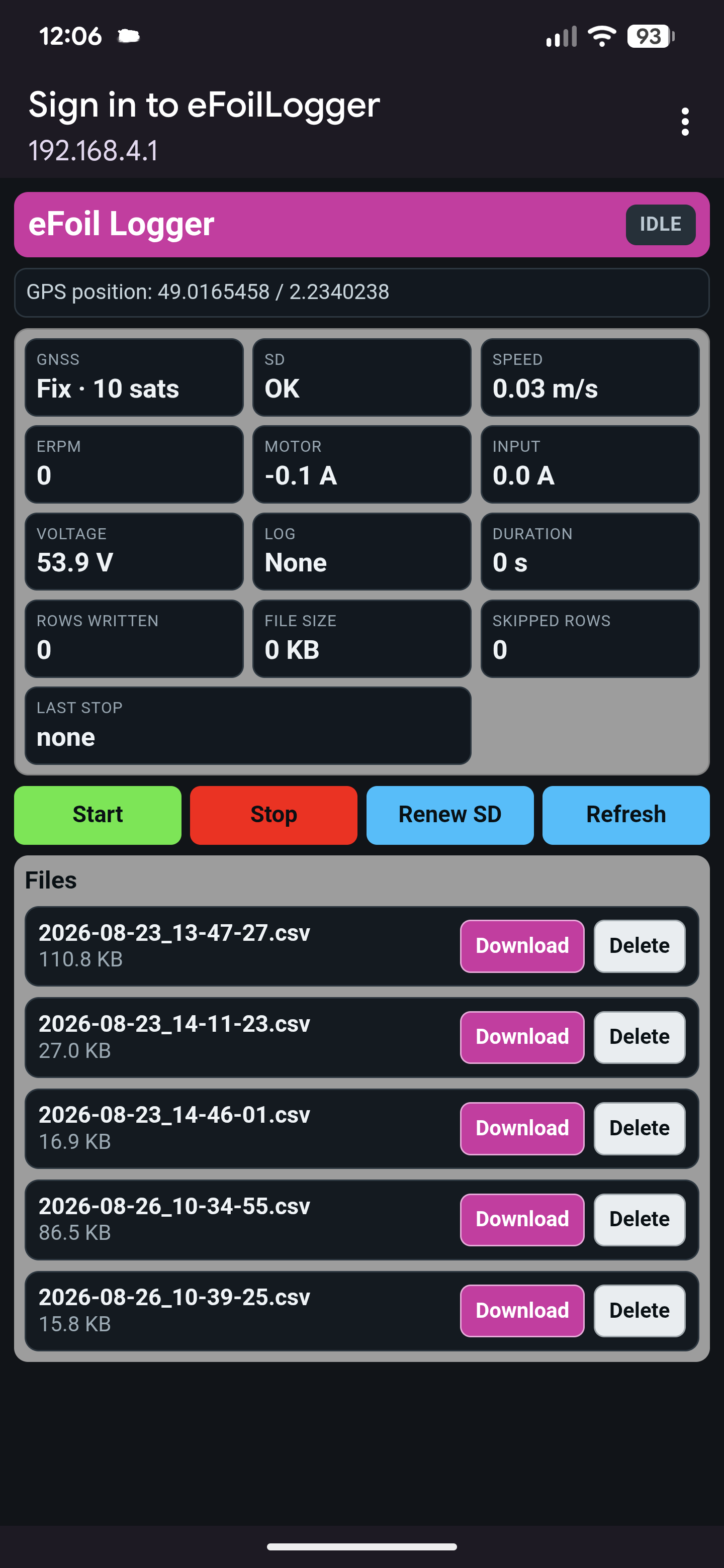
I designed a simple system around an ESP32, a GNSS module and an SD card. The logger plugs into the VESC ESC via the UART port, stores data on the SD card and the files can be downloaded to the phone via a web interface created by the ESP32 (faster than Bluetooth for larger files). The files are in Vesc tool format and can be loaded and analysed with the Vesc tool.
Web interface :
Upload to logtrc.com :
The main advantage of this device is that it is very customisable in terms of hardware and software – so you can add leds, buttons etc, and you can modify the auto start and auto stop parameters, wifi interface etc. Also it was great fun to build.
The code is relatively simple and easily modifiable with chat GPT etc. I used EasyEDA to design the PCB which is part of the JLCPCB ecosystem so easy to order the PCBs directly (5 minimum).
All the files are on my github :
The total cost is under 50€ including a good quality GNSS receiver and 5 custom PCBs with JLCPCB.
PARTS AND COSTS (approx):
ESP32 : 4.99€ (https://fr.aliexpress.com/item/1005006984793820.html)
GNSS module : ELT 0169 M10Q : 28.99€ (SAM-M10Q GNSS Antenna Module (GPS, GLONASS, Galileo, BeiDou) | u-blox | GNSS Store)
Micro SD card : 4.19€ (https://fr.aliexpress.com/item/32999509520.html)
Micro SD card module : 0.83€ (https://fr.aliexpress.com/item/1005005302035188.html)
PCB chez JLCPCB : 9.00€
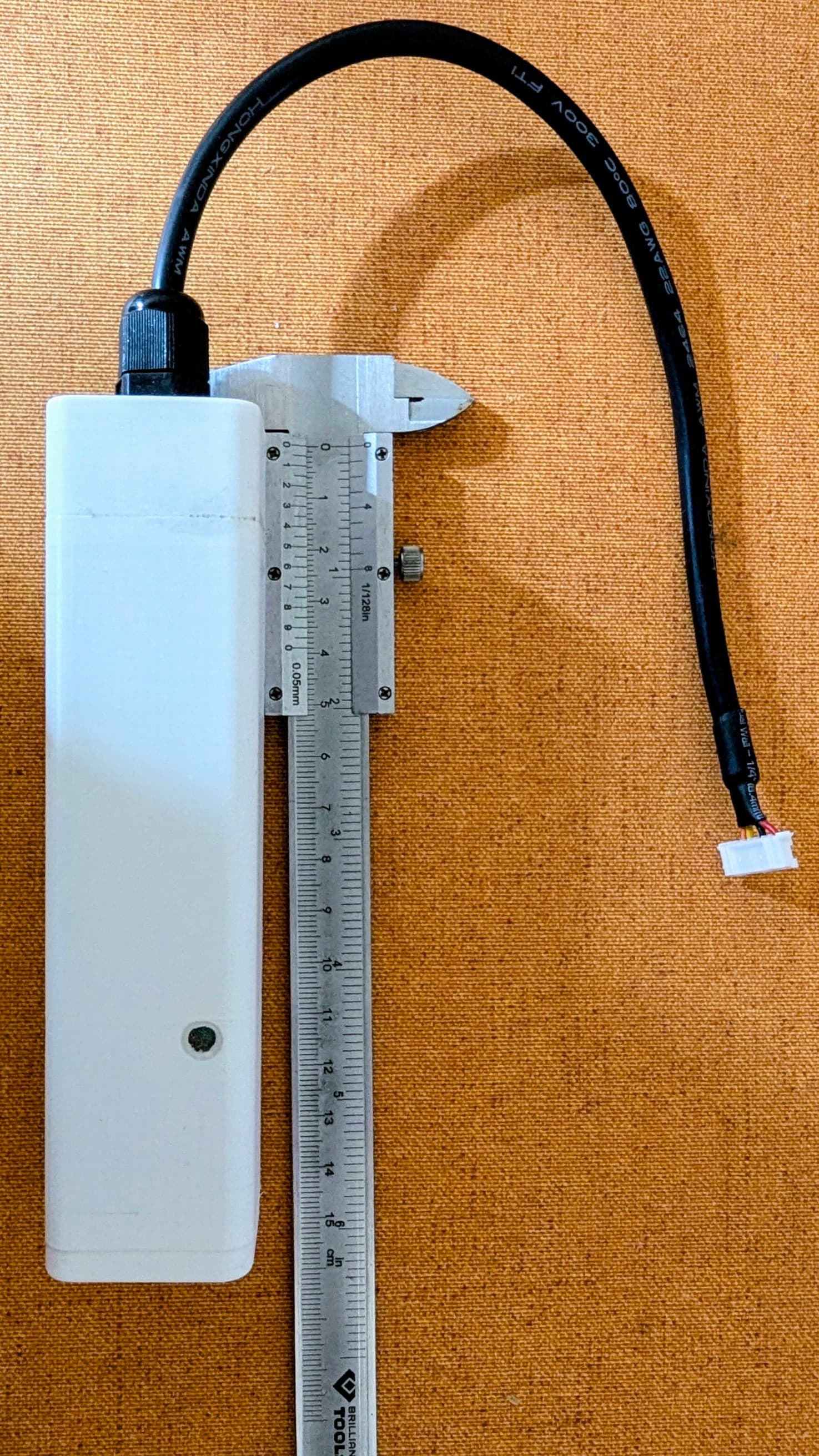
3D printed case : a few cents
Other components : resistors, capacitors, LED, wiring, cable gland : already had.
TOTAL : 48€
You could probably get away with a cheaper GNSS from Aliexpress, but I have not tested that.