Been looking at how to extend my inland wind range for wing foiling and foil assist seems like the way to go. Additionally some pumping might happen too
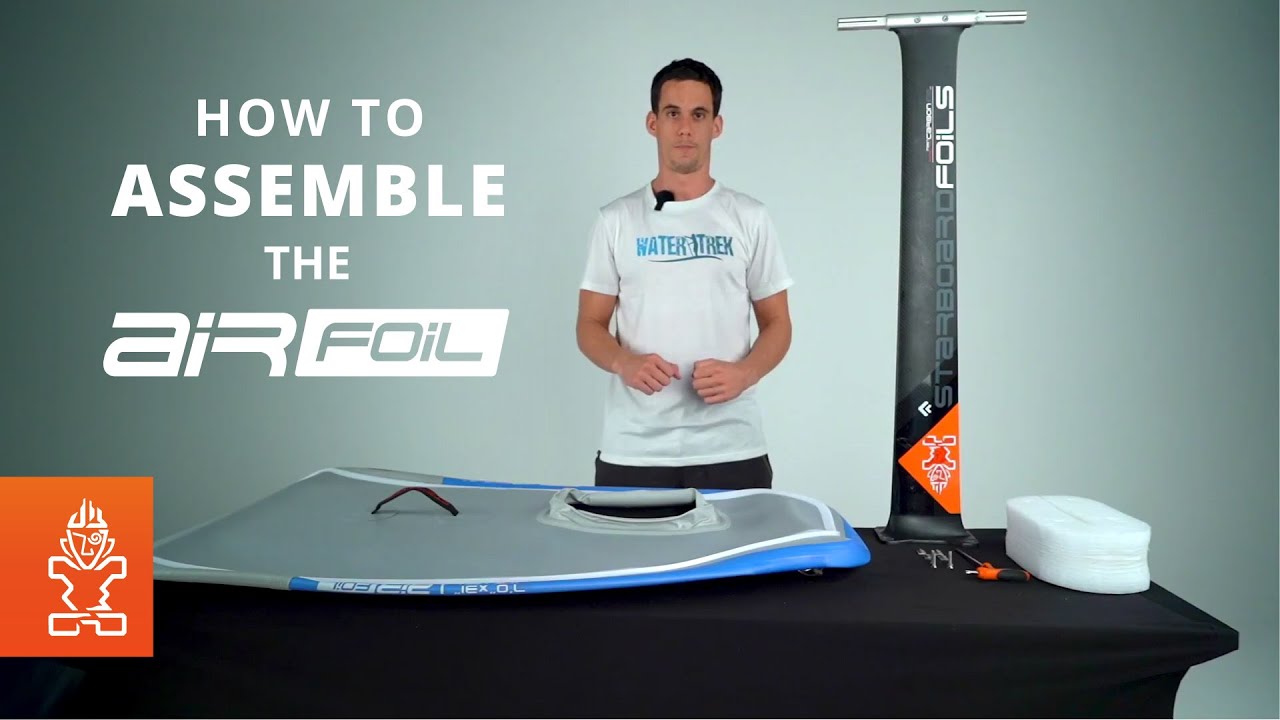
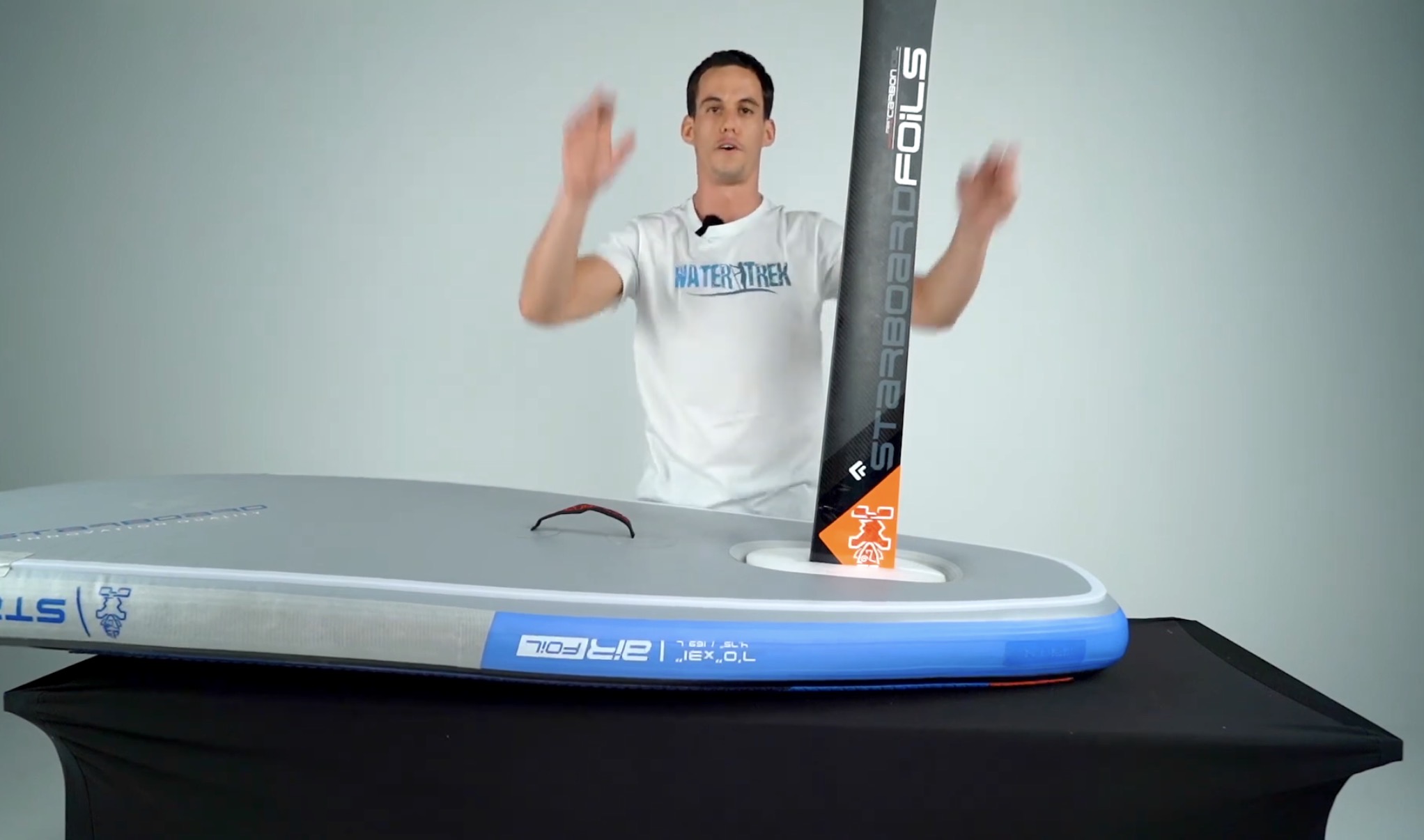
I have a starboard inflatable, 122L , with peculiar feature - a foam plug.
It’s a Starboard thing - mast attaches to a carbon plate on the top of the board. This makes the whole thing supposedly more rigid and creates interesting opportunity to build foil assist system that mostly hides where the foam plug goes. Above pics are from their instructional video.
This is just an idea right now, researching the specs, but it seems that I should be able to:
build a custom container of the same shape as foam plug
fit 12S2P worth of accu, 12S3P would require some 3D chess
use aluminum mast as giant heat sink
The reason I am writing now is that I am turning to spot any weaknesses and potential problems.
You’ve raised an interesting point. For inflatable boards and efoils, would they be a lot more responsive if they all secured the mast to the top plate for all of them…
I think so, but it also depends on how big and stiff the plate is. For my inflatable efoil I built a sandwich with a plate on top and bottom, fixed with spacers squeezing the board in between. The battery box is also in the opening between the two plates. The mast is fixed to the lower plate with screws going through the upper deck. This way I get a direct connection to the deck plate. With a setup tuned in a way that I can keep both feet on the top plate it is much more responsive. With a big wing with lots of lift I have to stand on the inflatable deck in front of the rigid plate, the woble of the board dampenes movements, it is rather “laggy”.
This is neat idea and it would be new form factor for an assist. Limited to this type of inflatable but still a cool idea.
Mast could be a heat sync, but if you just did a small heat sync built into the bottom of the enclosure (like many other assist boxes) you would have the flexibility to using a carbon mast.
I would think having the top of the enclosure being removable for access makes the most sense, then the inflated board that “hugs” the outside can act as an initial seal against the water. You could leave the inner hole a bit larger than the mast itself and then a separate spacer to fill that gap with a tight fit. Maybe printed from TPU.
So my biggest concern is placing something rigid, where there is something flexible right now. The foam plug probably allows for some mast play - since the carbon top plate does ‘move’ related to the inflatable part of the board.
Additionally, once something rigid replaces foam box, there will be considerable pressure from the walls of the inflatable - holding the box (good) and potentially crushing the box (bad)
Two routes I am considering:
form XPS, slightly smaller than exisitng plug, laminate over, keeping walls concave (as they seem to be on my slightly worn plug). That will make conatiner very stable, once board is inflated. I’ll probably glue some neoprene around the box - just to allow a bit of play. Then I’ll remove most of XPS and place all the stuff inside.
printing the box (I have Bamboo Lab printer at home). This might take some more time - modelling existing plug etc, including structural elements. not sure if I can laminate over this, to make it more robust. This would allow for any improvements, including any battery compartments etc.
I’ll probably do 1 as it seems quicker for now, but ultimately do 2. My son (13y) has recently been fascinated by modelling stuff in Blender, so I’ll put his skills to a test.
In my case, the top section is essentially the same dimensions as a pump board. The idea was to always stand on it even when going fast. The inflatable is purely there for buoyancy.
This is the same as riding with a spacer. If you removed that spacer your mind will be blown at how much more direct it will feel. I’ve ridden the same battery and efoil setup on a 10cm thich board and then on a 3cm thick board. The difference was huge in how much better it felt on the 3cm board.
Print it, fibreglass over the outside. you could also look at potting it. Alternatively you could also look at CNC with acetal which would give you a nice strong enclosure.
The box I would probably print rather thin, like 1mm walls, to have maximum space inside
Then pot with some hard to compress material like 2k PU, that will give the actual strength
Found it on instagram. I think this indiana has stiff plate, probably aluminium or carbon, the rest is inflatable and below there is a whole that fits the batteries of the Foilboost system. I think as well that price is hot to get a super lightweight foilassist or efoil…