I dont think that would be competitive compred to just getting parts printed or machined in china. I used to have 350k€ of machines (cnc mill, heat treat oven, cnc bending press, lathe) for work but I never managed to get parts out where china part anodised and delivered was not cheaper than EU material only! Only parts where it made sense was for very specific, tooled parts.
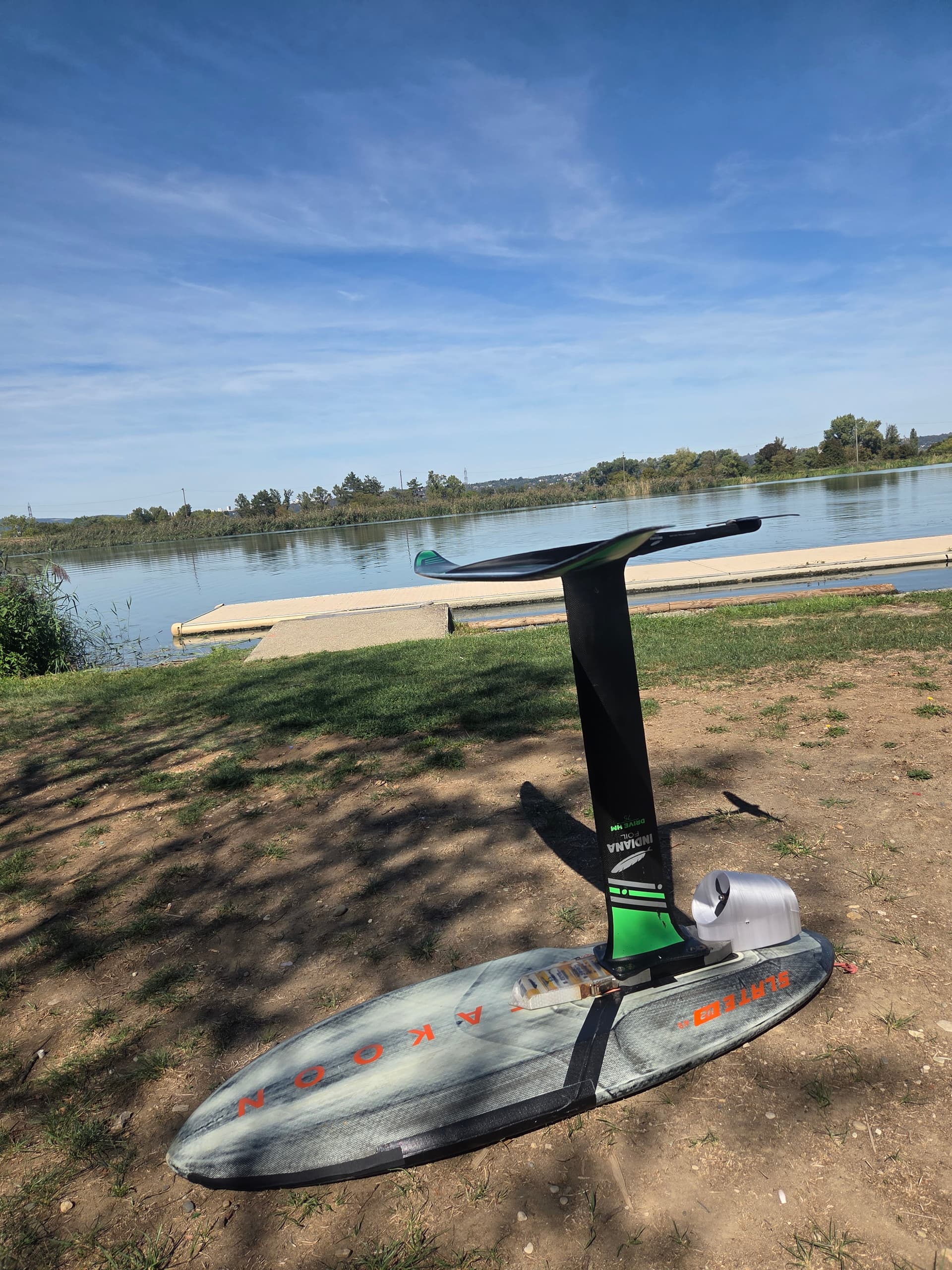
Lost the pod in the water yesterday, went looking for it at low tide, but it disappeared, I thought I could just find it laying on the sand.
I will have to rework the system to increase reliability, will list ideas later, ordered another 5085 in the meantime.
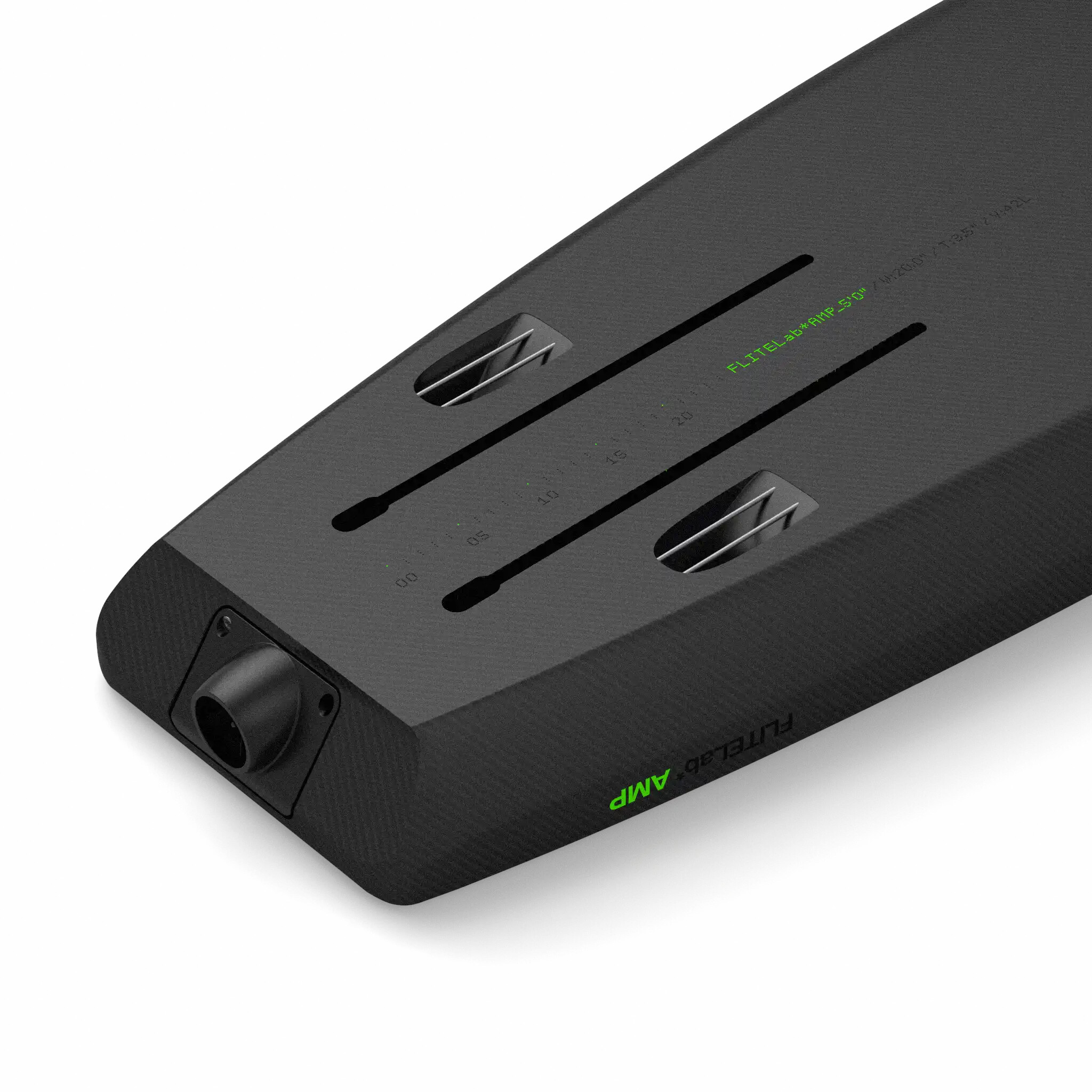
Interesting concept “poor mans flite AMP”?
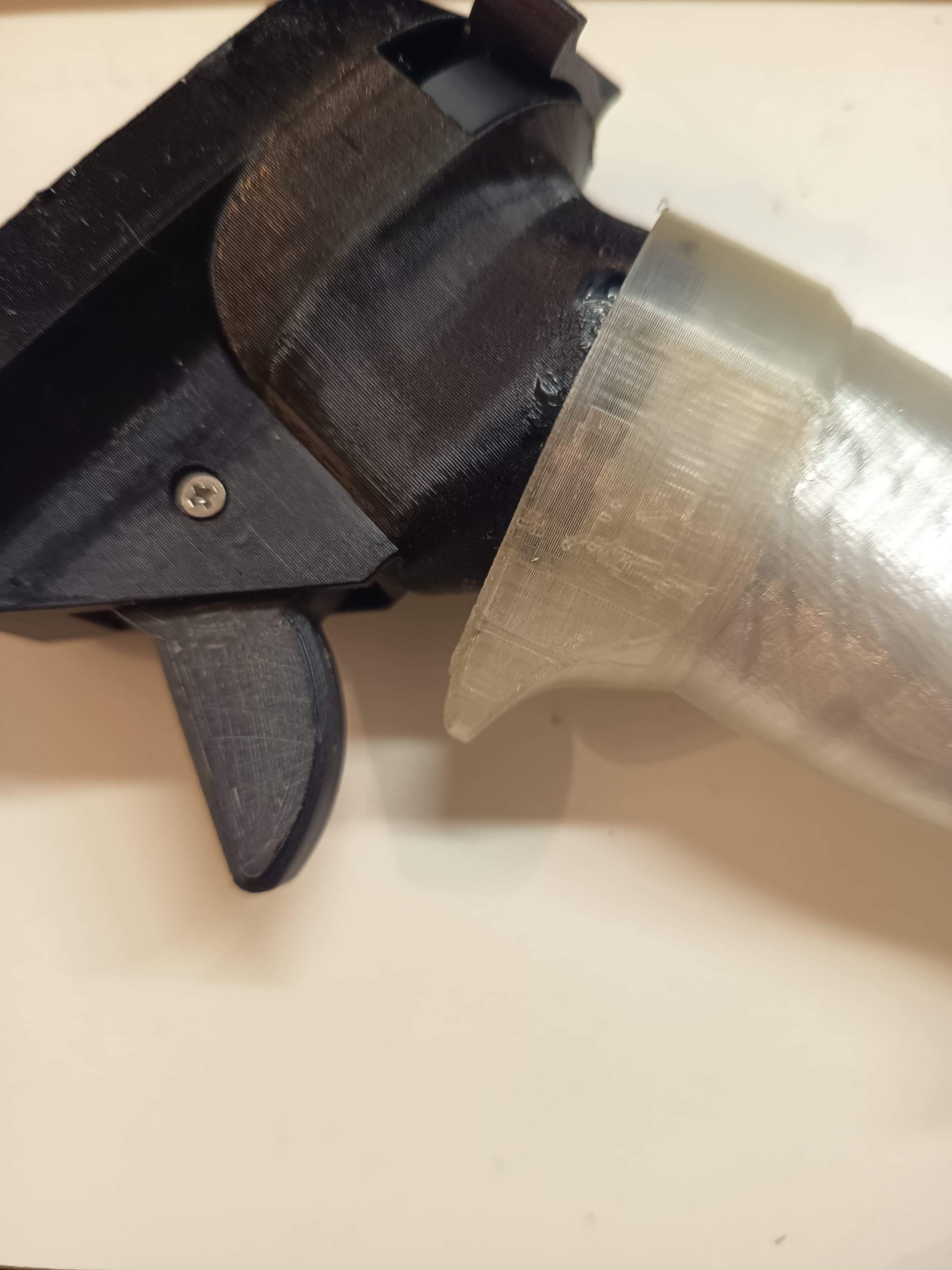
I wonder how it behaves when doing a touch down, probalby a rather hard brake with this funnel, compared to a folding propeller.
Always inspiring to see new ideas.
Yes, that is my main fear also. But it is very high on mast, even higher than my usual pod.
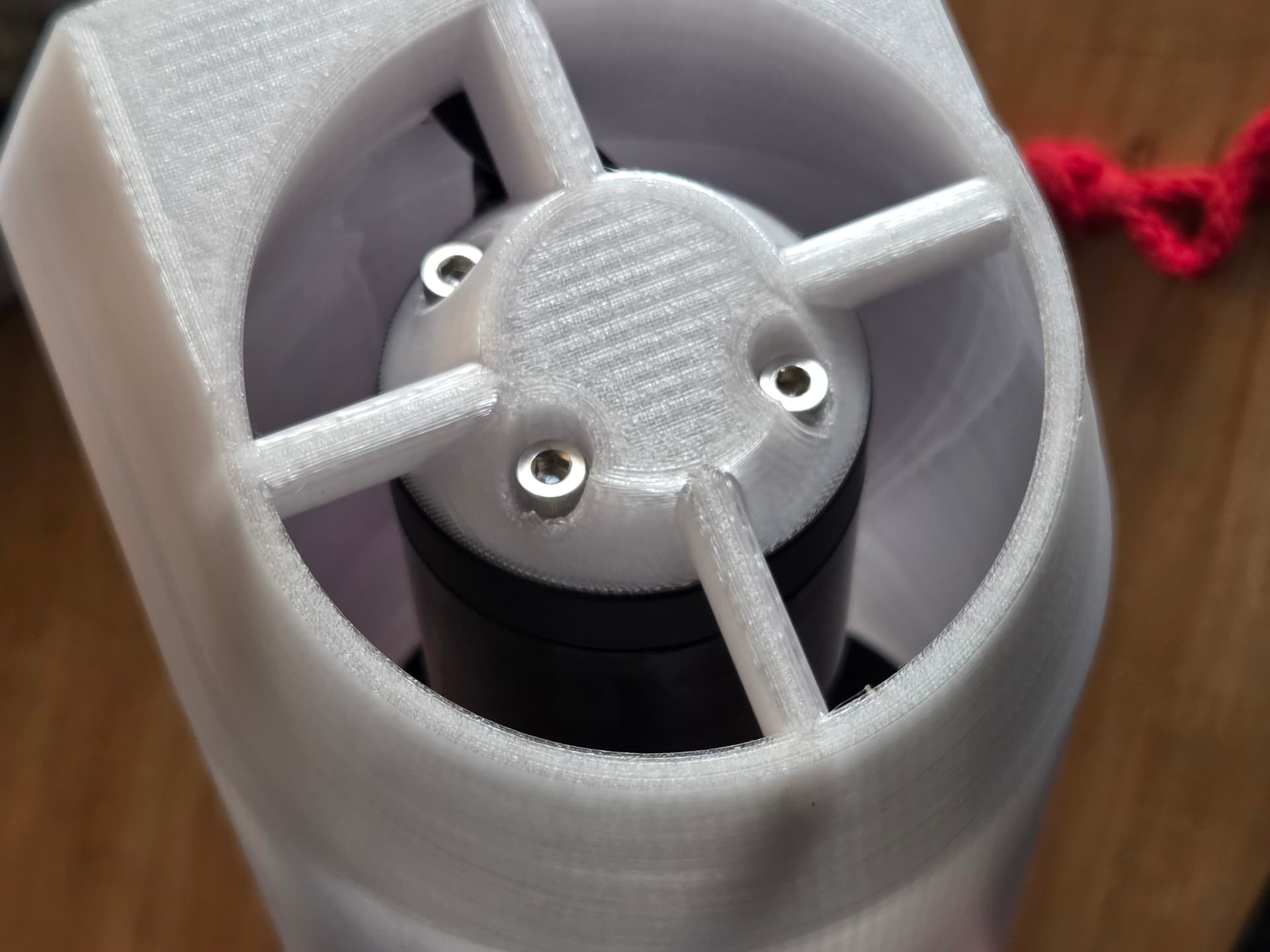
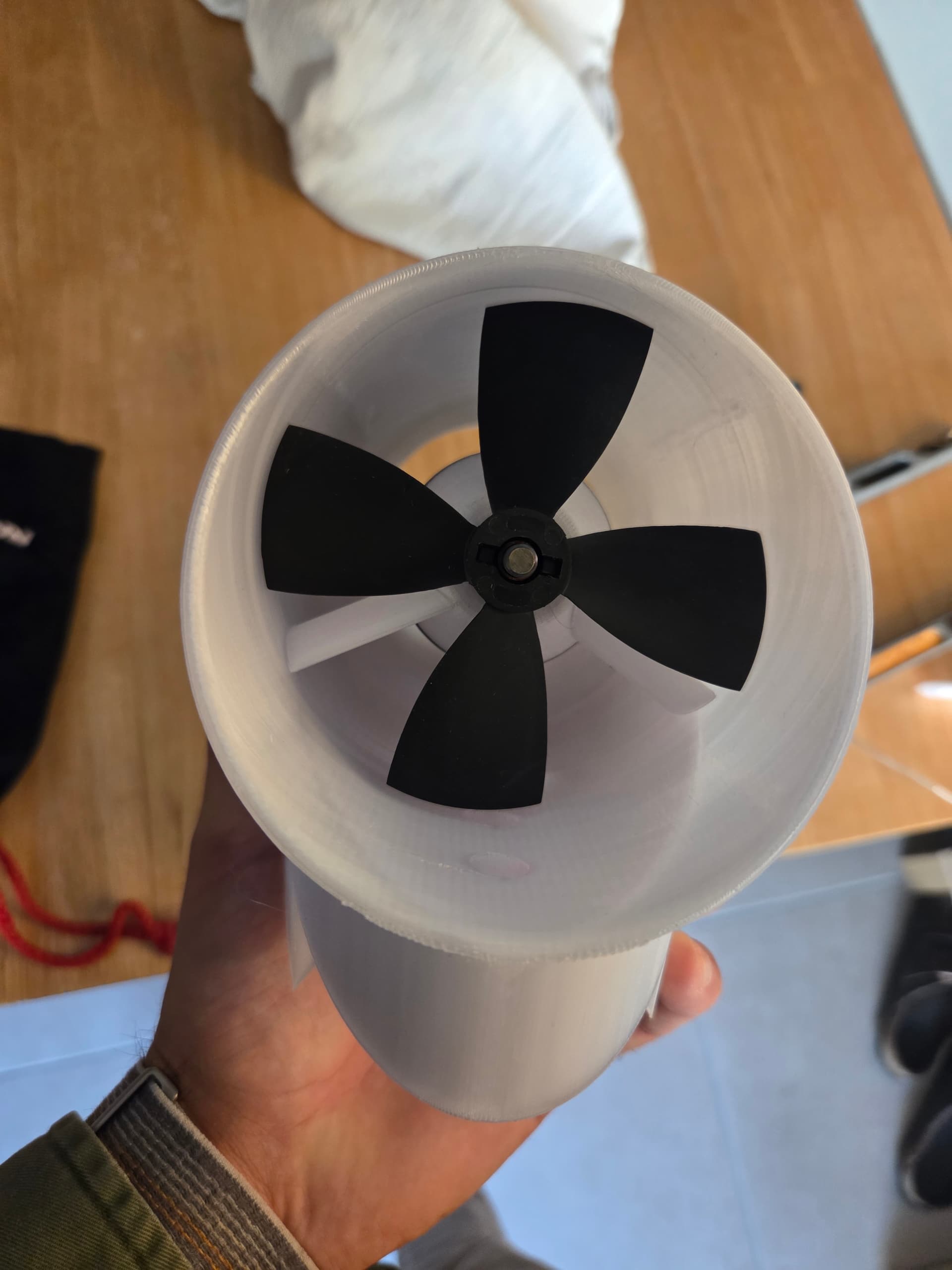
I am not sure it will be efficient enough, it is indeed in the same idea as flite amp, goal is dw and surf foil pop up, and displacement mode for motoring to peak. Safety is also for me, never had issue with props but few close calls and nightmares photos online.
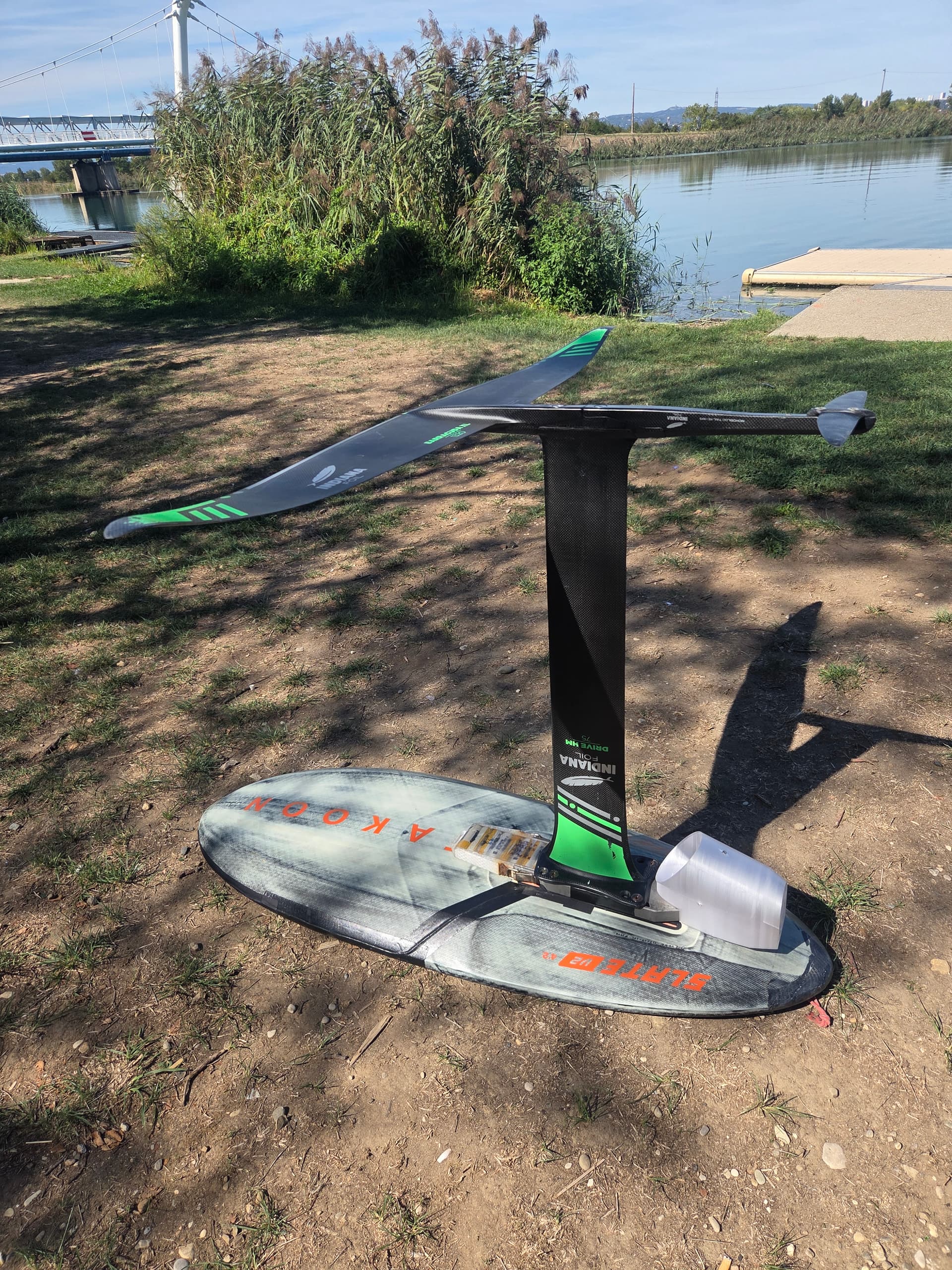
So the system works, managed to start the small board a few time, but only with full battery. It is really pushin the 12s1p HARD, I saw 41v/65A on maytech, with full battery.
With the big board, it is easy to get flying with some pumping but the transition to fully flying is not easy. As expected, motor off “pod” touchdowns causes a lot of drag. If motor spins during touch down, it is much less noticeable
Definitely an interesting direction to explore for my use case!
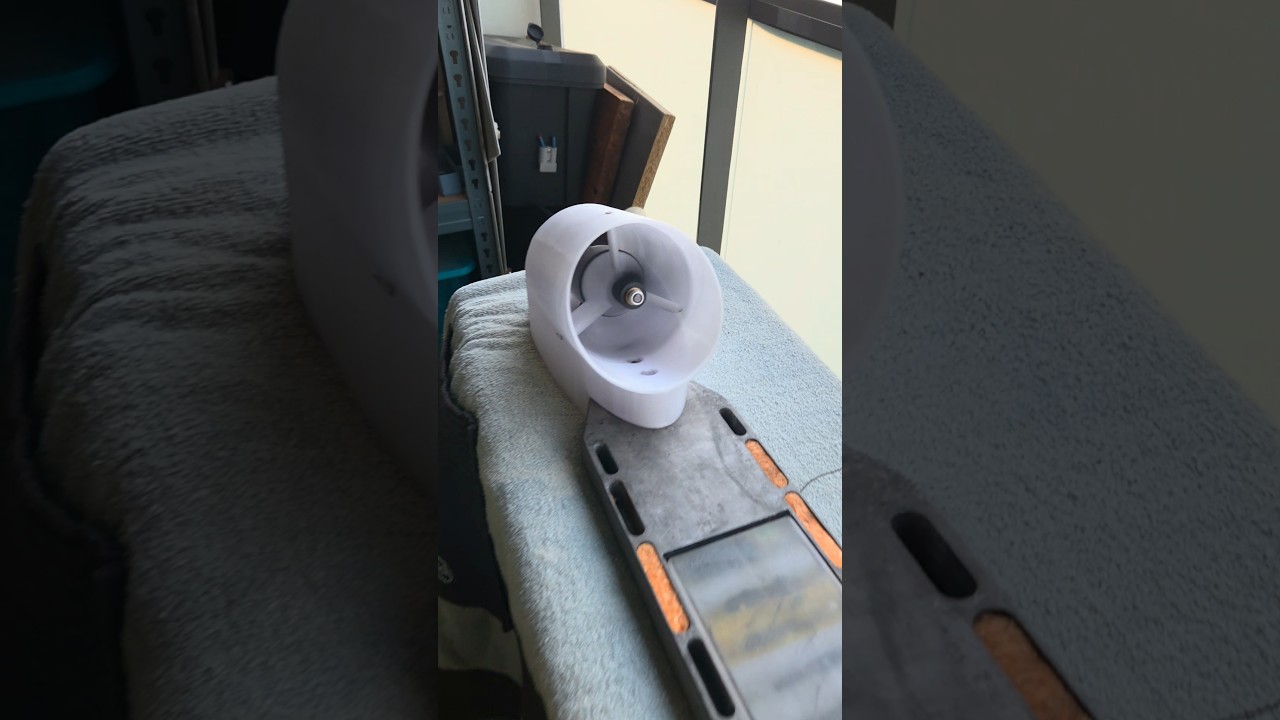
Should have videos of the test from a friend will post later.
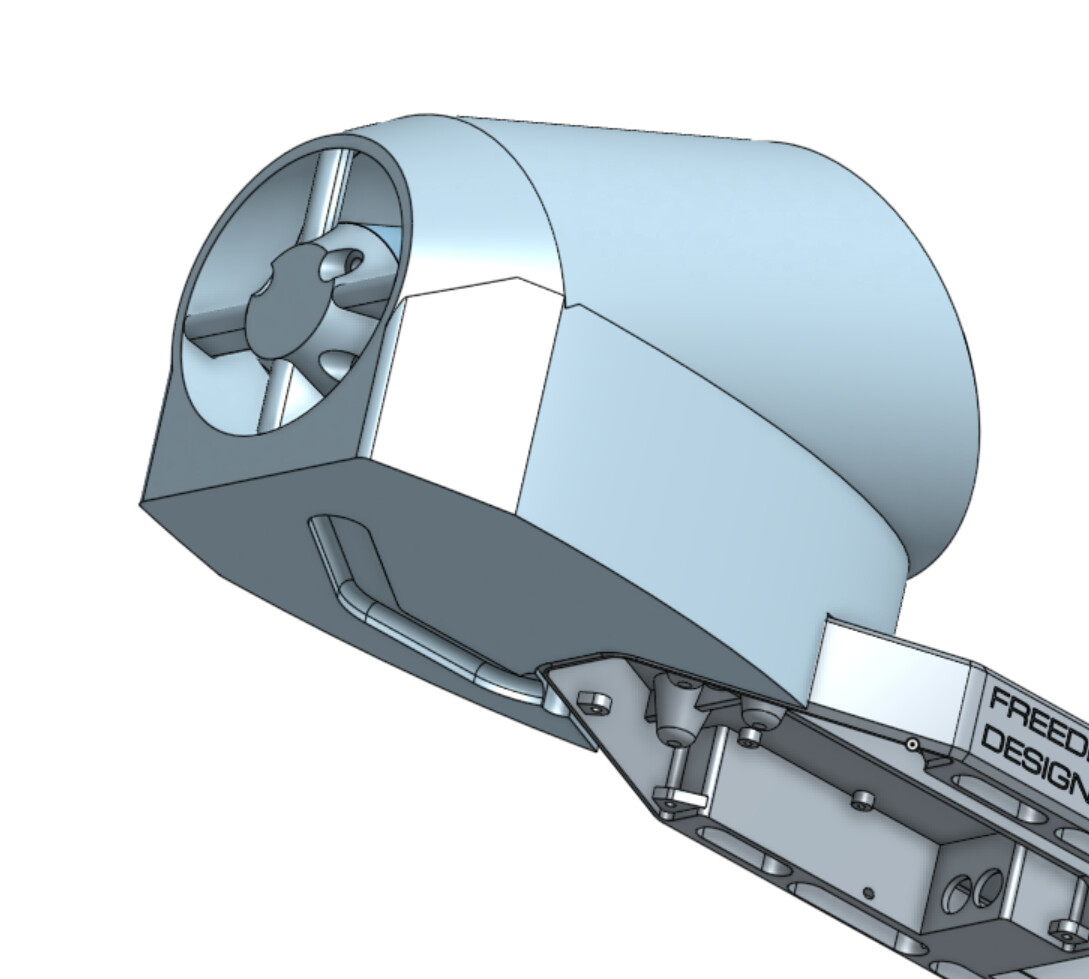
Following sucess of the test jet, I am wondering about building a dedicated system.
Project goals are not yet super clear, but made a first version to think about it.
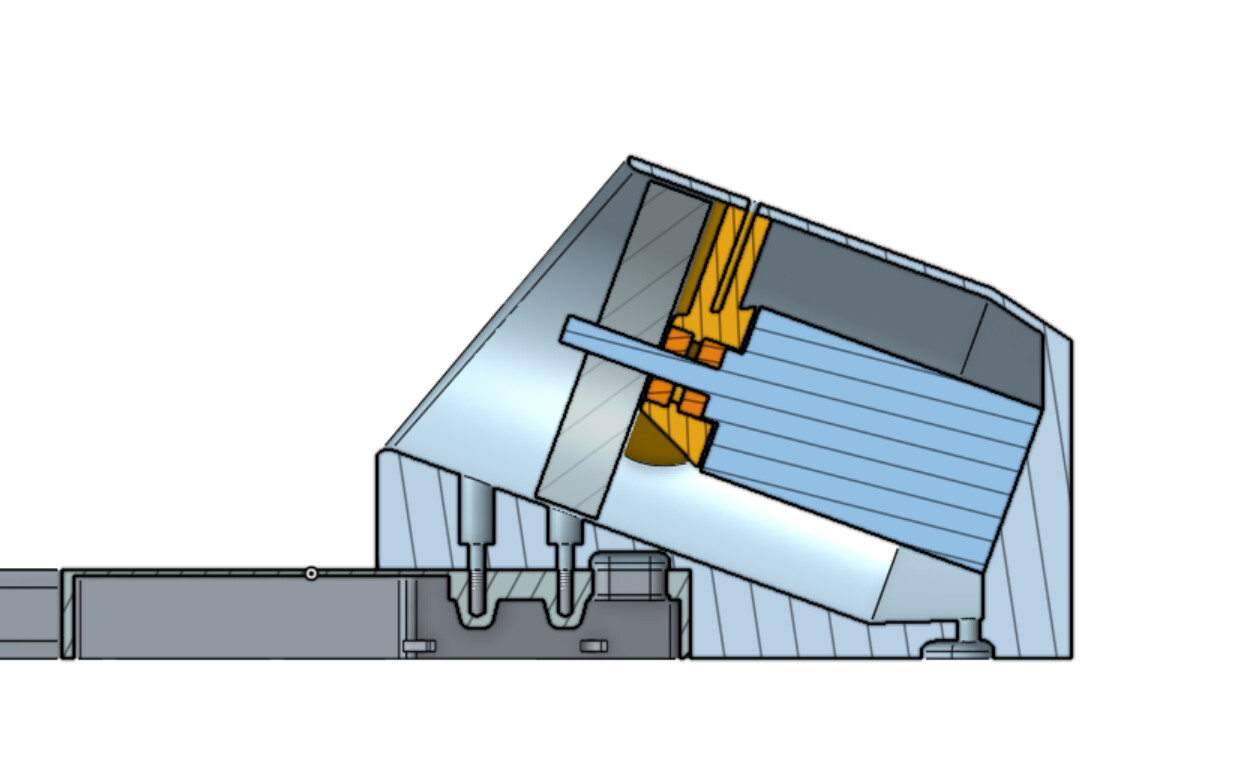
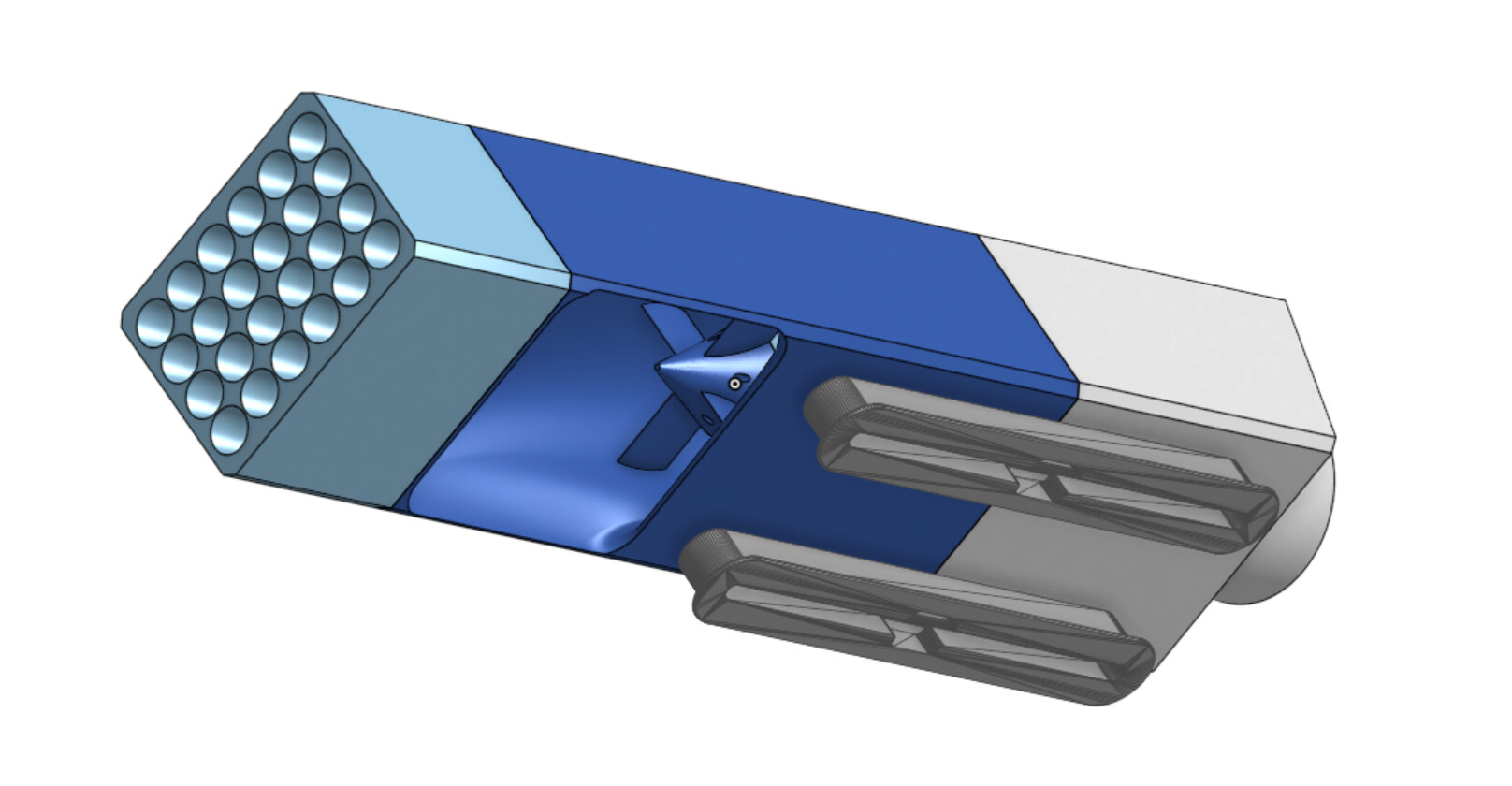
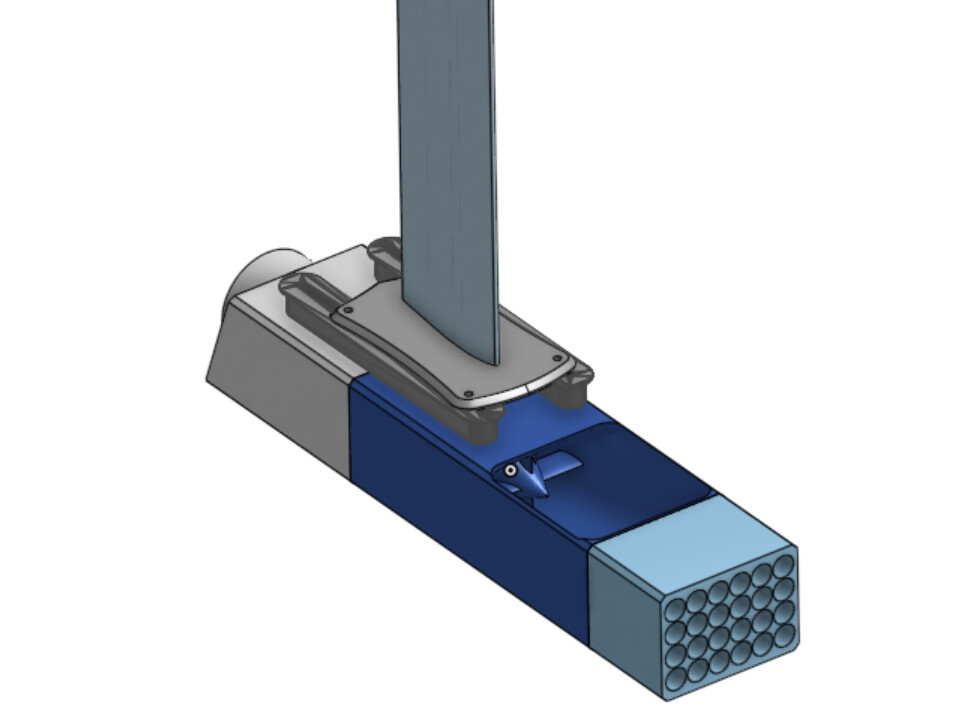
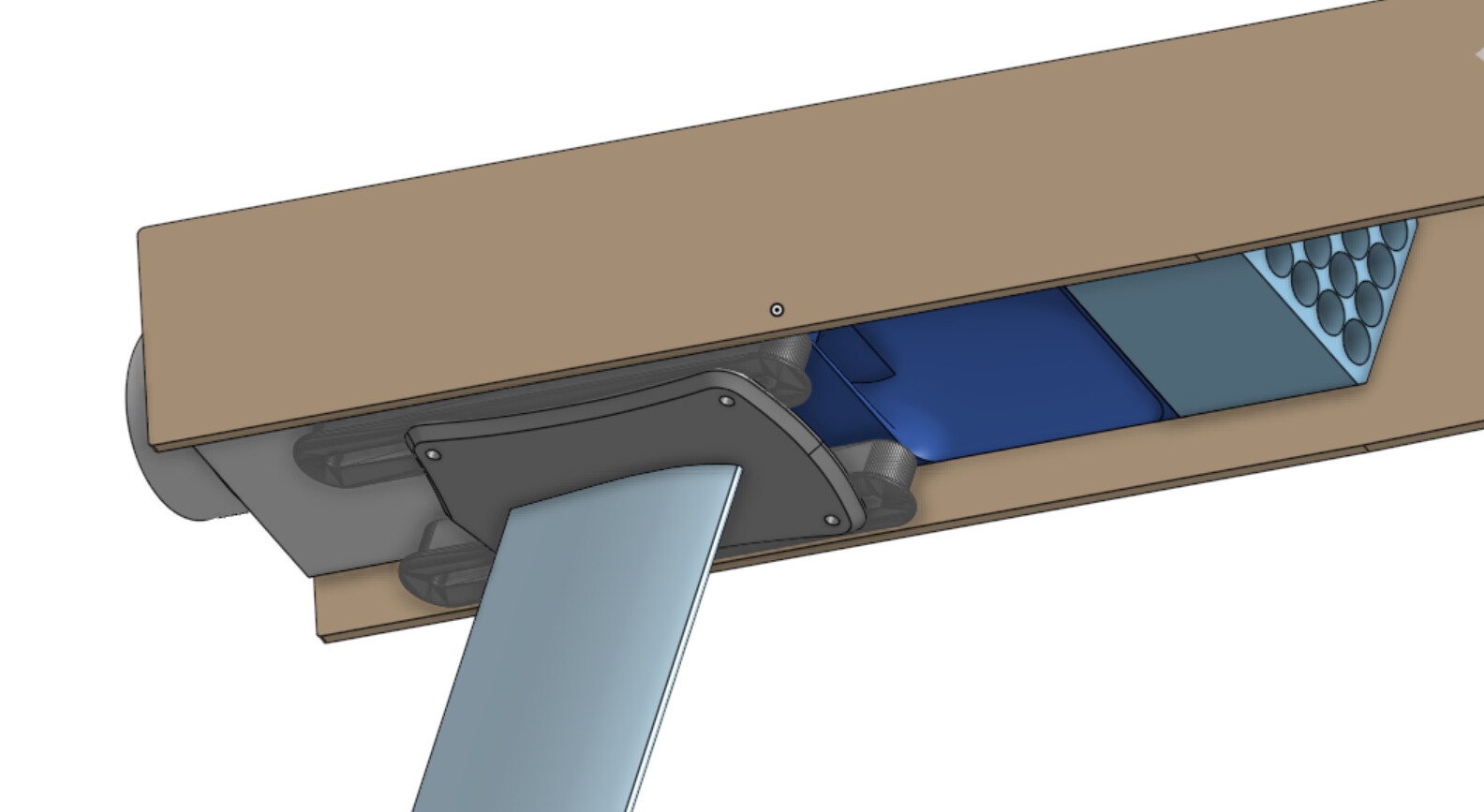
95mm 5080, 12S2P removable 21700 battery, sealed battery compatrment that can be filled with 4S1P and wires for travel. Cartrige from the back of board as in flite unit, or from top as a reverse trench board.
the unit itself seems pretty straigtforward to build, but a little thick due to the extra space needed for tracks. For the board it is another story, not easy to do something conforrtable, strong light and rigid in the design. I have carbon and foil box in stock.
Compared to amp, the sucction entry would be in front of mast and not on the sides, much easier to build, but unsure about touch down and sucction effect in front of mast.
Inflatable foilboards have very shallow foilboxes.They use a thick (5mm) carbon plate and low profile inserts, those boxes are sold at the Ali stores, they are heavy but you could cut a lot away for use on a rigid hull.
There was a polish guy who made and sold carbon boxes, good quality but pricey, cannot find the link.
I build my own boxes with a similar concept but much lighter for glassing in.Usual box fiber reinforcenent patches on top.All carbon from Ali.Plate is 4mm , carbon square tubes under to add rigidity, create a chamber for inserts and screws and act as sacrificial layer for inserts to rub against.
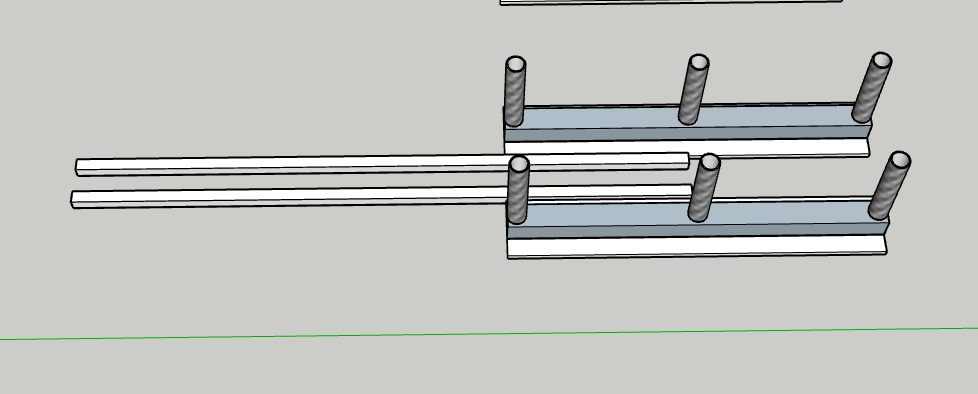
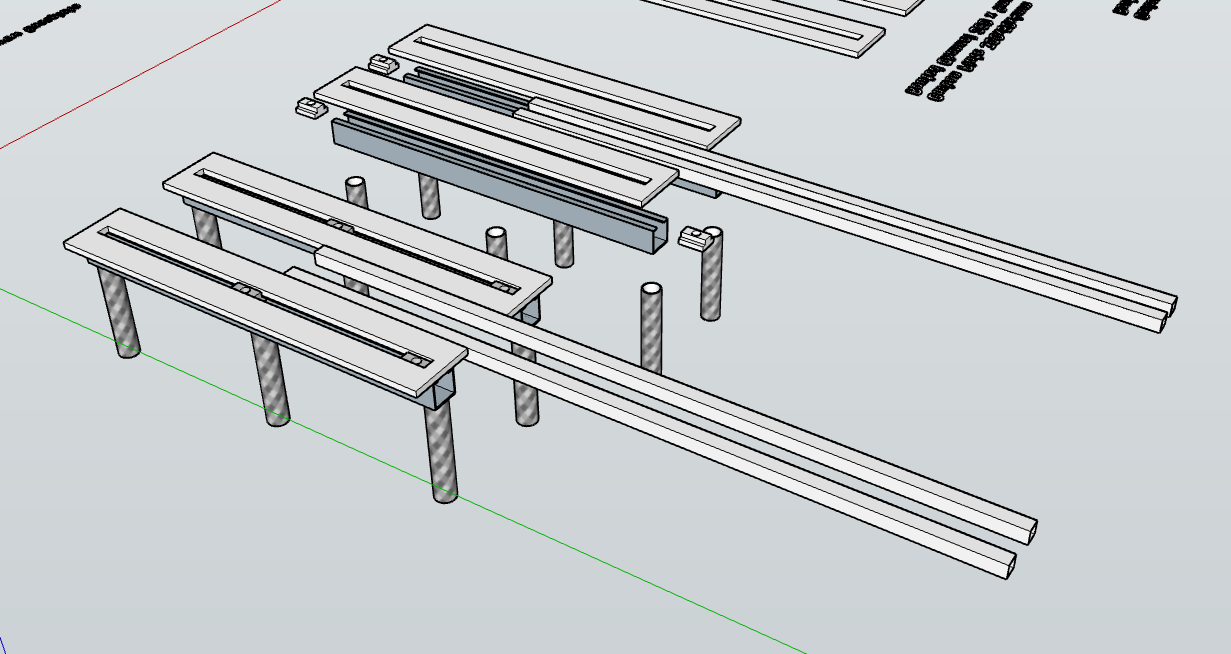
-Foilboxes: 30cmx4cm x 4mm Alixpress carbon plates.Epoxied (vac bag) to square tube 2cmx1mm (in reality 1.5mm thick aprox) wall AliXpress with thin (40gr?) glass between.
Routed with Makita 9mm bit on jig.Ends sealed with XPS foam anf GorillaGlue.
Round tubes are pillars to connect box to deck.
Partial stringers are carbon square tubes 1x1cm 1mm thick to provide compression resistance in front of box.
Whole enchilada weighs about 320gr , plus the reinforcement patches.
Been wing and sup foiling on them for a couple seasons now, no issues.
Yesterday I have disassembled my unit to replace the magic gel with silicon. Shockingly the magic gel is reacting with the heat pad of the controller, which began to desolve. Maybe you want to check your units if you used magic gel too.




 Maybe you want to check your units if you used magic gel too.