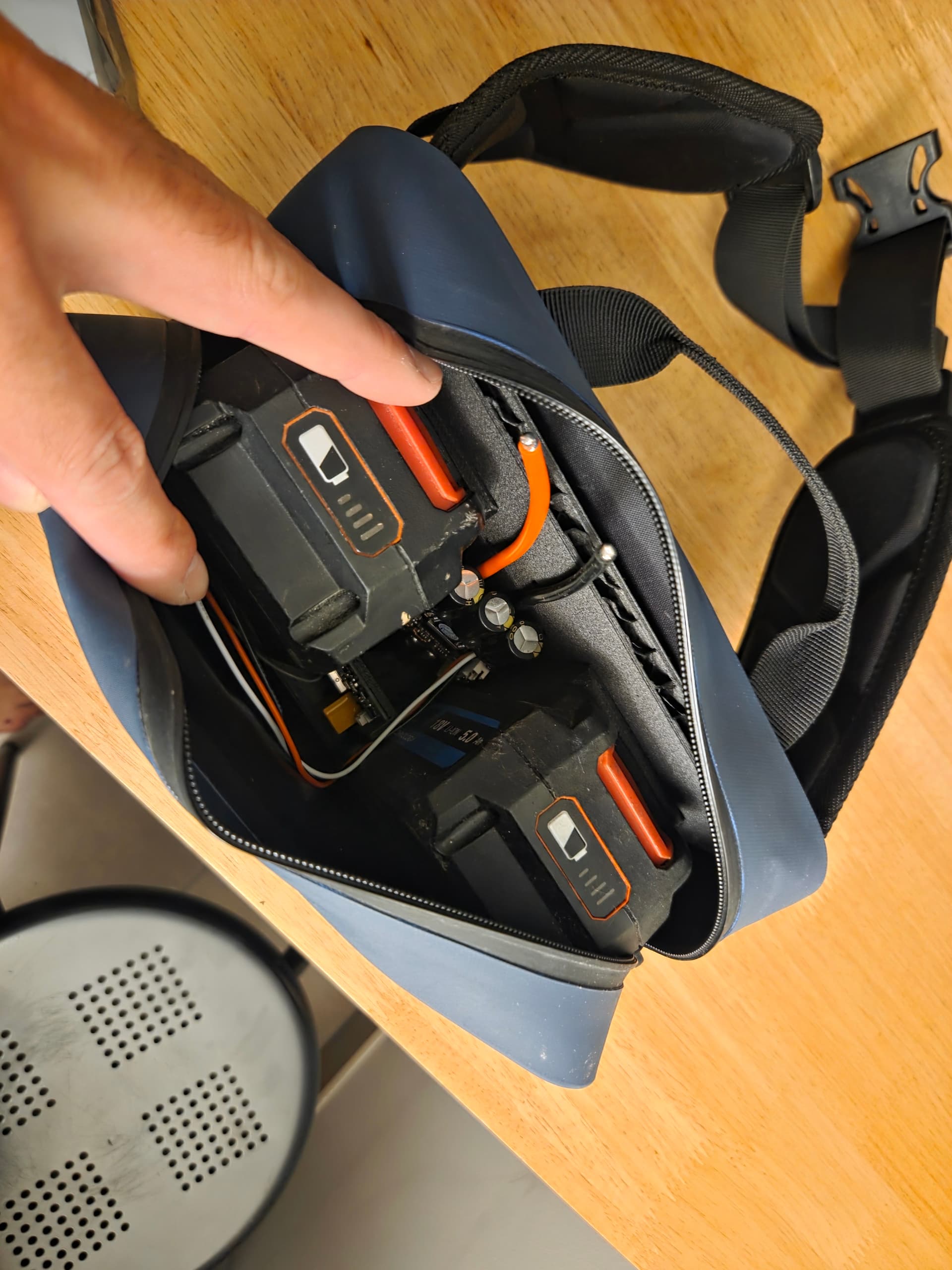
Hi, Adam, I’ve went through season 2 and 3 posts trying to understand what kind of resin you are using to improve battery waterproofness
In season 2 there is a screenshot of what it looked like general purpose epoxy (green metal can). I haven’t tried yet and have only been reading, but from what I understood the hard epoxy can prevent/affect natural cell expansion during the pack heating while being in use.
What’s you personal experience with that, have you swapped to different methods in the recent past?
I’ve found that from what it looks like an industry standard is to you use temperature resistant Polyurethane that cures semi rigid and is often has good resistance to fire.
Here a couple of products I’ve found this morning:
This prevents the epoxy from going thermal during potting. However you are right, it gets pretty rigid and hard.
I potted up to 3kwh pack with 3kg of epoxy in this way, and 7 assist packs in 12s2p and 12s1p.
I think you are right and that a specialized PU encapsulation resin would be more suitable.
Cylindrical cells should have very little expension, but they can still vent under some conditions. I think this is still quite safe for small packs, and the mechanical and waterproffness strength ougthweigth the other risks. I would not do a big pack again with epoxy.
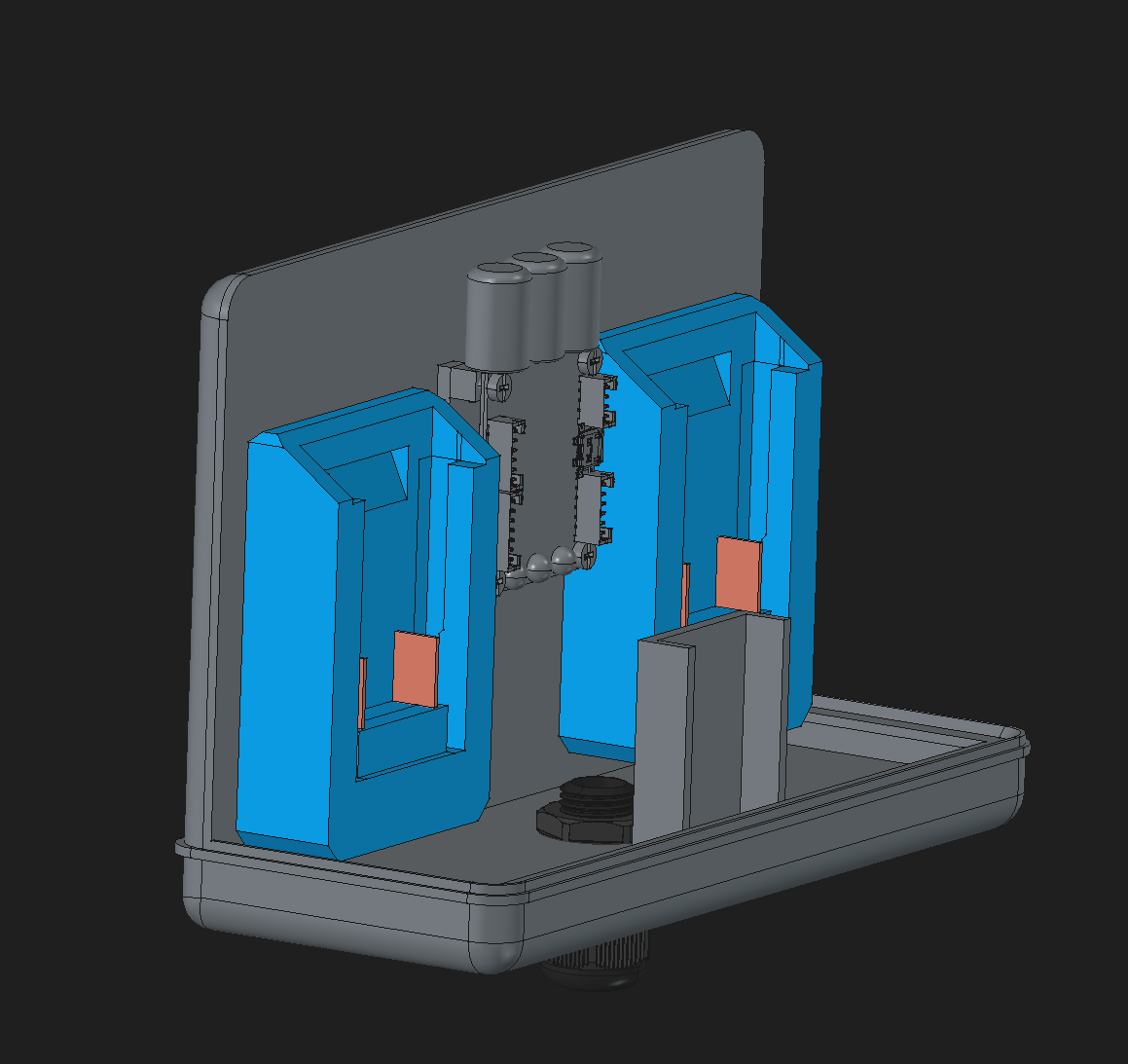
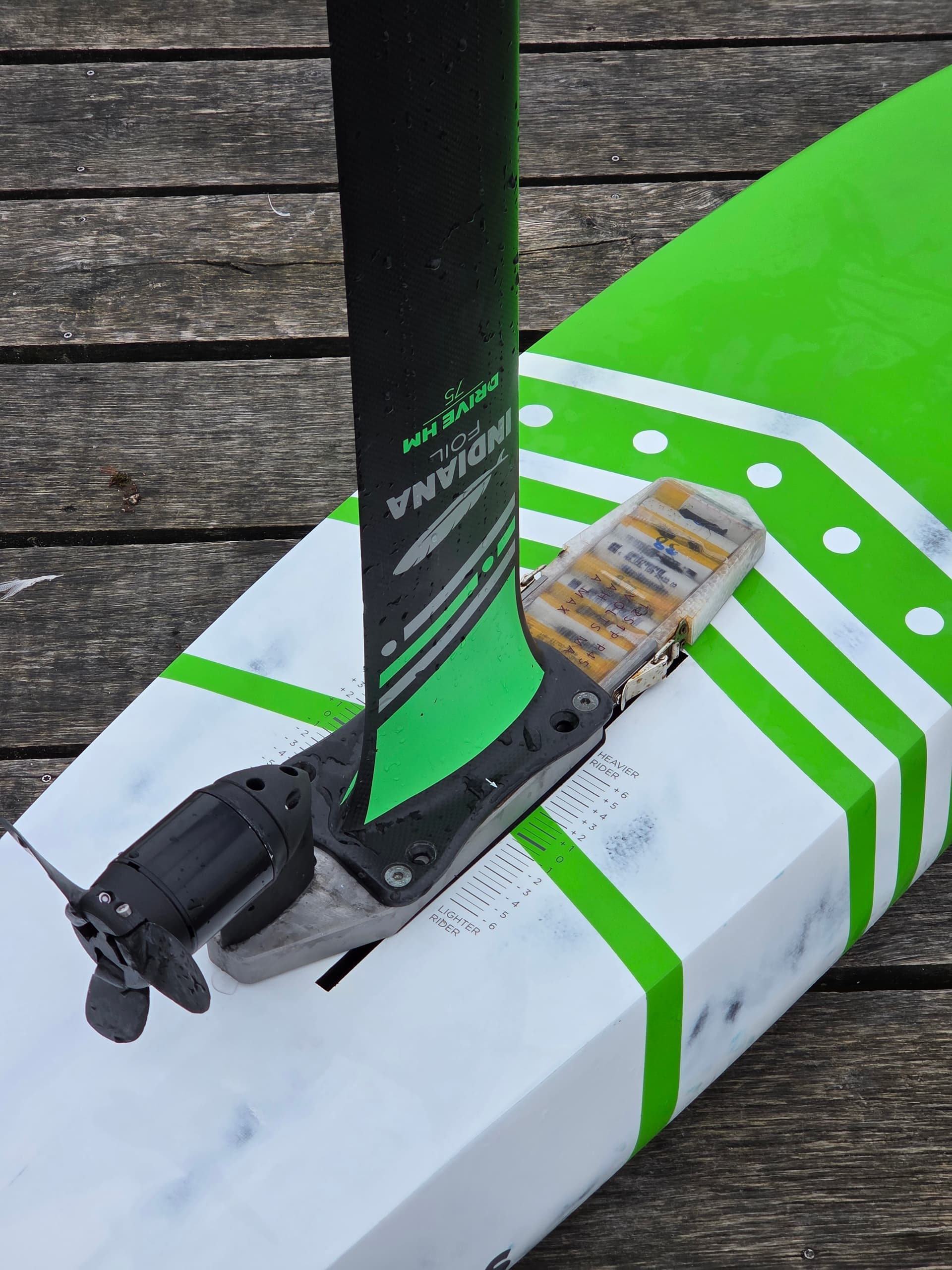
Then I will do a plate under the mast that will be used to fix the phase cable and the pod.
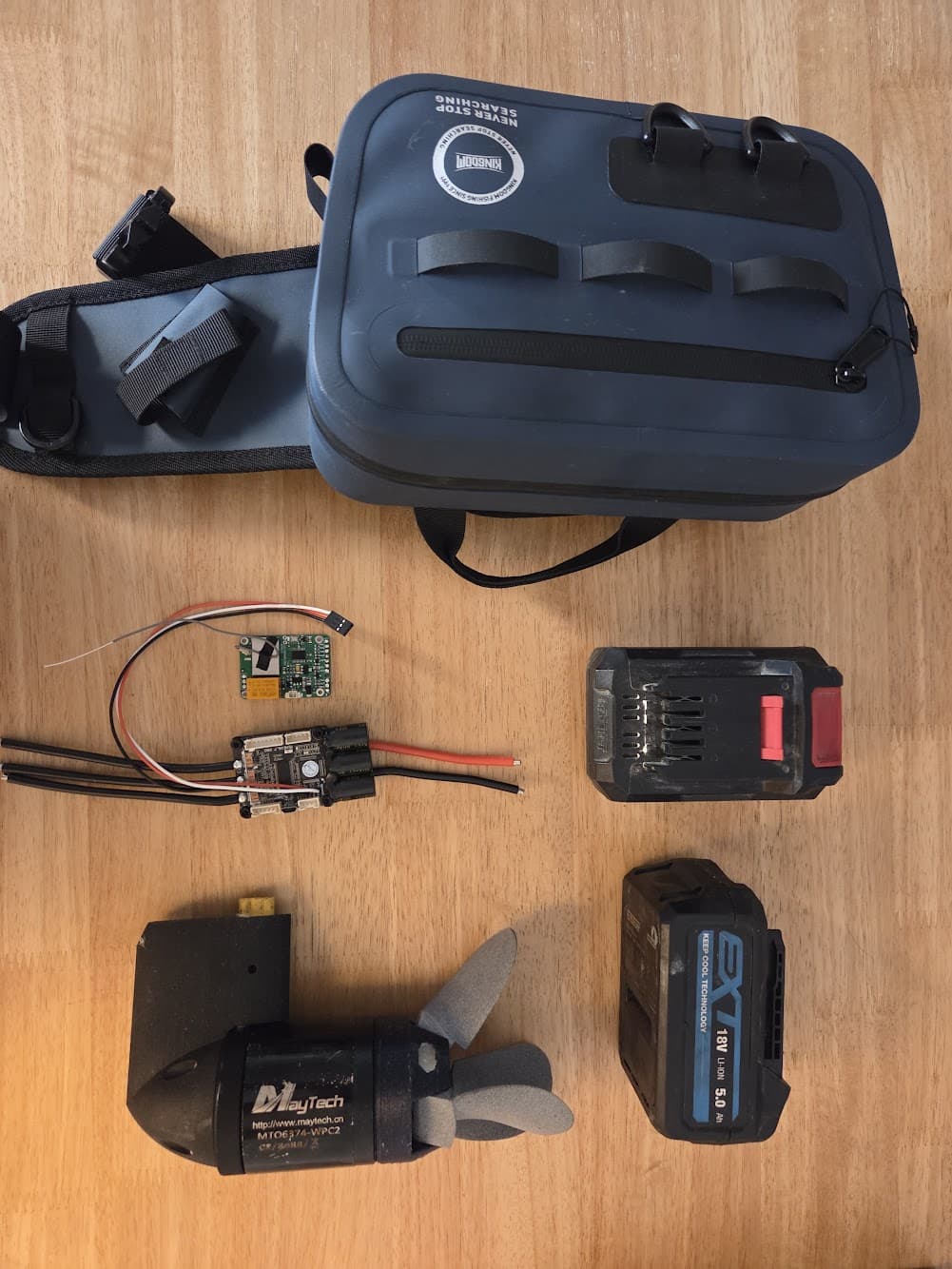
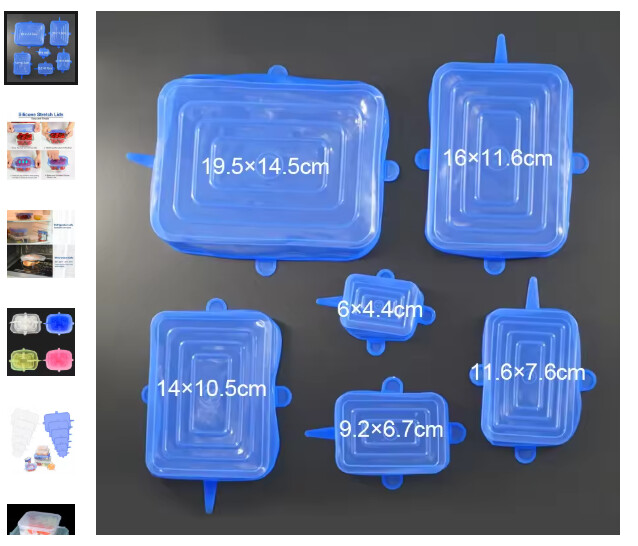
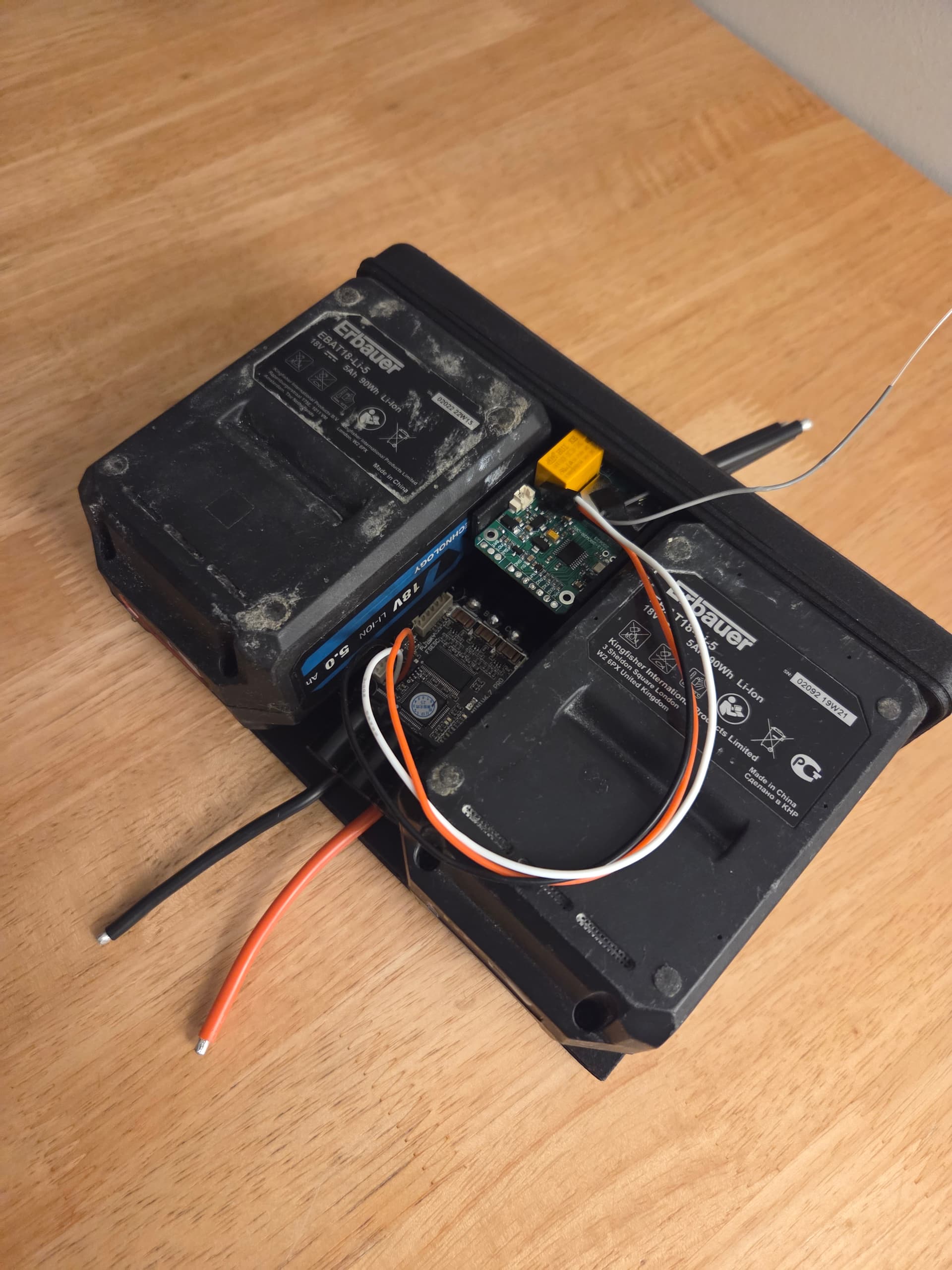
This is pretty simple, but I dont know how well I can expect the bag seal to hold under crash or wipeout situations. One of the ideas is to be able to use a silicon tupperware lid as extra safety, going over the whole assembly inside the bag.
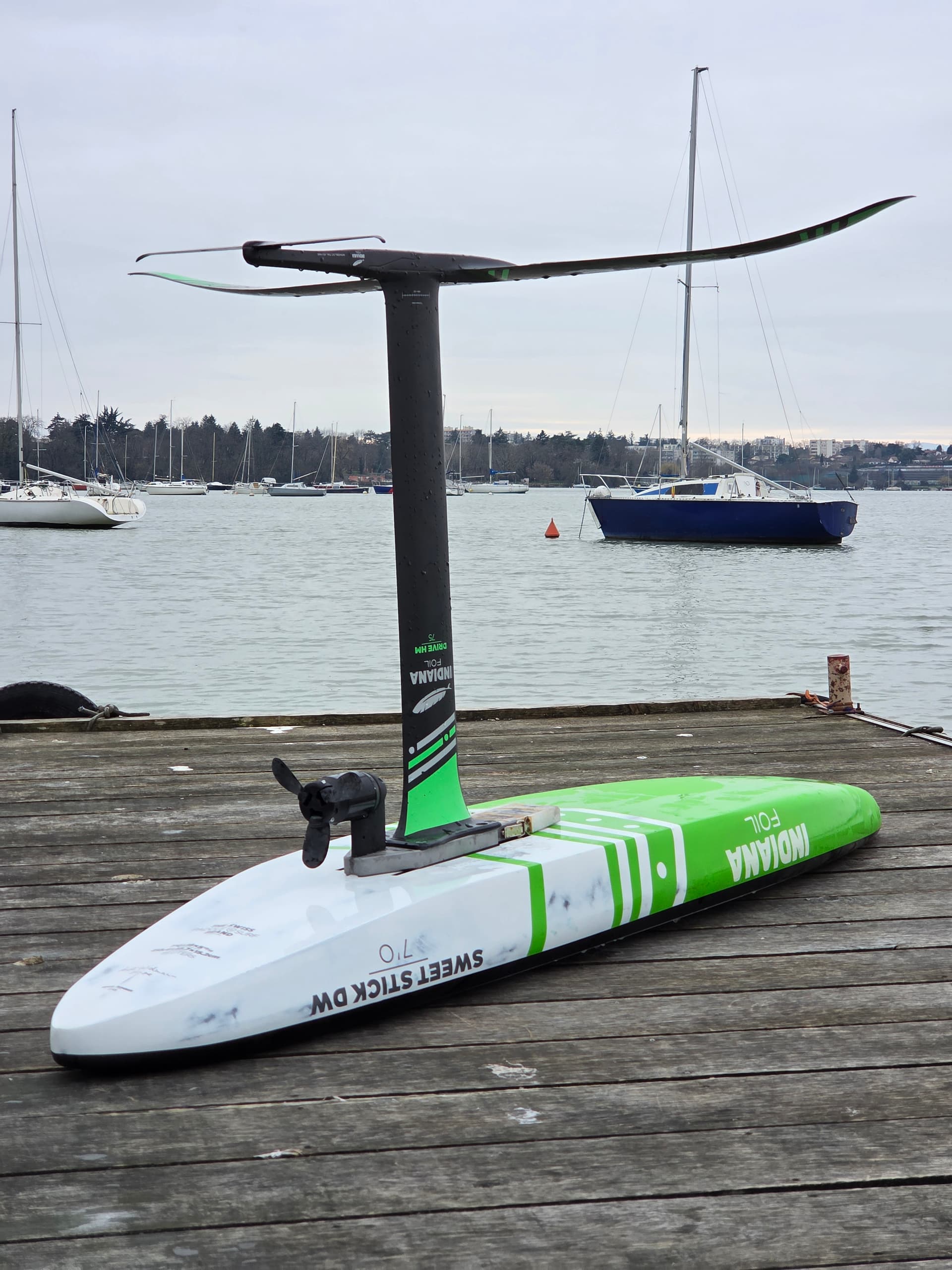
The flipsky 6.7 pro is an experiment, it will likely be underpowered, but with a lower pitch FD style prop, it may be workable (maytech 6374 for illustration purposes only!!)
Hi Adam,
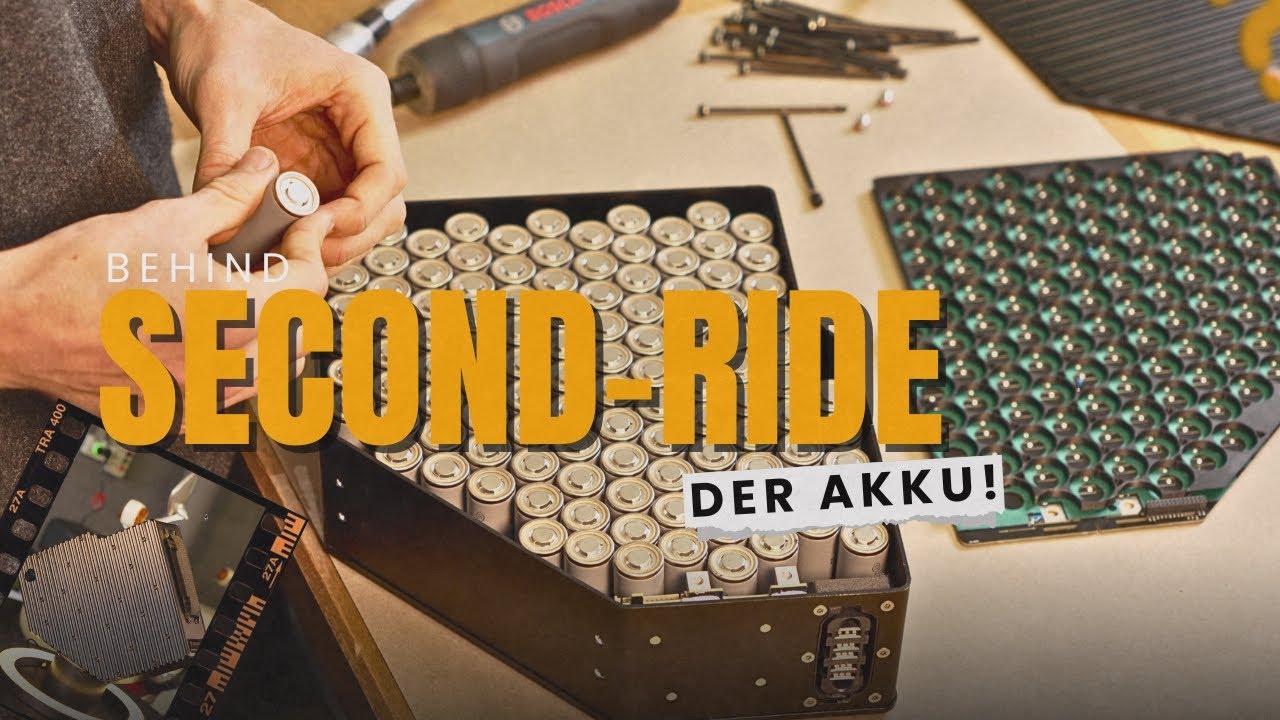
I stumbled across this video about an e-bike battery pack with essentially the same idea.
Two ideas you could use as well to save some space in the width of you pack:
Contact the cells + AND - on the button side of the cell → this would completely eliminate contactors an insulation at the other end of each cell
Use a PCB to combine the spring and the contacting function in one part
Also the idea of @windego is quite smart as you reduce the area to be sealed from 252mm down to 63mm in length. The only downside is now you again have one main pole on each of the far ends of the battery, when using three strands of 4 cells for 12s1p.
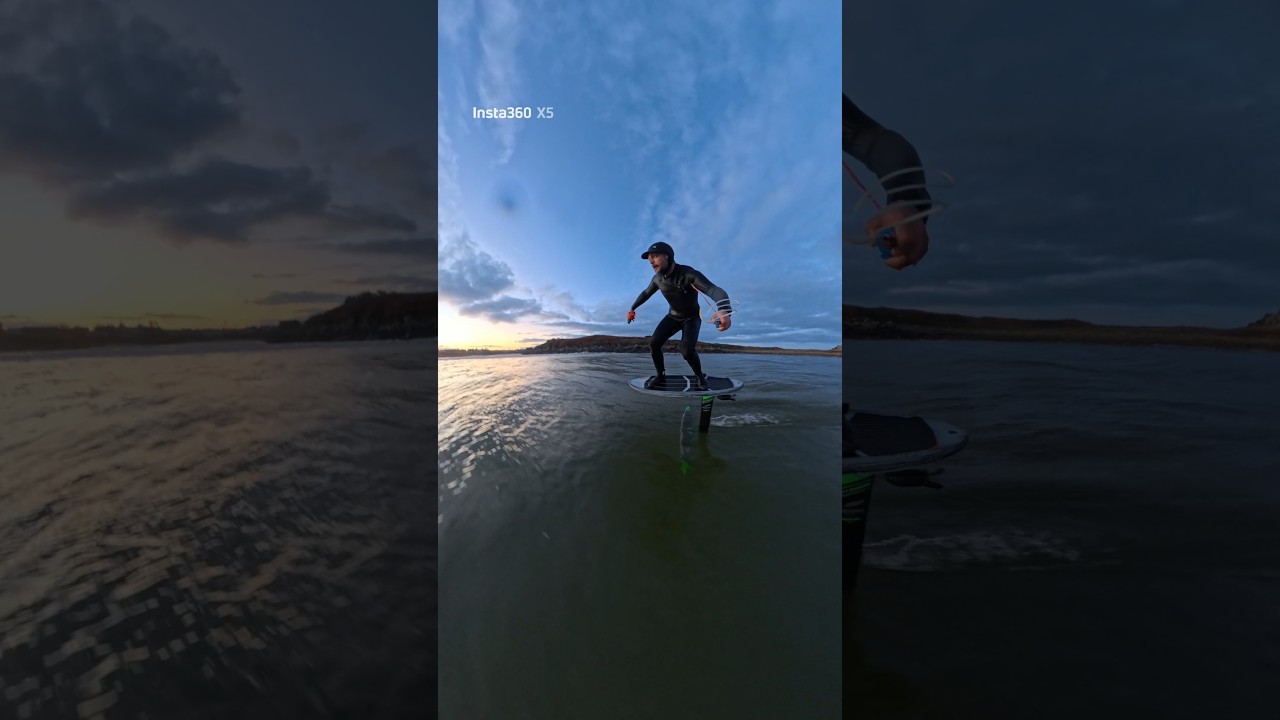
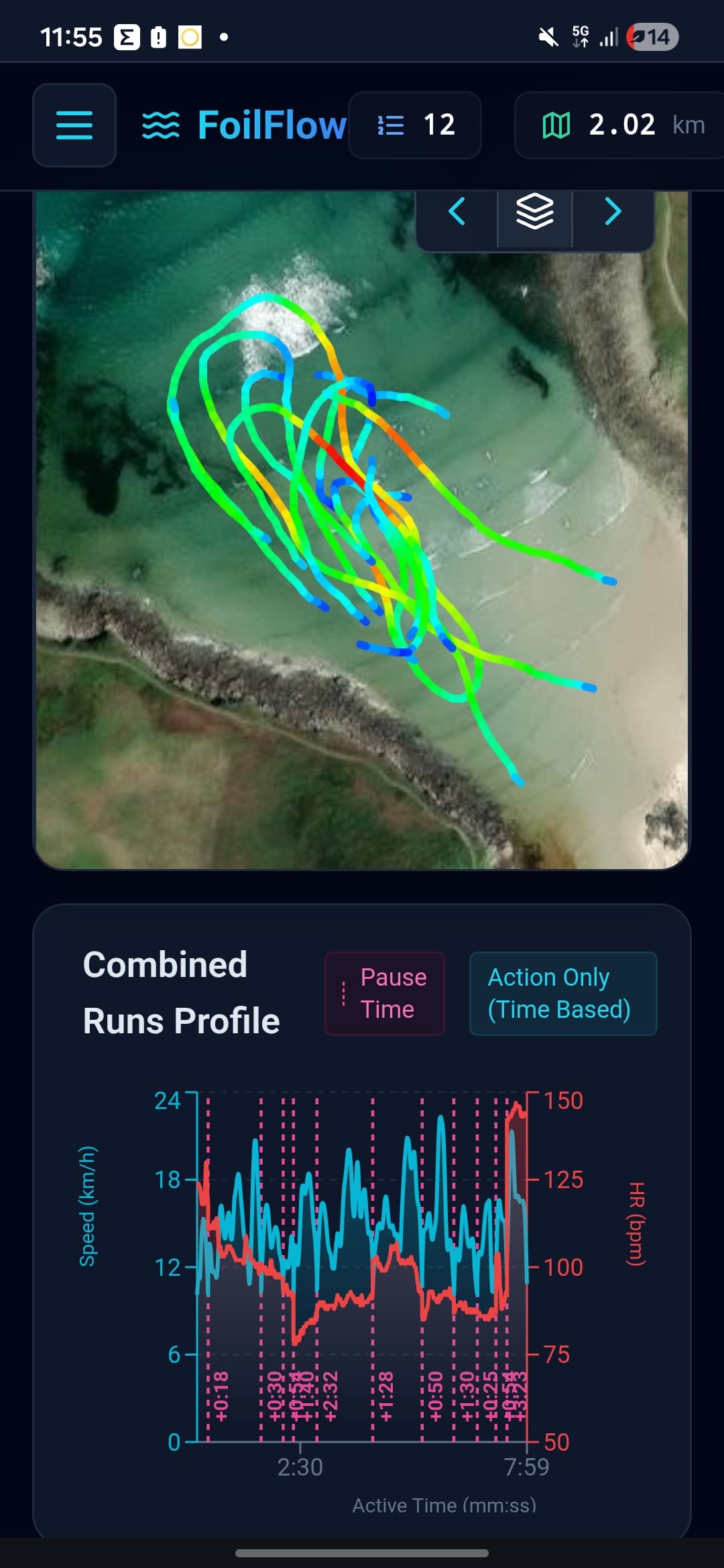
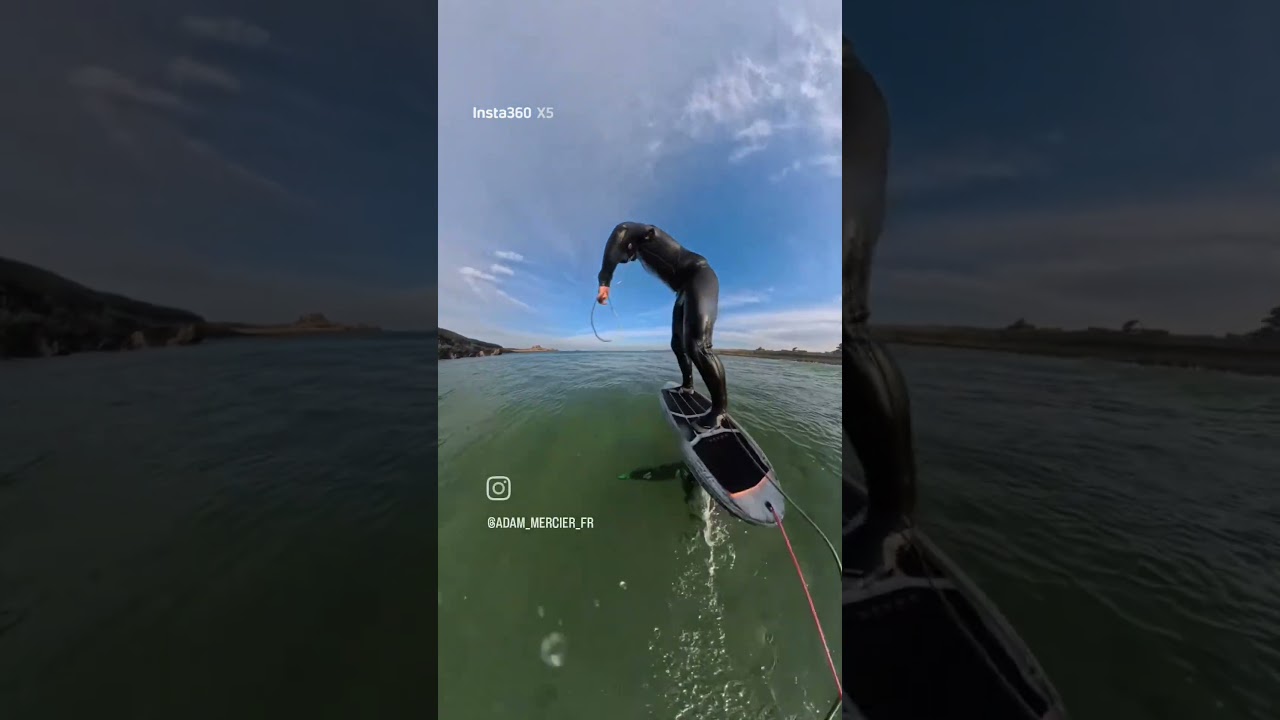
Last sess of the holidays, 30 minutes in the water, 10-15 waves, battery was not empty at the end but tide was getting low and waves were almost non-existing. Water temp ok at 13c but air 1-5c
With river and waves current and 25kt wind gusts, the power was a little lacking on the 40 or 50 battery amps I have now set. My carbon forged prop also works not as smooth since I dropped the motor and damaged one of the blades, I will make a new set when I get the motivation.
I was in morocco for one week and did not bring lithium due to airplane restrict.
After some sucess during winter in sup, I decided to go on sup foiling and skip the battery assist.
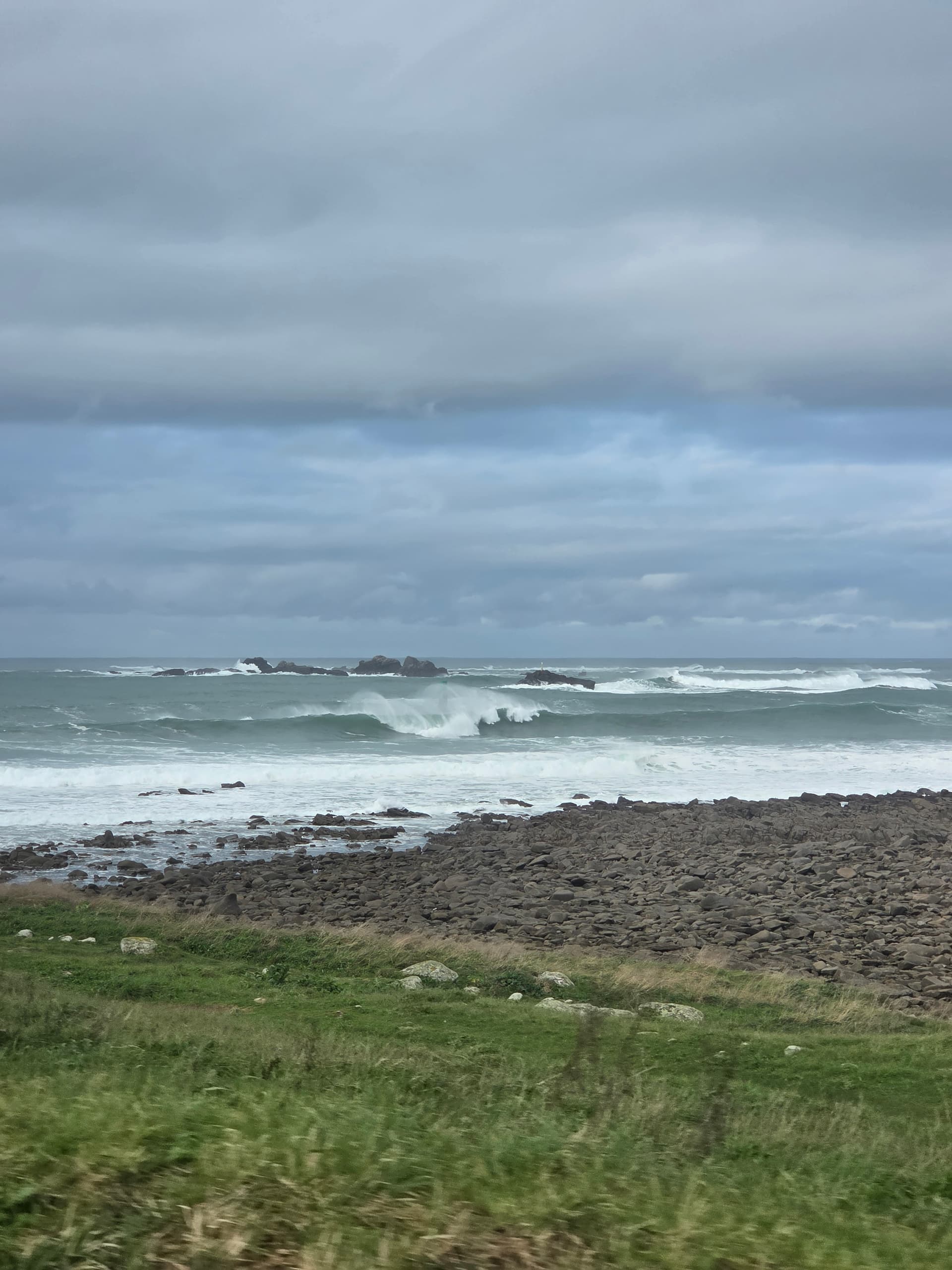
The waves were huge due to atlantic storm, waves 1.5-2.5m fot the full week.
Tried to go with paddle but did not have enough stability with the small foil to do the power strokes to start far out back, would have been overfoiled on 1600. I went a few times in prone, but did not manage to exploit the waves despite being in the zone. That alone was quite physical and not so fun taking huge waves on the head and being washed with the foil
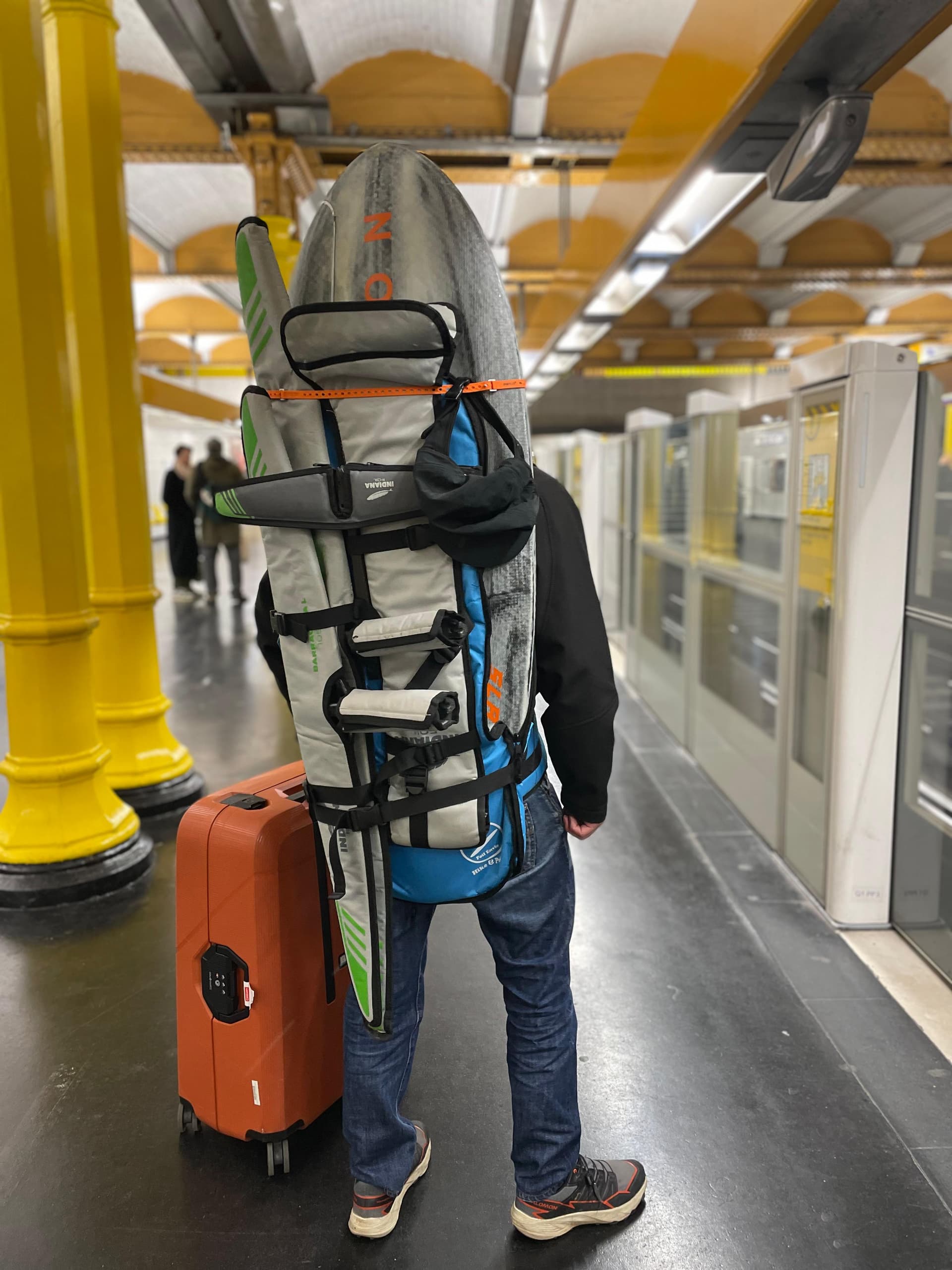
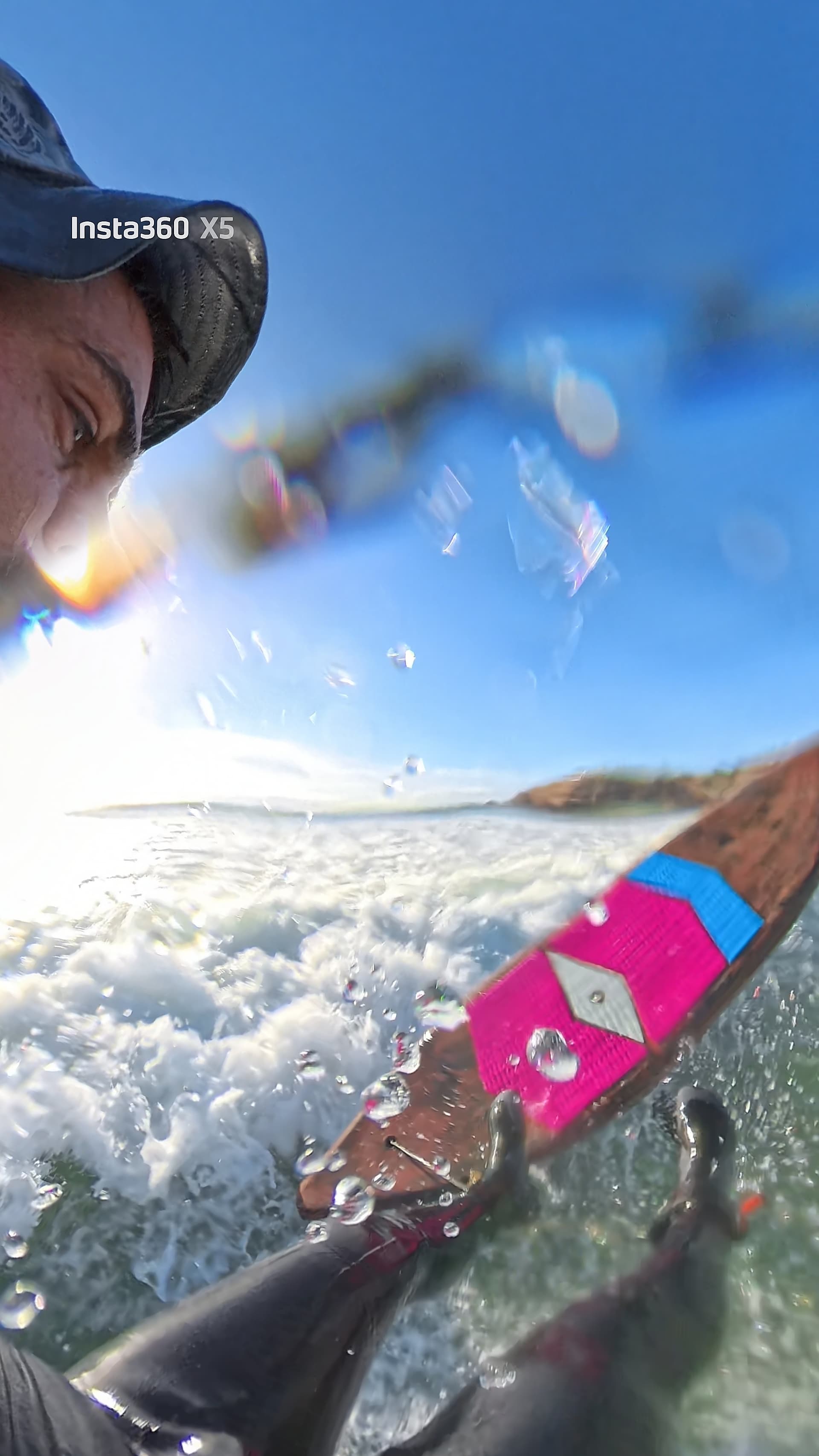
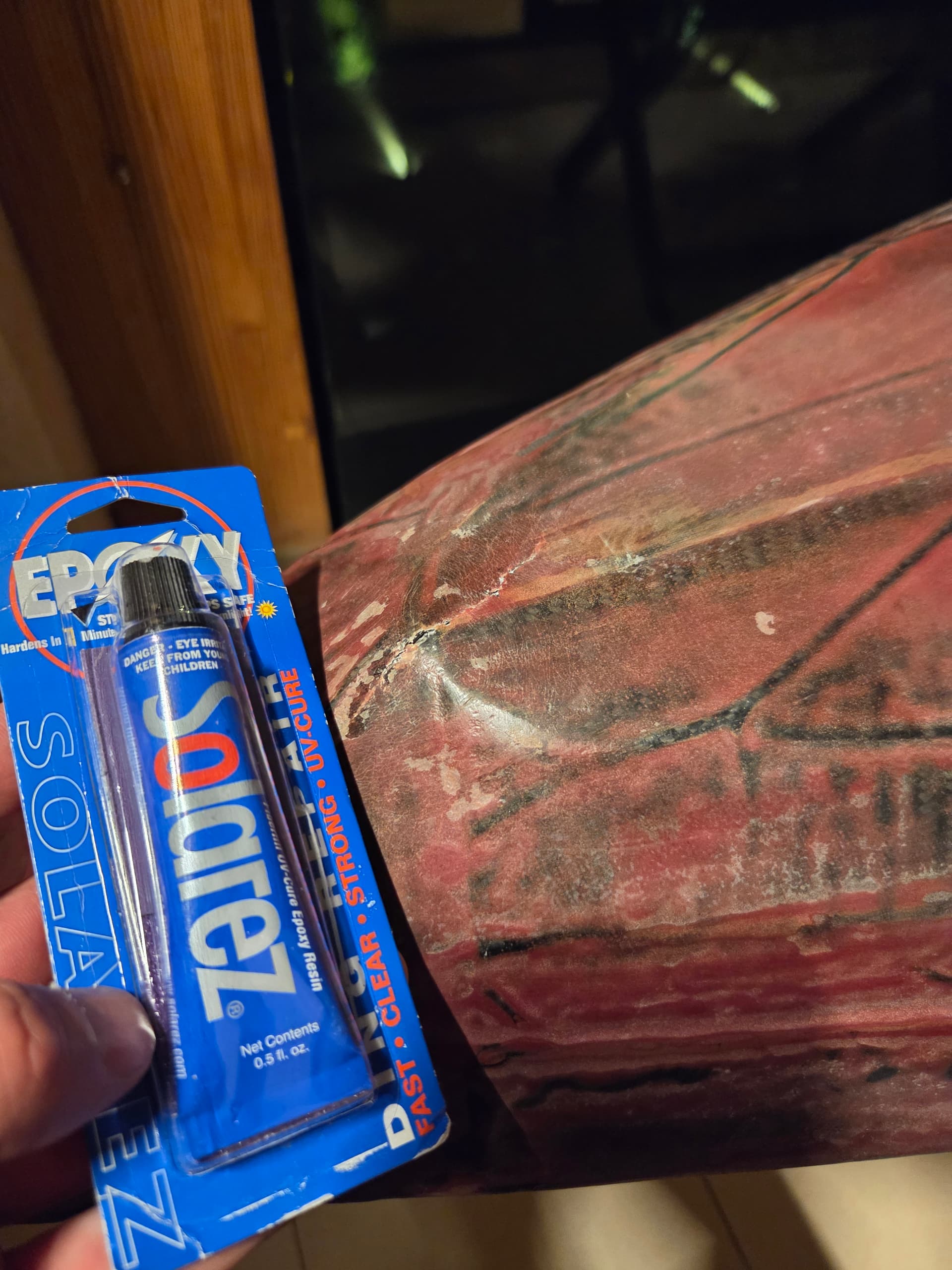
Board took some damage in the airplane, also made a hole in deck by dropping my insta camera
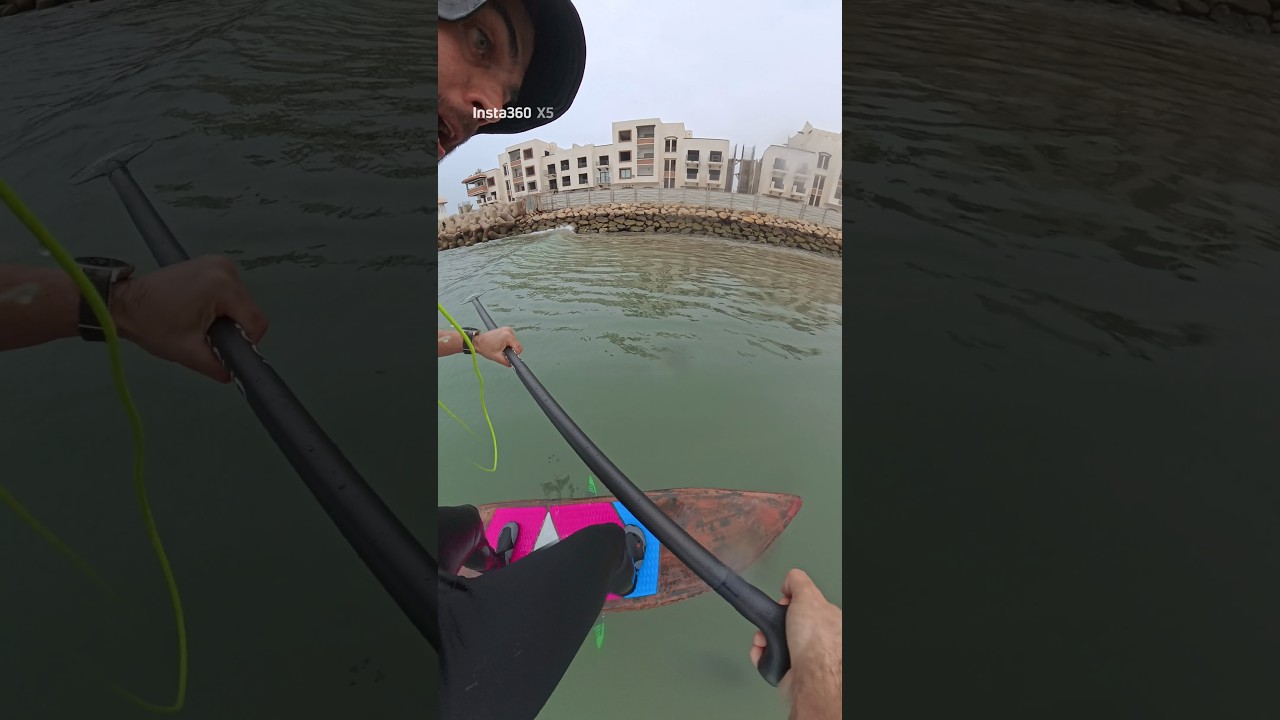
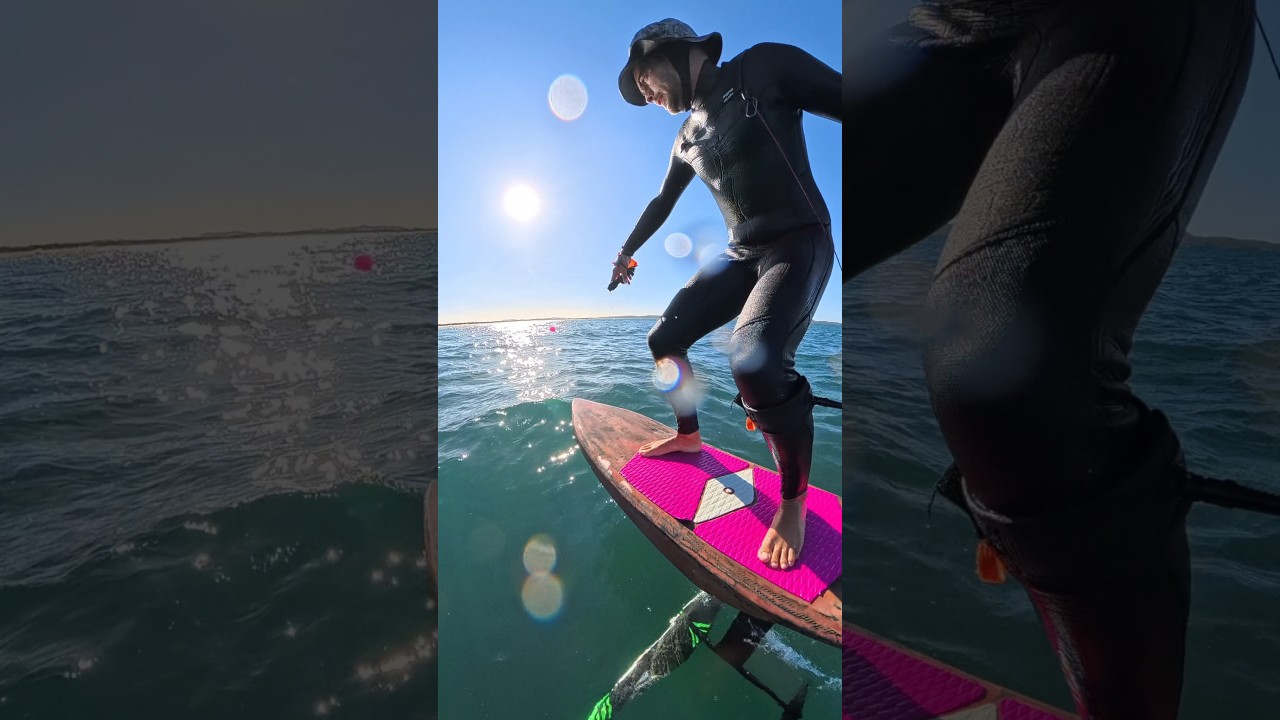
Some sucess on paddle start shielded from big waves by agadir harboor :
I would have surfed 10x more waves with the assist system.
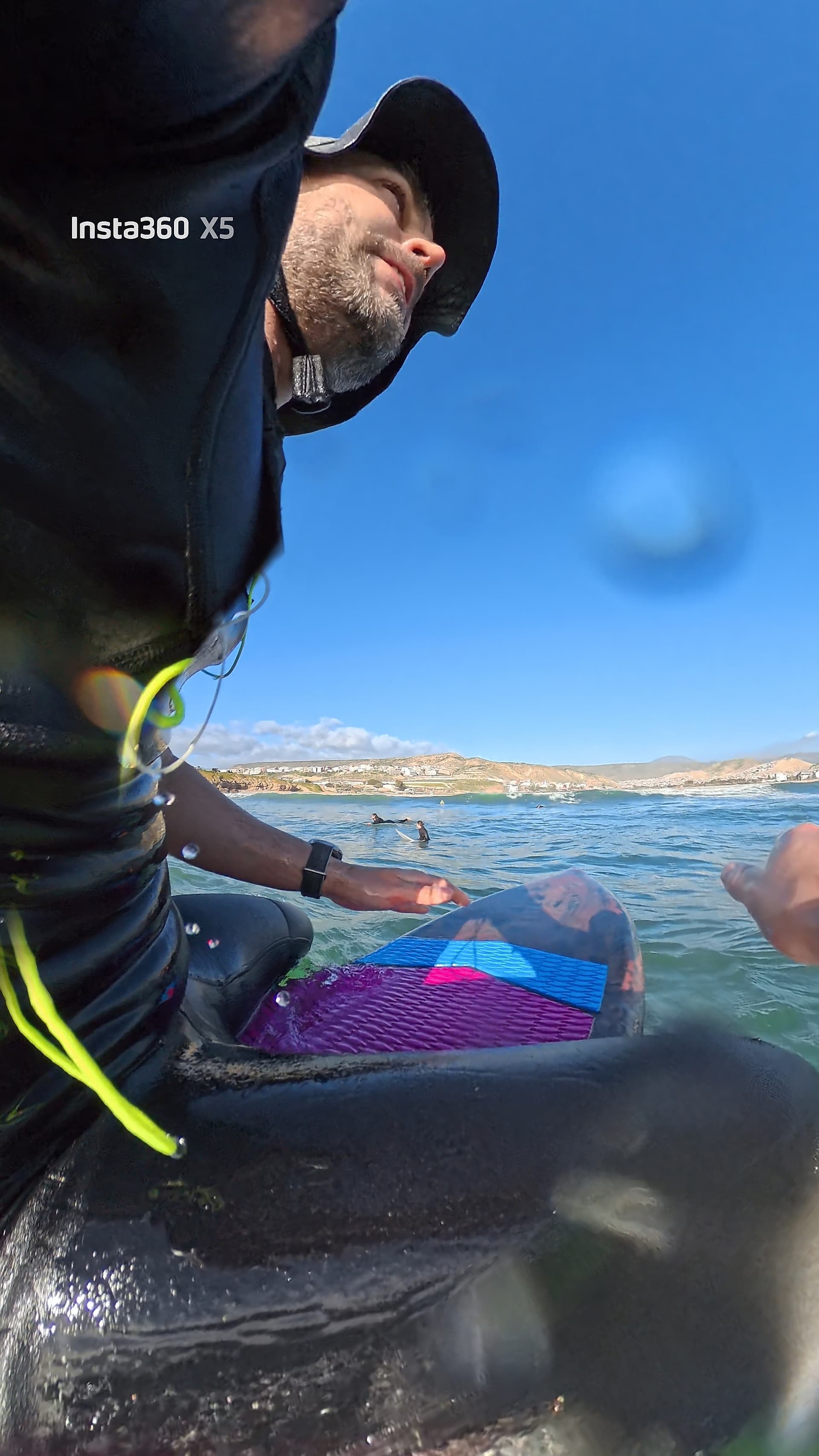
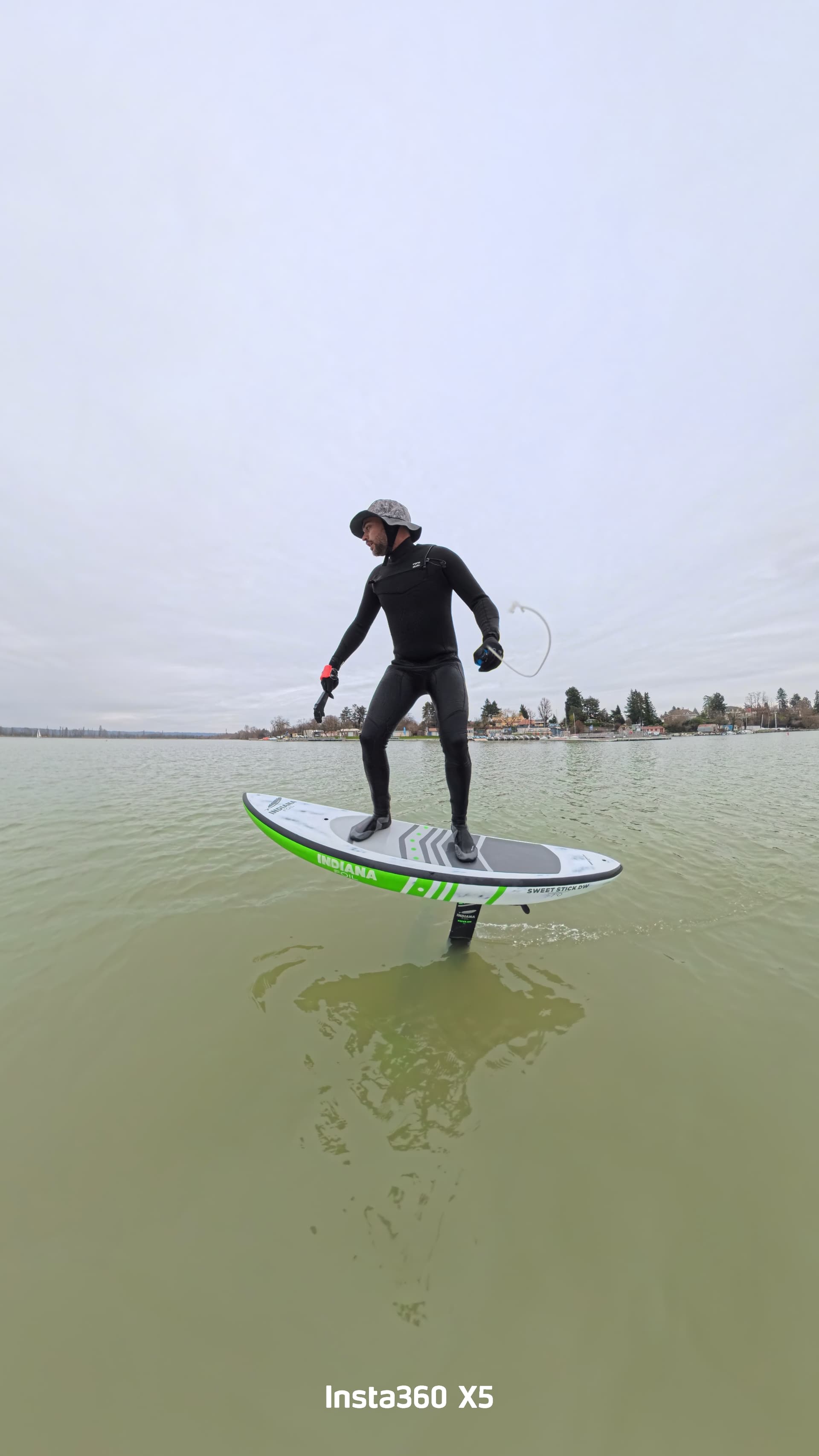
On the way back my board took more damage, and I decided to pick a new board from indiana as I have influancer prices now
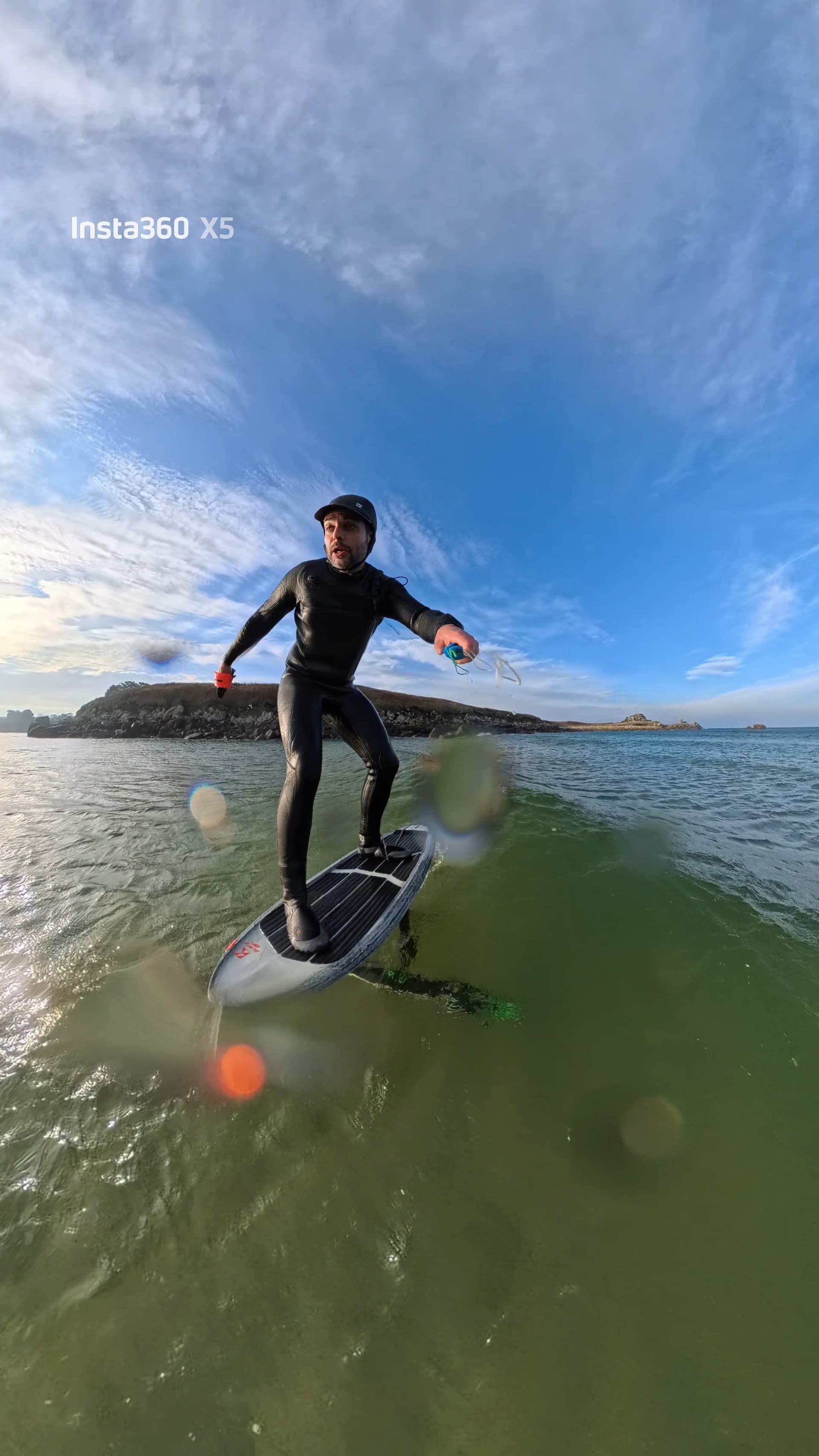
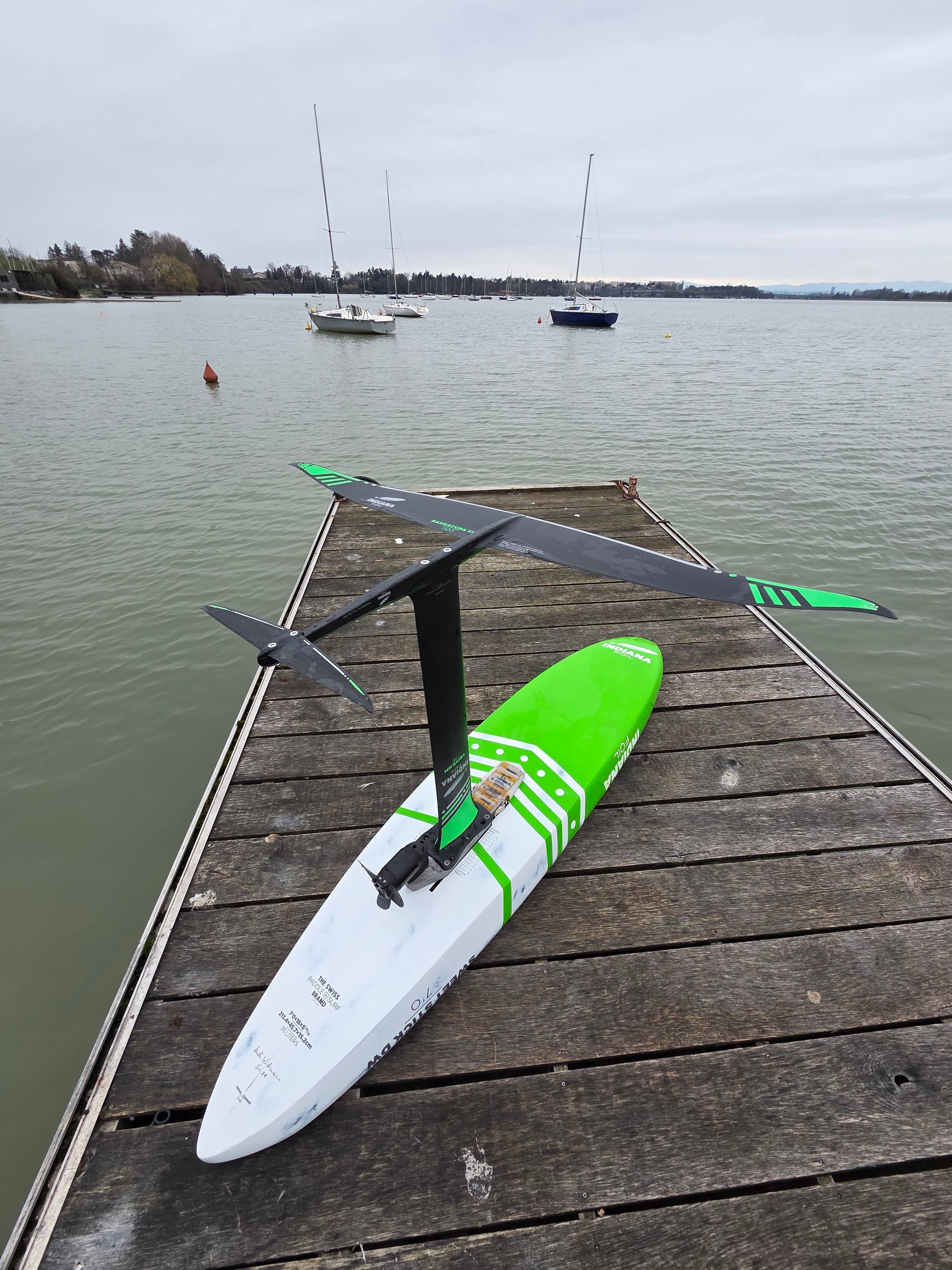
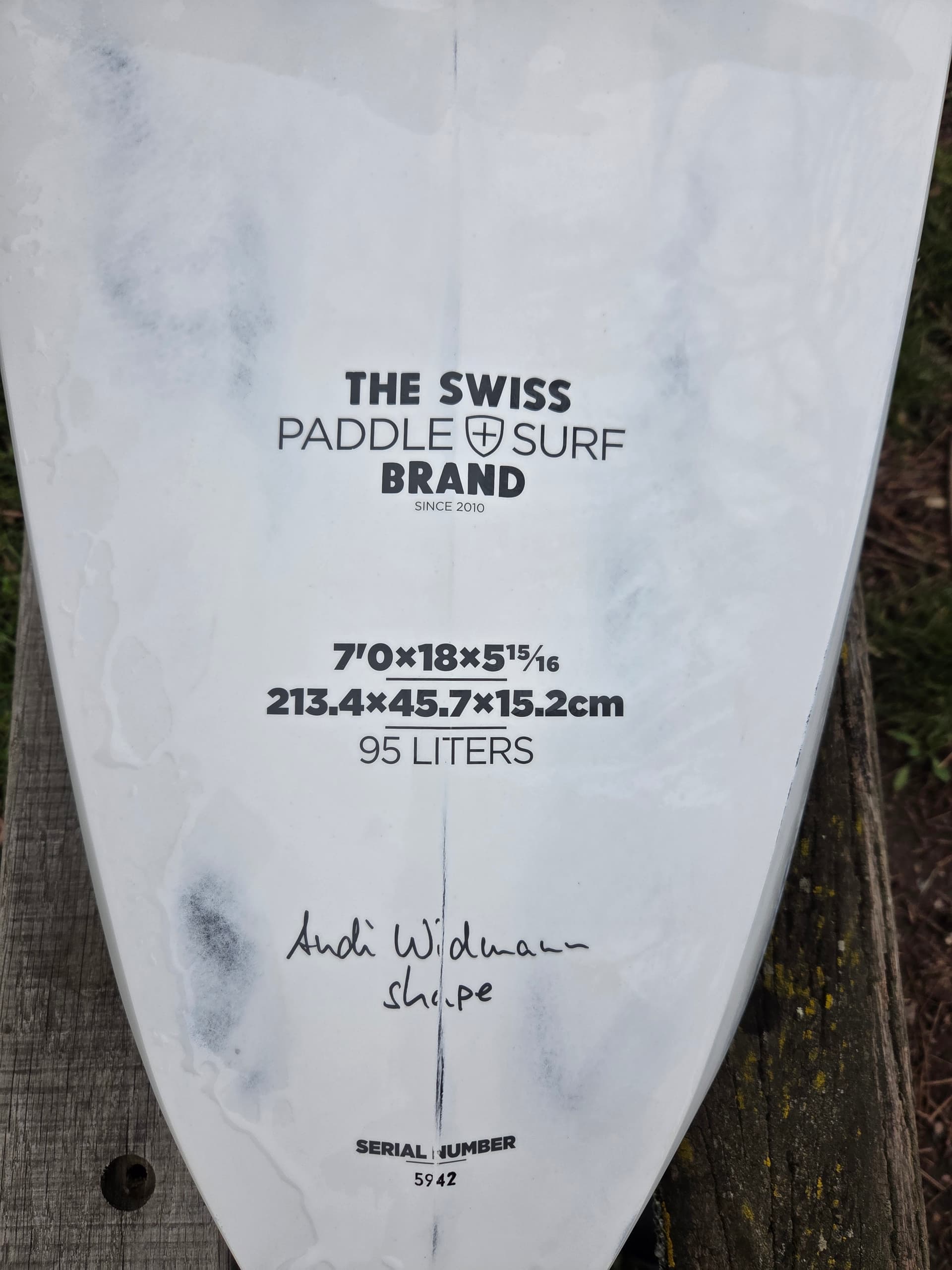
Shape is more efficient and actually the lower width is not really and issue for stability. Board feels rigid and pumps well, slightly heavier than my custom.
It’s just a compromise you have to make, super high motor costs for upwind. Either lie on the board and chug along or try to keep the board on the water and skim. I’m at about 13cm motor centre to board and it’s perfectly fine. Going up wind is always horrible imo.
Internal cable with mini pod on Axis alloy mast seems to be best option for upwind compared to my setups on carbon masts no matter how many different ways I try to clean up trailing edge around the cable. I’d rather surf the carbon masts so put up with the ventilation.
Guess that’s why internal cable carbon mast is such a thing.
Hats off to Bzh for trying different options like motor behind mast
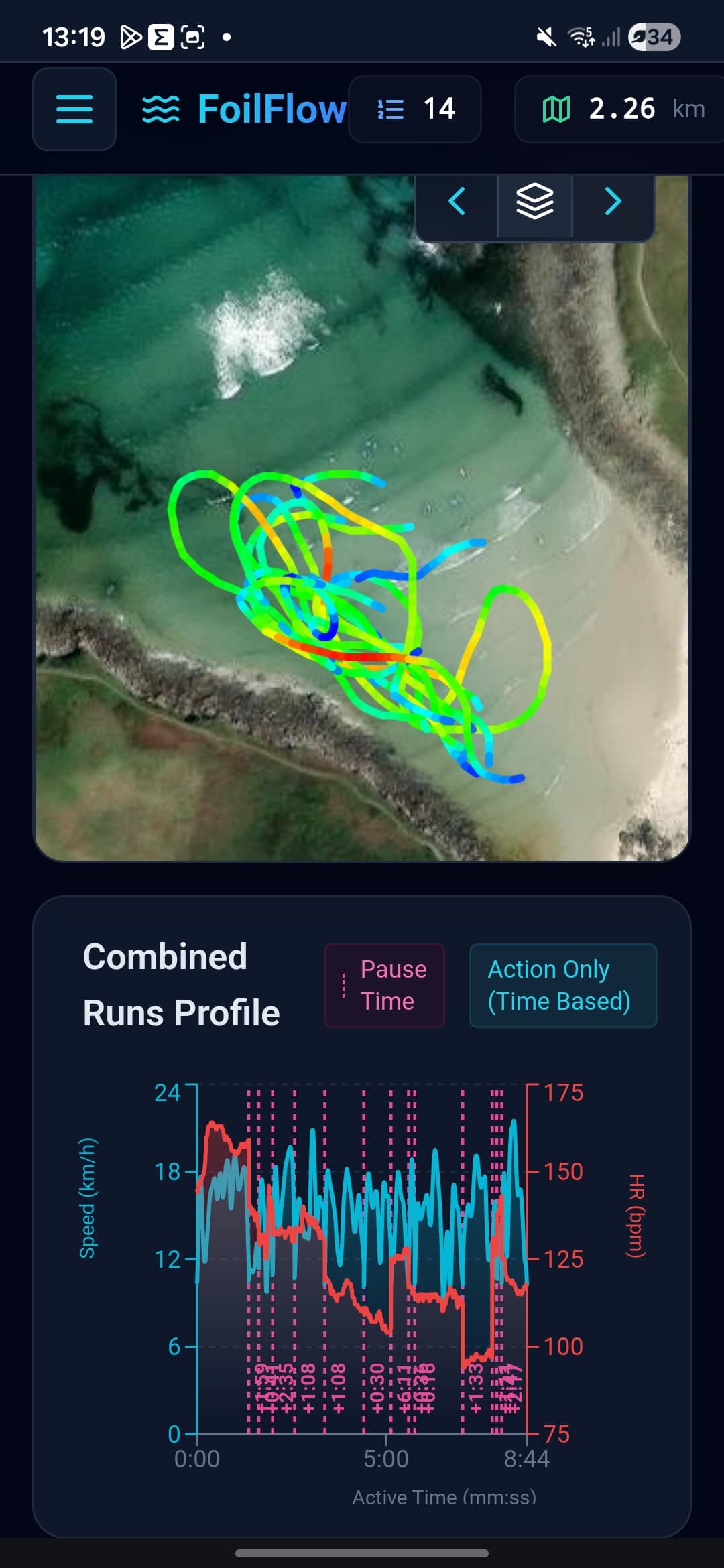
It is quite hard to be efficient upwind in the chop , for ex in this session, With wind and high motor, I could not stand up and upwind, only laying up or kneeling on board.
I would not go back to a lower motor, for pumping, it is very nice to have weight very centered and prevent touchdown.
I tried with 6cm distance prop → board.
Even with clean water I had crazy ventilation at times. But I think it is the same issue I already experienced with my tow.
The pipe for the wires to the top of the board is not airtight on my build and I assume it pulls down massive amount of air.
I pushed in some wet paper kitchen towel into the tube and it already got workable.