I am using about 120A motor current when foiling (= constant current) on a 13S battery. On 10S you would need 160A motor current to reach the same power. The normal (120KV version) 65161 is only rated at 60A, but according to AI the Rated current increase to 100A if the KV is changed to 200KV. If you choose a 65161 in 200KV you are using 60% more amps than it is rated for. I can not answer if that will work in the long run - but to me it sounds bad.
The rated current for 70165 in 200KV version would be 125A. With my constant load of 120A (on 13S) that is fine, but with 10S you would push 35A to much. 35A “to much” is better than 60A “to much” but you are still using more than the rated current.
The 70165 also have more torque (because of the 5 pole-pairs - compared to 3 on 65161).
My feelings after some more time on the board:
I can not really feel any difference when riding. I dont think it is more stable or anything. Except for the increased safety the only plus is that I can ride higher up on the mast and it is harder to “breach it”. The negative is that it drains my battery faster…
That’s crazy I am also on 10S and I use between 30 and 40A while riding so 120A or 160A that’s would drain the 2.2 kw battery in minutes and the wiring would not handle this kind of current for a sustained period of time. This is not a viable solution. I can get over 1.5 hour with thew Flite prop if going slow and over 1 hours going around 30 km/h. 2.2 KW is about the size of the biggest battery from any of the brands out there and their jets can last at least 45 minutes so this leads to the conclusion the Flipsky jet is not a good solution for efoiling.
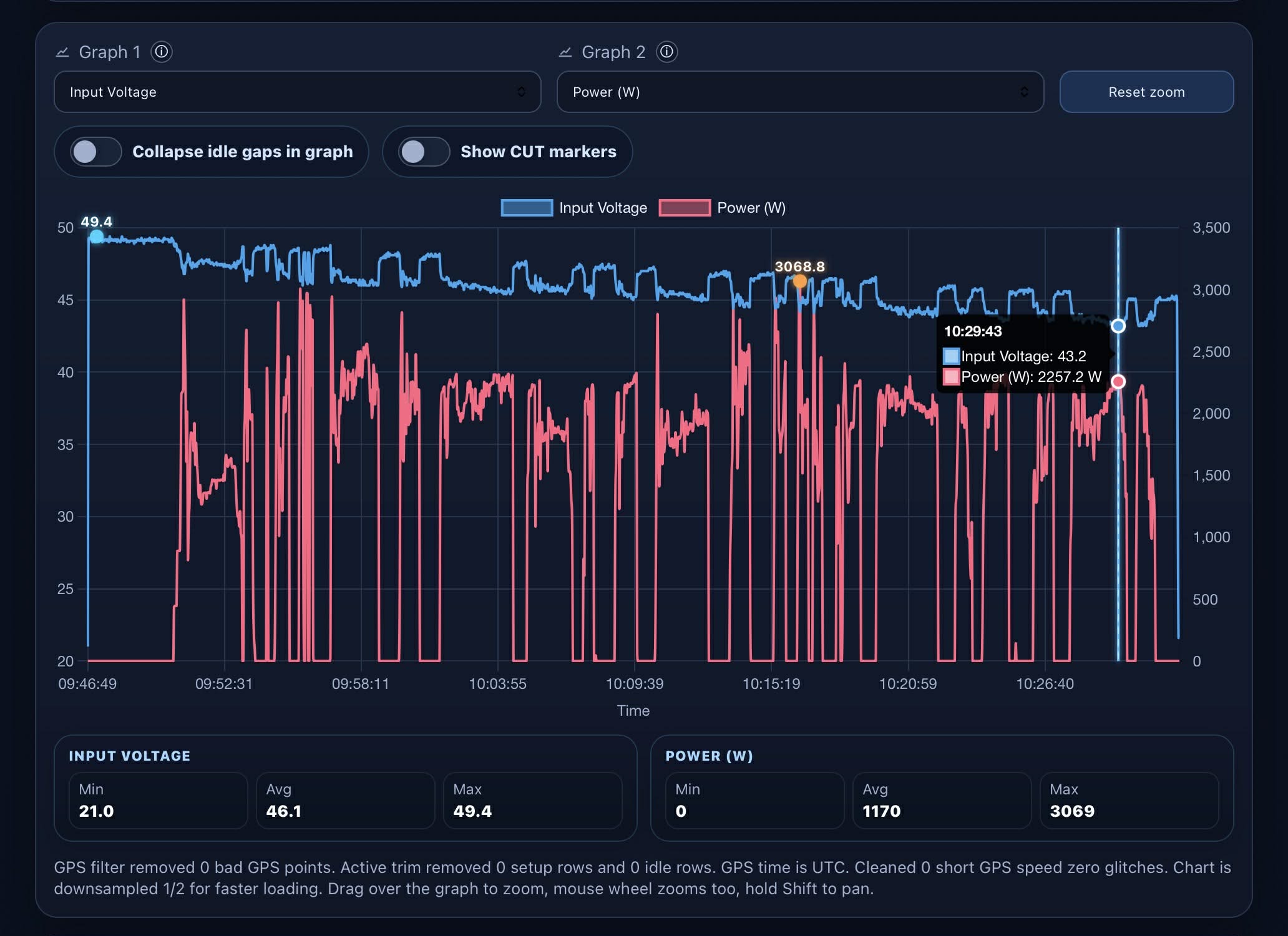
The current values I am talking about above is “Motor current”. Battery current (I believe you Windigo are referring to) is about half of the motor current.
I need about 60A battery-current when foiling with the jet.
I have been thinking about “optimizing” the jet a bit:
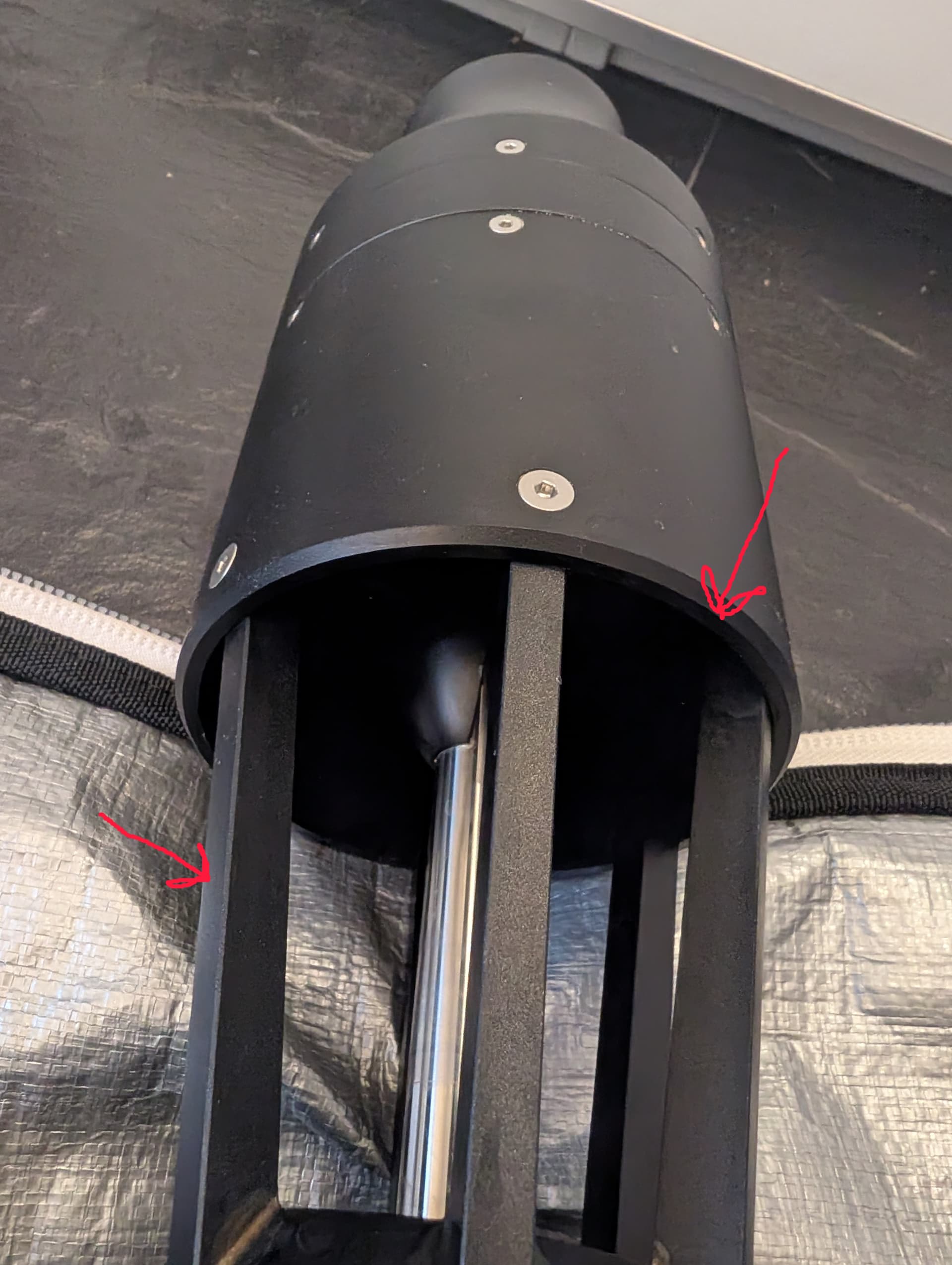
The leading edge of the jet-housing and the “legs” between the motor and the housing are very “not aerodynamic”:
I am thinking about “grinding” them a bit more round. But I dont want to do it “freehand” to make sure all edges has the same drag. Maybe a 3d printed template or something. Or make a jig for doing it in my mini CNC.
Do you think it will make any difference? Is it worth the time?
@Alvestjo I made an attempt at capturing some data from your log and if I divide W by V I get close to your 60A. I’m not very good with the motor tech stuff so I had to dig in a bit to understand what you have been saying. I would agree that the 65161 based version wouldn’t be a good choice even at a higher KV value.
You can achieve your desired foiling speed already and you know it’s not very energy efficient so would making the changes have any real impact?
Might be fun to experiment but I would be hesitant to alter the actual product. IE make some things that you can attach but remove if they make things worse.
The motor and battery current is available directly in the graph. They are called “Avg Motor Current” and “Avg Input Current” in the dropdown. Strange names. It took some time for me to find them as well.
The standard 120kv version is rated at 75A. But when changing to 200kv the rating increases to 125A because of thicker wires in the windings. That should make the motor less hot inside.
I have not connected the temperature sensor yet but i can try to do that later to confirm.
I’m trying to come up with a reason for this. I think this happens when a prop gets to close to surface and cavitates - less thrust and you drop off foiling.
Jet I think has smaller diameter than prop so that might account for some of the height difference but it also takes water in differently so perhaps is less likely to cavitate