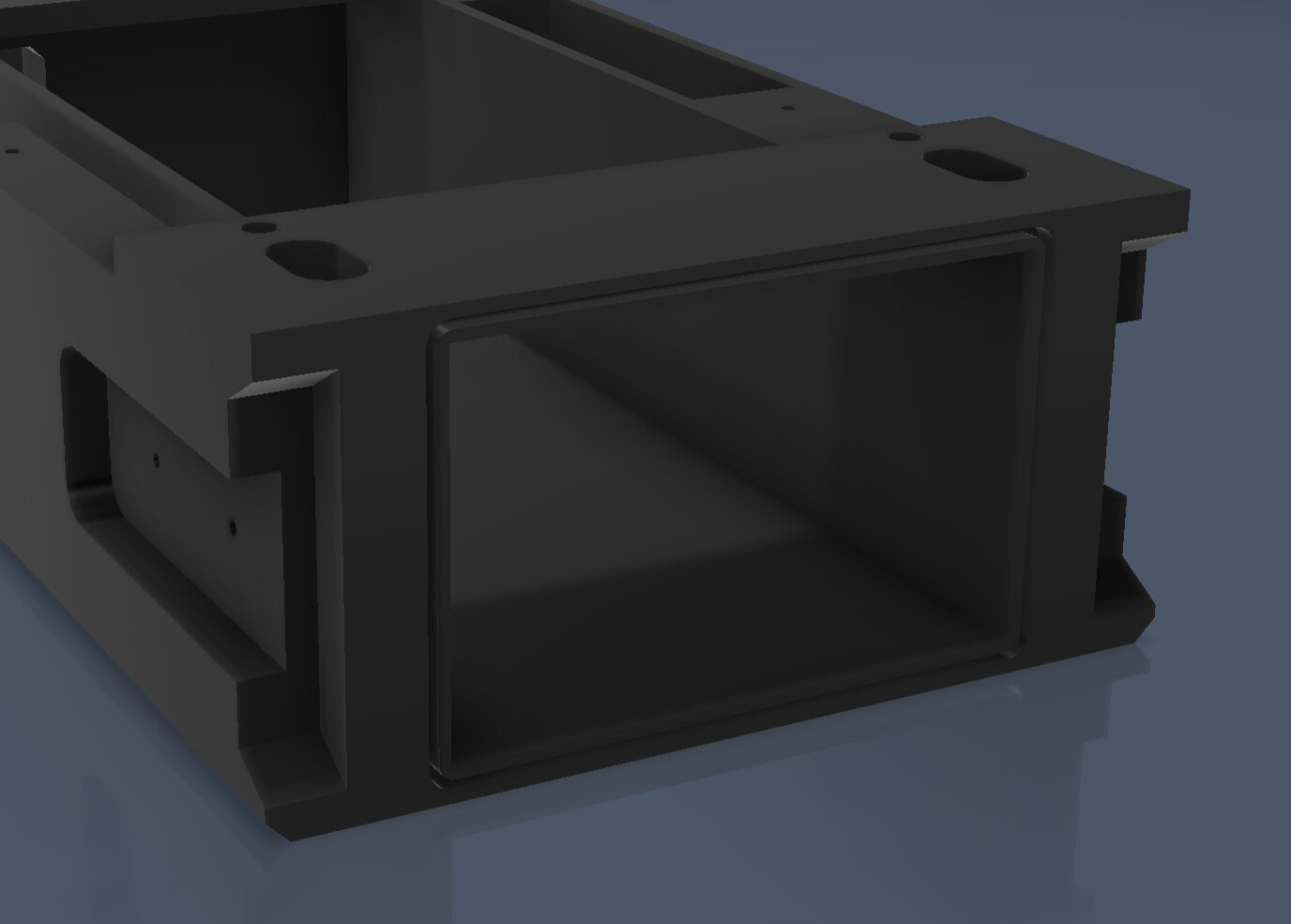
Struggling a bit here with the last part of my build puzzle. Specifically getting a good seal between the nose cone and the rest of the housing on an under board build. Tried a bunch of design iterations. My first path was designing custom fitted gaskets in foaming TPU but they don’t seem to great good surface seals. Next up was gasket maker, but imperfections on facing surfaces seem to let water in. The closest I’ve gotten is gasket maker surfaces with an EVA gasket. EVA on its own wasn’t great either.
Anyone have any tips or insight here? Everything else works great and this is the last part of the puzzle that I’m having a hard time finding a good solution for.
Try to go for an O-Ring. Compression of the ring (counts also for surface seals) should be between 20% to 30%. And you need to give it space sideways to compensate for the compression.
Anyway you go (surface seeling vs. o-ring), you will need to make sure that the surface is not too rough, in case you are thinking of 3D printing. Chances are that when you reach the allowed surface roughness your already tested seals will also work.
The allowed surface roughness for o-rings is also defined in figures under the link below.
Interesting for you might be 2.2.2 with figure 2.6:
(In case you are german, the figures on the german page are larger)
Wow. Awesome. Thank you. Another corner of knowledge exposed through this build
Somehow missed that post on that other thread too. So I’m now re-ingesting that thread.
My initial hopes were that: I could coat mating surfaces with a flexible albeit sealing material. Such as gasket maker or similar. Allowing the liquid state to flow into and seal gaps, and then compression between flexible surfaces would seal by nature of their flexibility. Didn’t seem to be the case unfortunately. It seems the materials don’t flex enough on a broader surface (as compare to a concentrated o-ring area).
There is something to be said though about combing a thin amount of flexible sealant with a super flexible flat surface gasket made of something like EVA. Still seeing some ingress, but not sure it’s from this “seal”. Running a few more tests. Fun to learn and being patient on this build before taking it out on the water.
The EVA has worked for my system on the parts that don’t come apart the main housing, with the silicone oring for the cone/battery cover i found the eva was not the best for a repeated compressions.
When you coat mating surfaces with soft material you introduce a problem. Due to both surfaces becoming soft they can not build up enough pressure between them to keep water out.
You can coat those surfaces with some hard coating and then sand them to get smooth surfaces. Then put one sealing between those surfaces.
The softer the sealing material the more imperfections in the surface is acceptable, but the less water pressure it can hold. As we are using it for our foil assists only, we should get away with low pressure seals. Max. 1,5 m deep into water in worst case (if at all) and no direct spray or water flow on seals.
For surface seals and o rings try EPDM or silicon in different shore grades.
Regarding water proofing 3D prints I will use Dichtol (kind of expensive), because it creeps into the structure. Epoxy stays only on the surface.
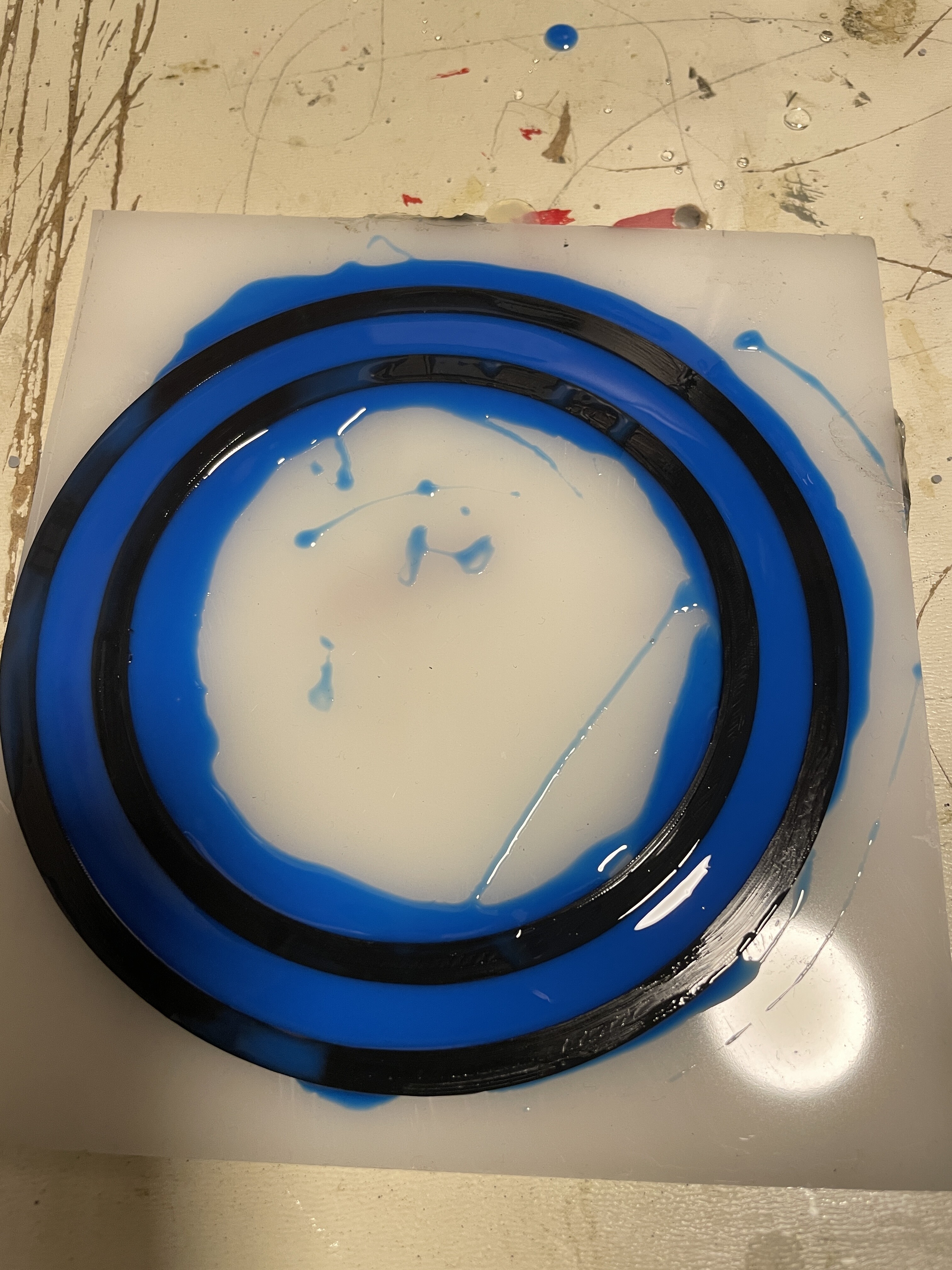
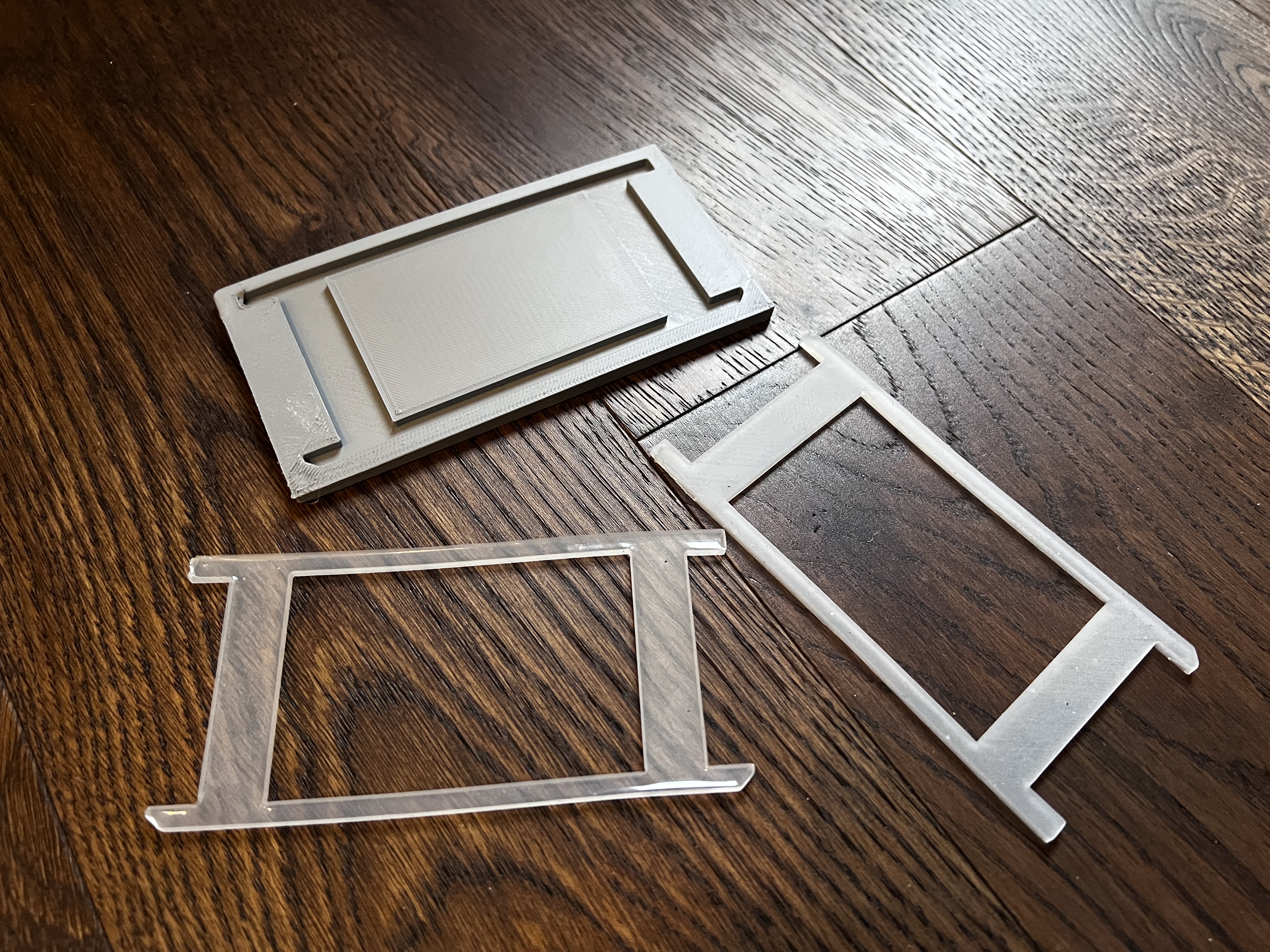
Just rounding out the thread I started. What ended up working for me was a silicone gasket made in a 3d printed mold. Fun discovery: “Ironing” turned out to be a fun practical feature for making the bottom of the mold nice a flat.
My particular design incorporated a groove on the mating surfaces. The intent was to experiment with various sealing options where that could be useful. Such as an o-ring or custom shaped gaskets that would key into that slot. In the end, instead of filling it with epoxy and omitting that slot I actually filled it with gasket maker. Whether that contributes positively as a “sealing bead” (learned lots of terms about seals and gaskets working out this problem) is uncertain…but maybe. I kinda like the idea that it might but have no way of testing.
Anyhow, thanks everyone for the thoughts. Such a great community over the years! Now time on the water before building additional battery packs and committing to this form factor
Ugh. Still struggling. Flat surfaces are great. Also found a good use for those channels: filling them with strands of carbon fiber. Made for very nice reinforcement and hard surfaces for the silicone gasket to push against.
Next up is: maybe combining the battery with the nose cone as a way to eliminate one variable. That way the only path of ingress would be where the gasket meets the body. Anyone else found this path as a worthy one?
Yeah. It’s one of many approaches. It’s the one that passed the “sitting at the bottom of a tub for a few hours” test most reliably and repeatably. Unfortunately in actual use, the pressure from velocity causes it to fail somewhere where this relatively light static pressure test doesn’t reveal.