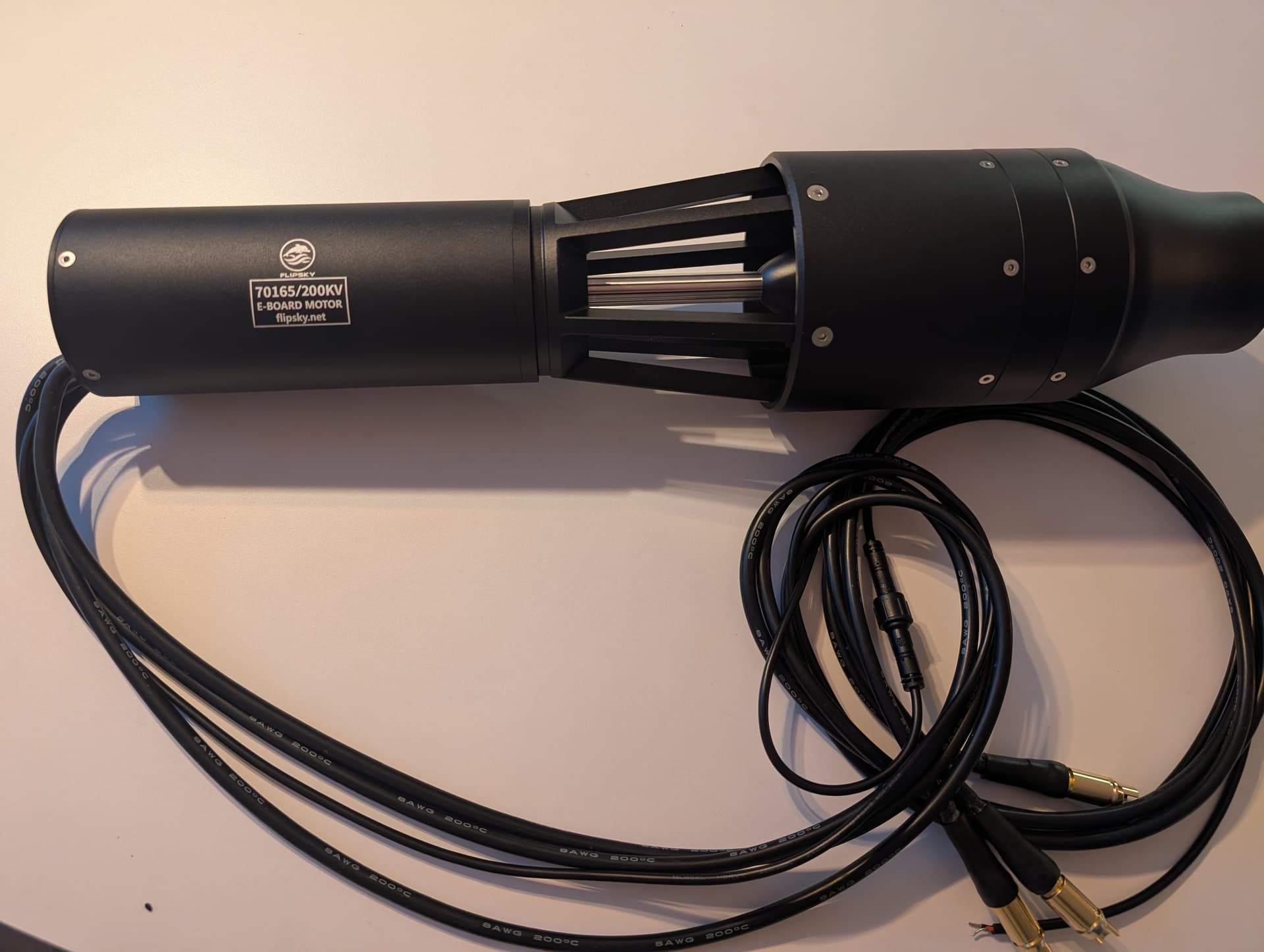
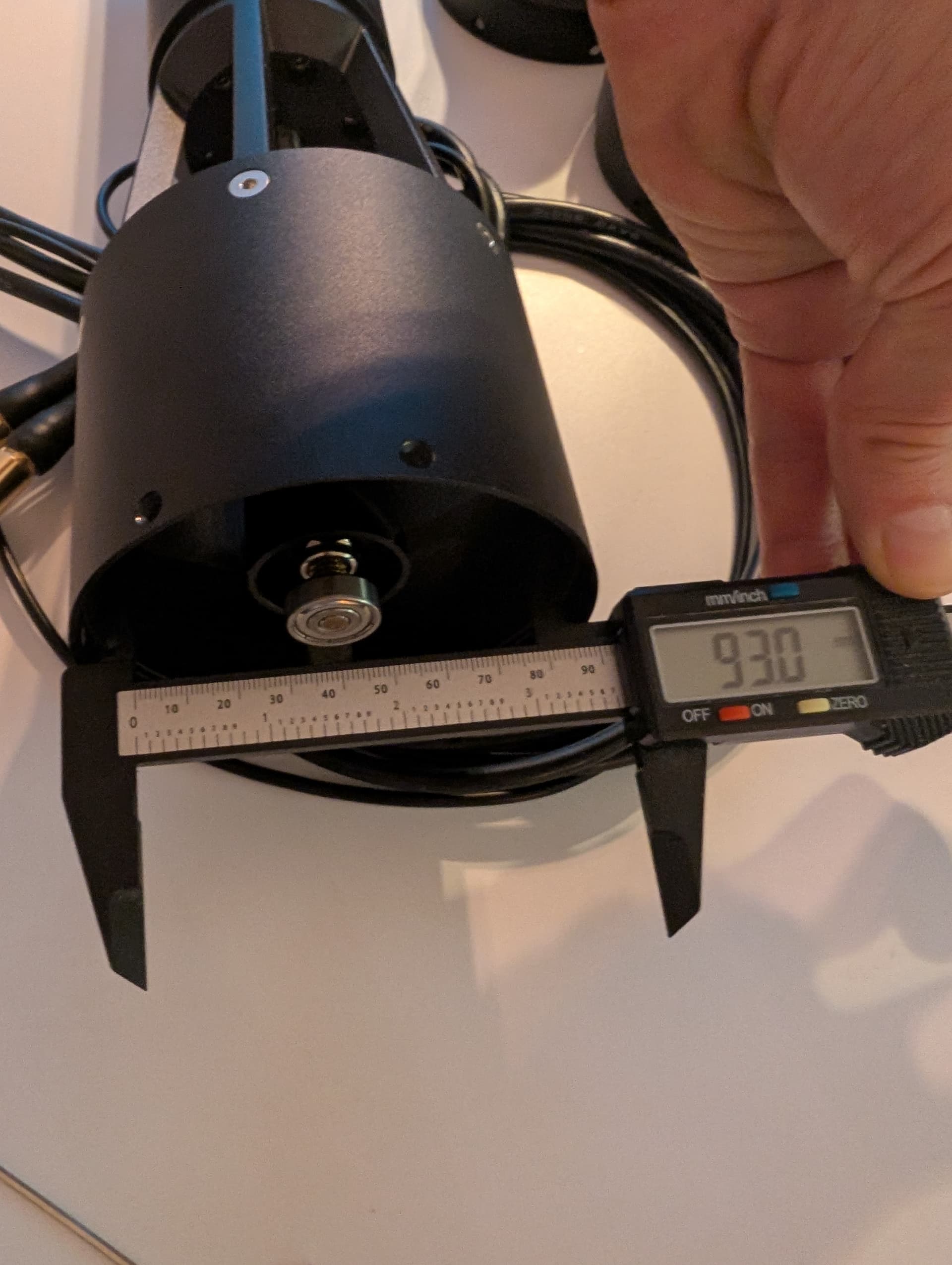
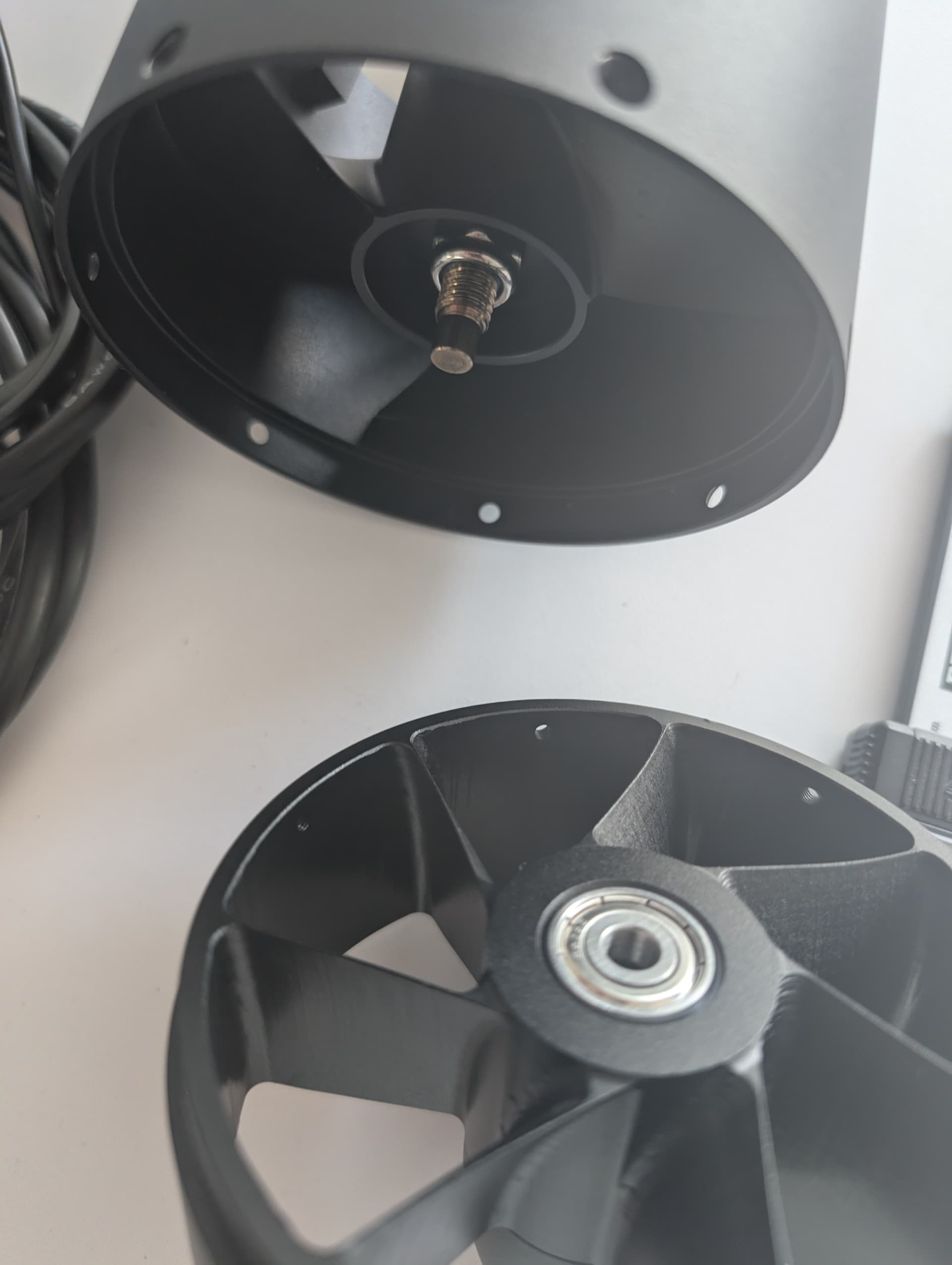
As far as I know you are first here to try this so quite interested in what you discover.
With a Flite prop attached I never get close to “maximum” throttle to launch and even less to foil as an initial drag is vastly reduced so fairly confident this will work for you.
I do wonder what the ride experience will be like. Based on the photos the “output” of the jet will be quite a bit farther back than a prop would be. I’m thinking it might affect the ride in the same way a stabilizer would, perhaps even replacing the role of the stab in pitch control.
I can confirm a jet rides more stable, I had the opportunity to test the audi etron, it is very stable and with a small foil it is easy get to 40-45km/h.
The order at Flipsky is placed now. I let you know as soon as I get it delivered!
It will be very interesting do see how more stable the ride with the jet is. I am not interested in going very fast. But stability is nice. Especially since I am planning on letting the kids try it.
But the point of it being too stable that the board will glide long after I fall of, is off course very bad! My current setup with a 65161 and flite prop will stopp almost instantly since the board pitch up as soon as I fall off.
I had a look at the Audi etron jet now. It has a much smaller impeller and slimmer housing. The flipsky jet will have much more drag with the quite bulky housing. I dont think it will glide very long.
My dad did a true jet build (RPM’s around 12.000) , and I’ve tested it.
It defiantly feels different, and it needs more initial input for turning.
Also starting takes a little bit longer compared to a prop as it needs to build pressure to get going.
Now Flipsky released the third version om the jet (with max power 19500W):
But it is probably way to big and powerfull for e-foil.
It looks like the same housing and impeller for all of them. The only difference is the motor as it seams om the pictures.
Thanks for the update.
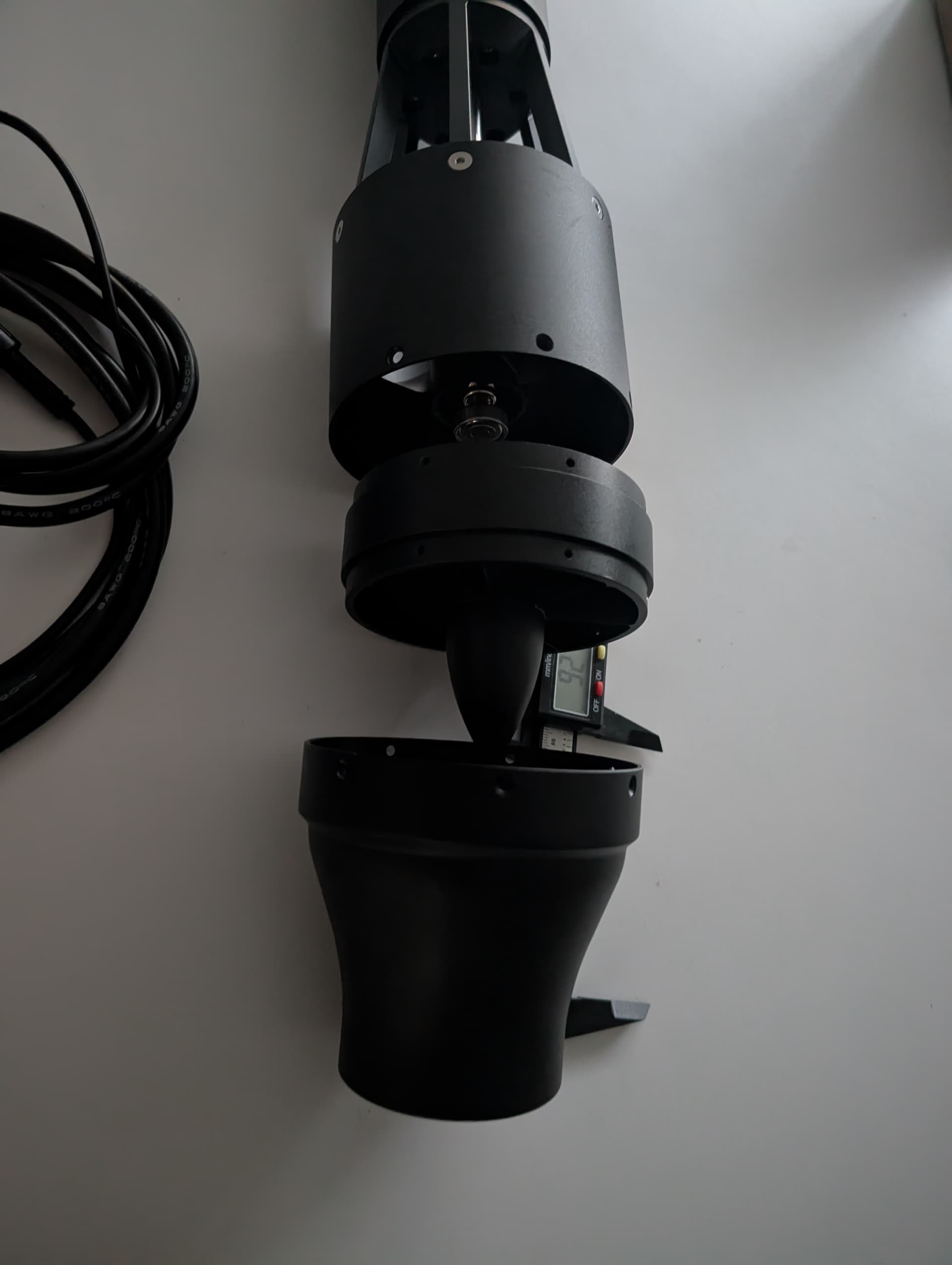
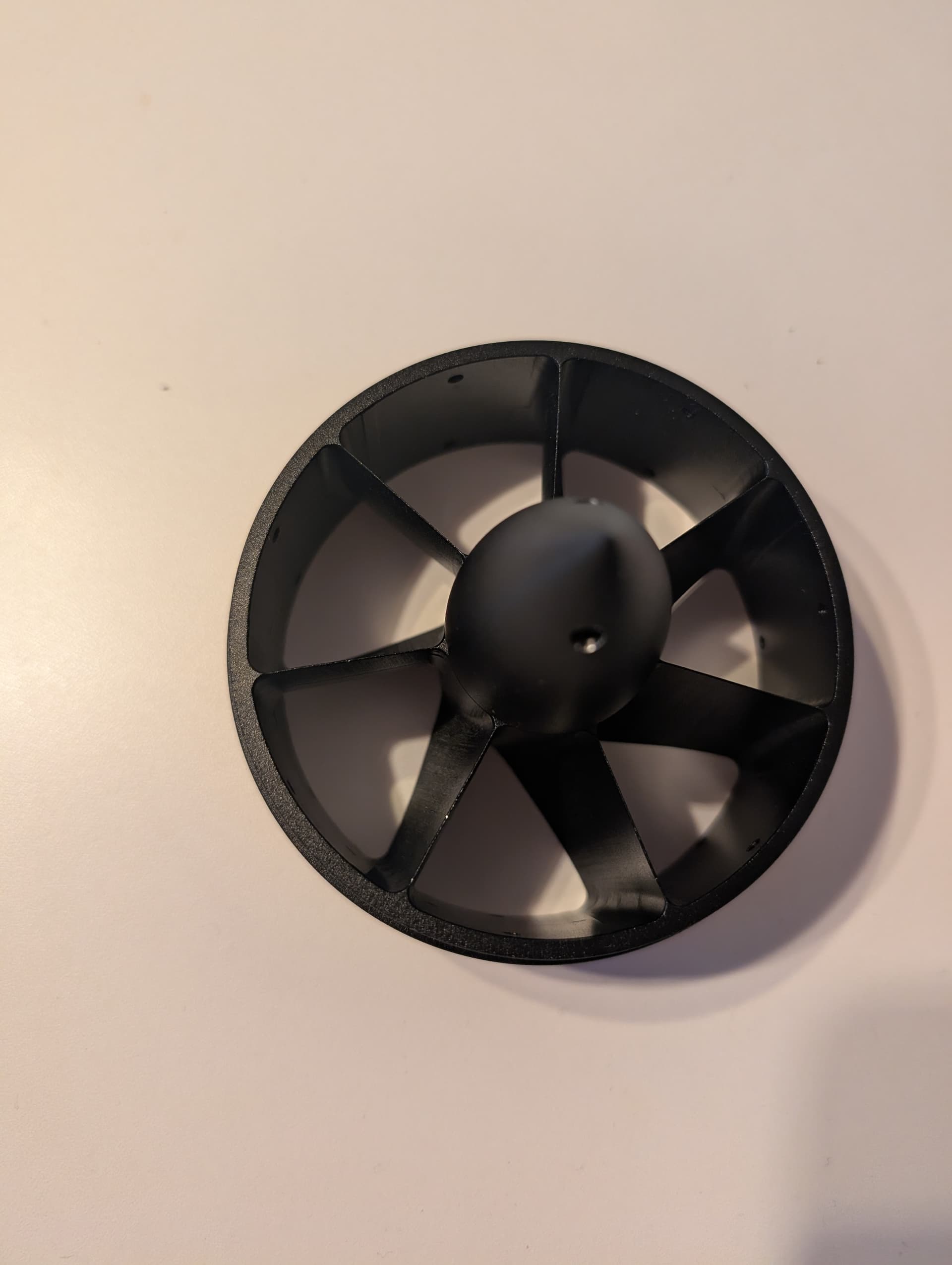
It would be great to see the jet part with the duct removed and if possible how close the blades of the “turbine” are to the inside of the duct
Thanks for posting the photos. Just had a quick look on my phone screen but think I should look at them on my computer monitor before I ask questions.
If you are willing I would like to see photos about how the jet part attaches to the round threaded shaft and the body of the motor. My assumption it just uses a self locking nut like a prop would need on the shaft and some small screws in the motor body holes where a duct or filler piece would be attached but it would be interesting to see the structure of the jet part on that end.
Hoping this works well for you and I’m sure you are excited about getting out to try it.
I have now taken a detailed look at your photos and can see the self locking nut on the threaded shaft so no need to answer my first post about that.
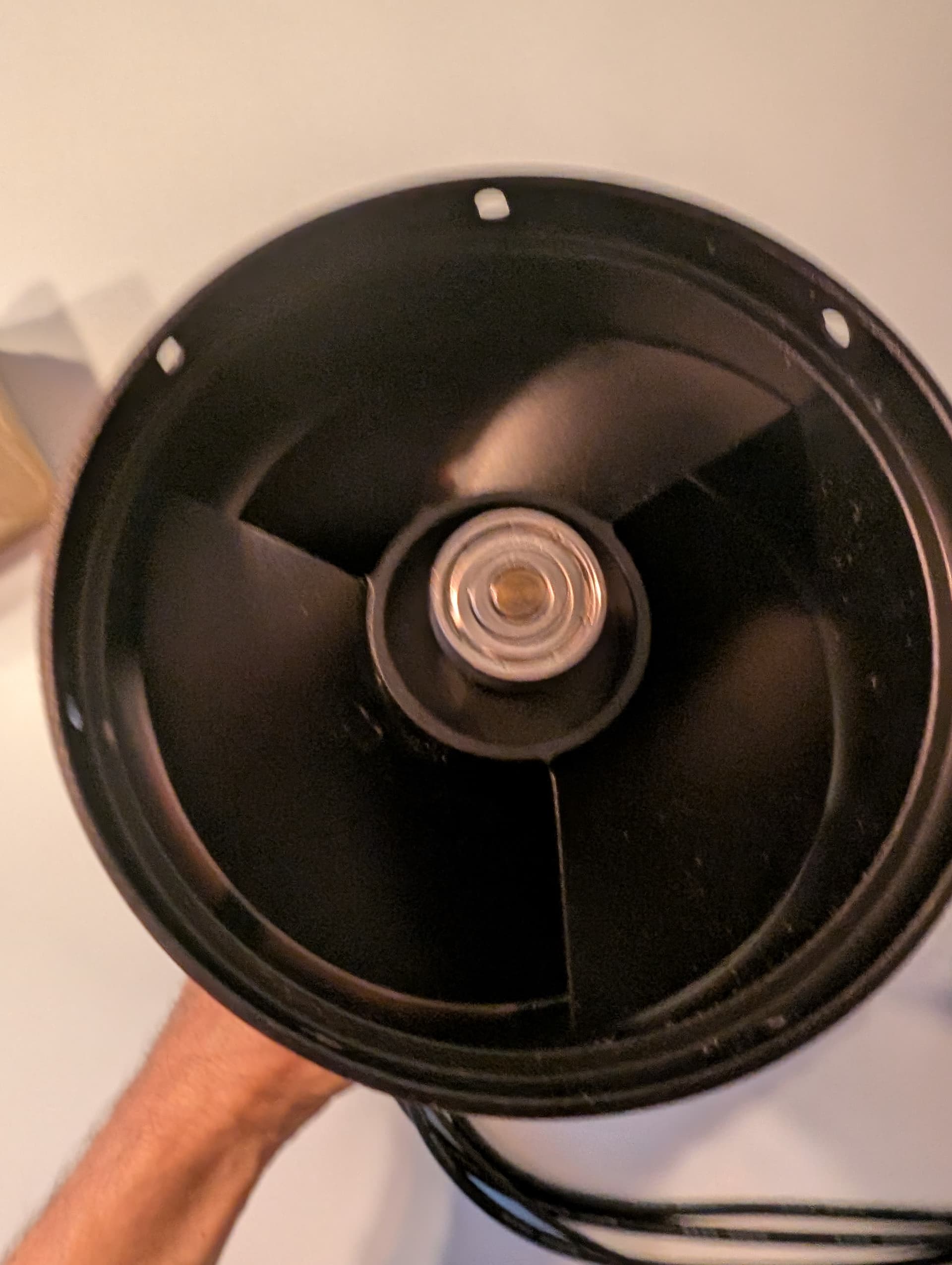
The bearing part had me a bit puzzled but I think its purpose is to allow the part with the vanes and nose cone to seat close to the “impeller”. The bearing fits into that piece and allows the end of the threaded shaft to still spin. I can foresee that bearing possibly being a maintenance item.
Can you tell how that bearing attaches to the end of the shaft?
The impeller seems to fit close to the inside of the housing - which is good - Can you post other photos of it please?
Yes it looks like the motor-shaft i much longer than normal (not possible to attach the jet to a normal flipsky motor) and is holding the impeller with a lock-nut. The shaft-end is machined to hold the bearing.
The clearance between the impeller and the housing is minimal. Less than 1mm. I guess the function of the bearing is to make sure the impeller stay in the center of the housing.
Thank you for the additional photos. I was hoping that the jet part would allow me to use it on my existing motor (wires internal in mast) setup so I could choose to ride Flite prop or jet but I now see that’s not possible.
It might be possible however to make a new mast setup with the jet “motor” and then swap back and forth with a Flite prop on the modified shaft although it would likely be faster and simpler for me to swap the entire mast setup back and forth as I ride a Fliteboard with a VESC mounted on the top of a Gong mast.
Good call on the bearing purpose as a “centering” device. That would be good to have if you pulled in weeds that jammed the impeller.
Can you confirm that all the jet part are aluminum?
Yes, everything is aluminium.
I guess it would be possible to make some kind of coupling to attach a shaft extension to an existing motor. But it will be allot of work and it has to be very strong and not allow any play. Otherwise the impeller will touch the walls of the housing.